

















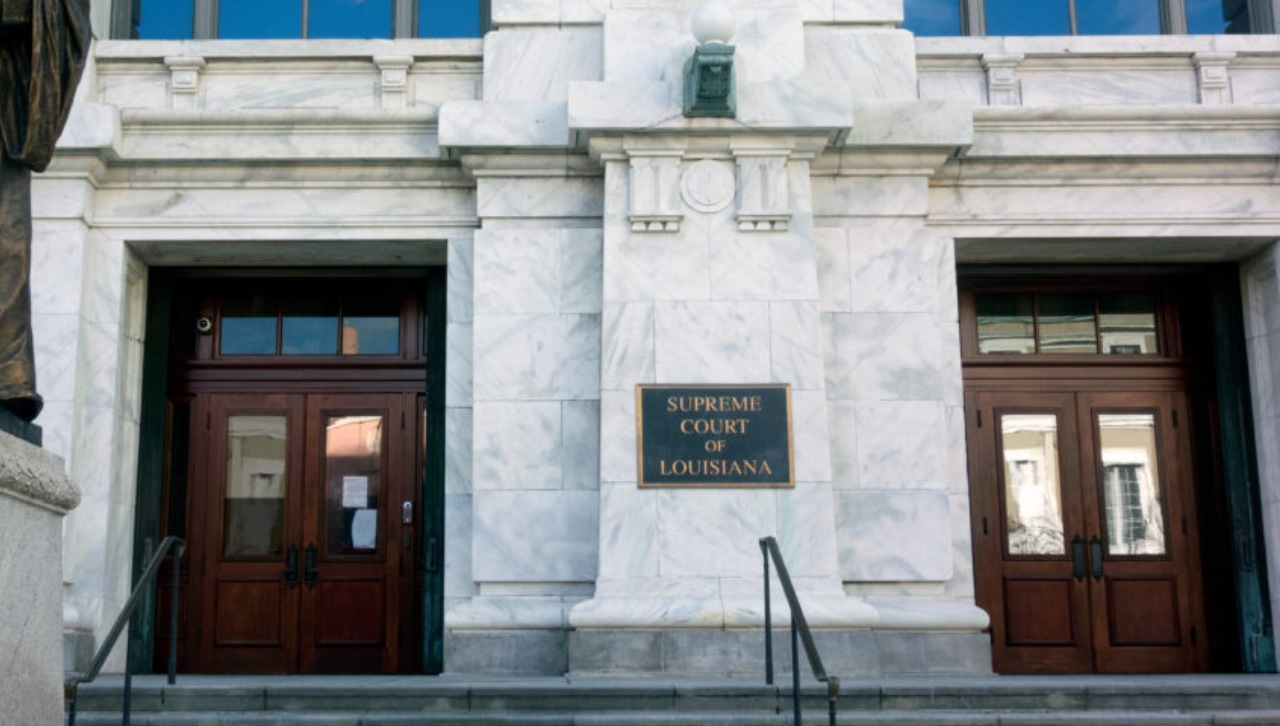
Three residents of Louisiana have filed a class action lawsuit against FanDuel and DraftKings, alleging the operators utilize “predatory” data-tracking systems to target compulsive gamblers and are intentionally designed to exploit addictive behavior.
“Those who irrationally keep betting despite the losses – often because of a gambling addiction – will eventually ‘crap out,’ meaning that the sportsbook will lose the customer,” the lawsuit states.
“Thus, DraftKings’ and FanDuel’s business model requires them to find ways to keep customers betting even as they lose money and to recruit new bettors to their platforms. Both companies manage to keep the customers flowing through carefully designed promotions, the use of (AI) and user interfaces that make it easy to start gambling and hard to stop.”
Adrian Payton, Toi Smith and Yolanda Perkins filed the class action lawsuit on behalf of all Louisiana residents who have “created an account, deposited funds and utilized the mobile sports wagering applications.”
The lawsuit also names Amelia Belle Casino and Bally’s Baton Rouge as defendants, which partner with the operators to help power both platforms through their respective state gaming licenses.
Each plaintiff is requesting FanDuel and DraftKings refund “all net capital” – or total deposits minus withdrawn winnings – and provide relief for compensatory damages and mental health care costs.
Payton, Smith and Perkins have each wagered more than $20,000 on either one or both of FanDuel and DraftKings, and claim they have suffered “severe strain and disruption to familial and domestic relationships caused by the products’ addictive nature.”
The class action lawsuit also follows allegations made against DraftKings by The New York Times, which claimed the operator uses AI to target losing bettors after reportedly obtaining internal documents.
According to unnamed former employees, DraftKings utilizes data science to target losing gamblers with promotions, while efforts to identify problem gamblers were either stalled or dropped entirely.
On September 18, the Tunica-Biloxi Tribe of Louisiana unveiled plans to launch the first-ever Tribal prediction market application in partnership with Kalshi, following the issuance of a no-action letter from the Commodity Futures Trading Commission.
The Louisiana Tribe intends to establish a new subdivision – SaltTrade Derivatives – which will focus on providing software for trading event contracts offered by Kalshi, although the application “may branch out into other offerings as opportunities arise.”
The Ringer Founder Bill Simmons was placed under review by the Massachusetts Gaming Commission in September after admitting to proxy betting on his FanDuel account