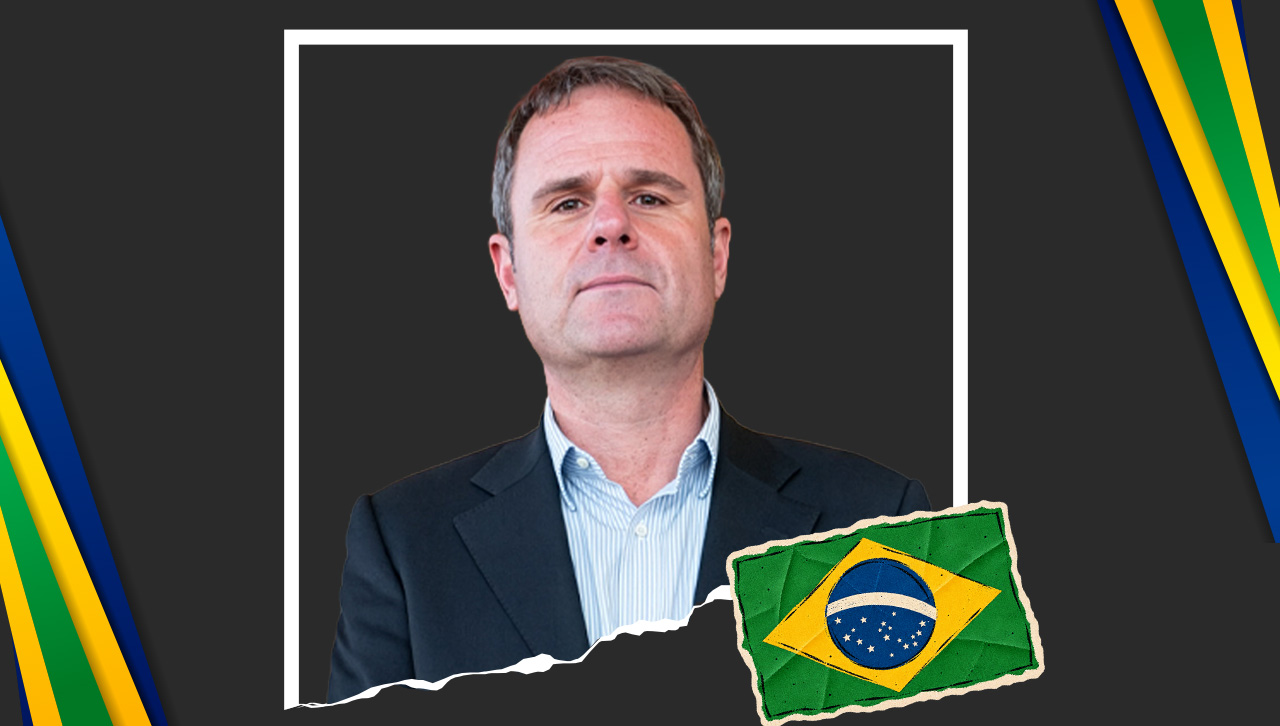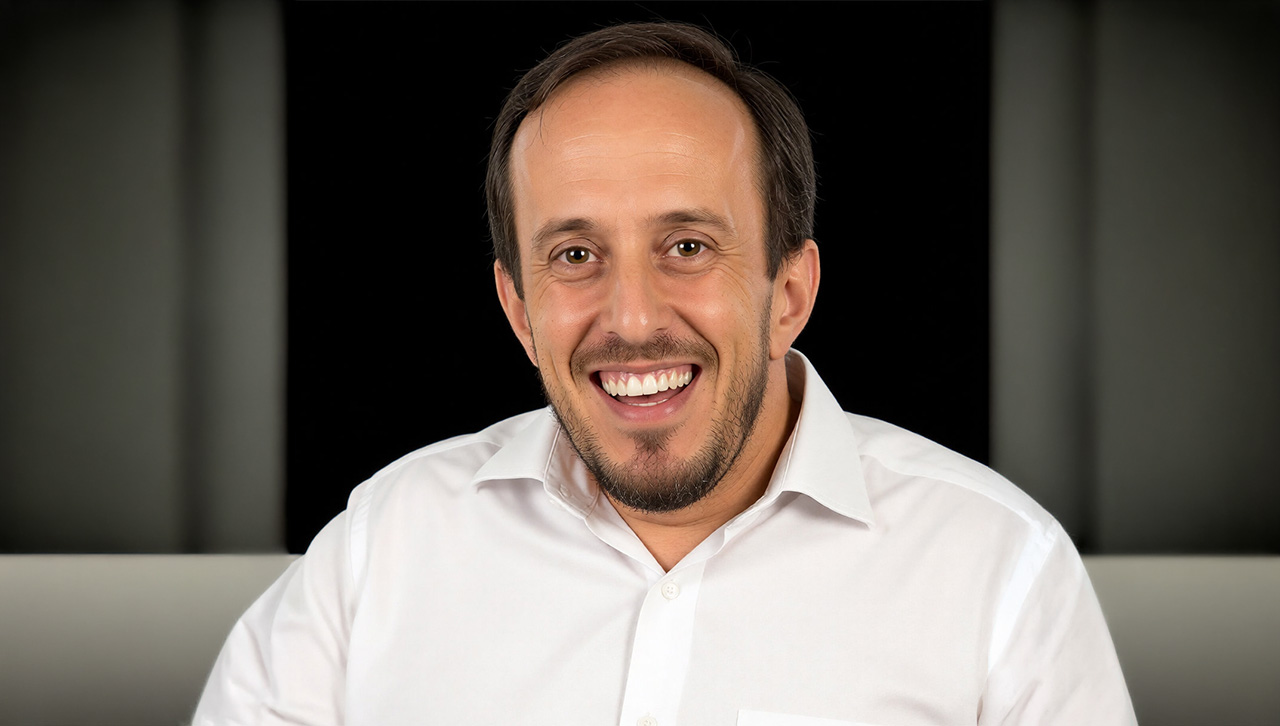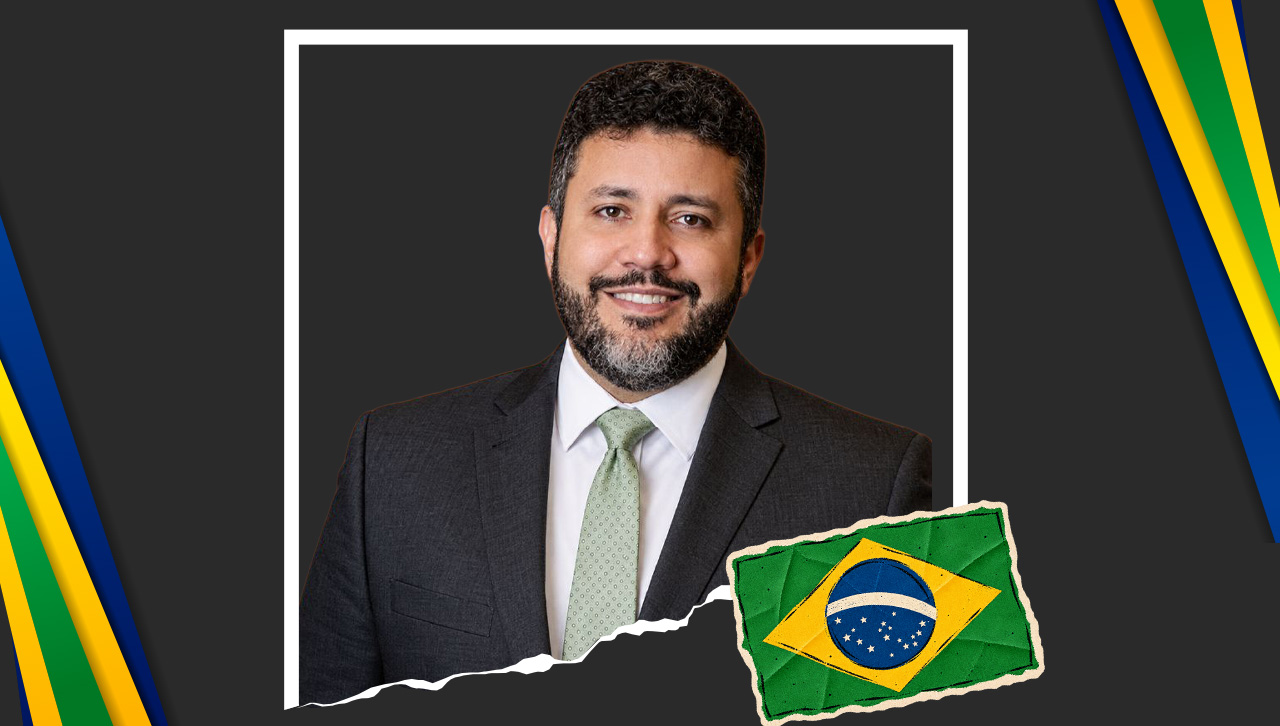
Luiz, thanks for joining us! At your SBC Summit panel in Lisbon, there was discussion about what the Government has done wrong; but you echoed my thoughts that the industry must also take its share of the blame here. Where, specifically, did the industry go wrong?
The industry allowed its commercial presence to grow much faster than public trust. Betting became impossible to avoid: on football shirts, in broadcasts, across social media and through influencers. Too much of that communication encouraged people to place another bet; too little explained the risks or showed what a regulated operator does to protect a customer. The problems did not begin with licensing. Brazil had years of rapid growth before the regulated market opened, and some of the habits formed then survived the transition.
Licensed operators are not all alike, and many invested seriously in compliance. But the industry as a whole was slow to confront marketing excesses, questionable affiliates and the perception that it profited from people who could least afford to lose. The Government’s response is disproportionate. We still have to be honest about why that response found a receptive audience.
You said it would be "childish" to only blame President Lula. Where does the industry go from here, if it genuinely is able to self-assess?
It starts by listening to the criticism rather than treating every concern about gambling harm as an attack on the sector. We should ask which advertising practices we would defend in front of a family struggling with debt, and which we would stop even if the law technically allowed them. Then operators need commitments that can be checked: tighter control of affiliates and influencers, clearer limits on marketing, earlier intervention when a customer shows signs of harm and independent scrutiny of player protection measures. They should publish meaningful results and support action against licensed companies that fall short. An industry asking the public to trust regulation has to demonstrate that regulation changes behavior.
Do you think our industry will self-assess, or is this cycle likely to repeat itself in Brazil and across other markets?
Some companies will. I am less certain that the industry will do so collectively. When a market reopens, the pressure to recover lost revenue will be enormous. If every operator responds by spending more on customer acquisition and waiting for someone else to make the first concession, we will recreate the conditions for another backlash. This is a lesson beyond Brazil. A license establishes the legal right to operate; it does not confer lasting public acceptance. That has to be earned through conduct people can see and through credible evidence that vulnerable customers are being protected.
The longer-term priority is to rebuild the trust that neither the Government nor the industry can take for granted
In terms of the here and now, what advice would you give to licensees impacted by the ban?
Comply carefully with the obligations that remain in force, particularly the return of customer funds, regulatory reporting and preservation of records. Review payment flows, website notices and contracts so that an avoidable compliance failure does not weaken a legitimate legal challenge. At the same time, preserve the evidence. Each operator should assemble its authorization, proof of the license fee, investment records, employment and supplier commitments, sponsorship agreements and the actual costs of shutting down.
Legal action should have a precise objective: immediate relief against an unworkable deadline, preservation of the authorization or compensation if the closure stands. Those claims require different evidence and may have different prospects. Operators should also plan for continued closure while the courts and Congress deliberate.
It's a time-sensitive question, but do you believe Congress will pass the ban if President Lula is re-elected?
I would not treat Lula’s re-election as a guarantee that Congress will approve the ban in its present form. It would strengthen the Government’s political case for keeping it, but members of Congress will also have to confront its effects on jobs, tax revenue, football, existing licenses and the illegal market. An amended measure is a real possibility. Congress could retain a regulated market under tougher conditions, distinguish sports betting from online casino games or extend the transition. I cannot responsibly assign odds today. The presidential result matters, but Congress makes its own decision, and a court ruling could change the position before that decision is taken.
The industry is pinning some hope on Senator Bolsonaro (and he did triumph in round one). If he is to win the Presidential Election, do you see him overturning or amending the ban?
His criticism of the ban makes a change in policy more plausible, but operators should be careful about treating an election result as a reopening date. He has not presented a sufficiently detailed proposal to establish what he would permit, under what conditions, or how existing authorisations would be treated. There is also a timing problem. The second round is on 25 October, the date on which the MP says the authorizations end.
A president-elect cannot change the law before taking office in January. Congress or the courts would have to act in the meantime. If Bolsonaro wins, I would expect stronger political support for revisiting the ban, potentially through an amended measure that treats sports betting and online games differently. I would not promise the restoration of the previous regime.
We should ask which advertising practices we would defend in front of a family struggling with debt, and which we would stop even if the law technically allowed them
How do you assess the chances of Betano and any other operators that pursue legal action against the ban?
I see serious legal grounds, particularly the use of an emergency measure to dismantle a recently licensed market, the very short transition and the attempt to terminate authorizations without refunding any part of the license fee or allowing compensation. An operator with detailed evidence of its investment and the immediate harm caused by closure can put those issues before a court in concrete terms. But the remedy matters. A court may be more willing to prevent premature blocking or allow a workable transition than to guarantee that an operator can trade until the original end of its five-year authorization.
Finally, how do you see the next few months playing out during such a chaotic time for the Brazilian market? Whether the ban is implemented fully, amended or overturned, it's still going to be such an unpredictable period, isn't it?
Yes. The election, the approaching termination of authorizations, individual court cases, the proceedings before the Supreme Court and the congressional debate are moving on different timelines. None can safely be treated as the final answer to the others. Even a favorable ruling or a change in Congress would not simply turn the market back on overnight. Operators would need clarity on the status of their authorizations, customer accounts, payments, employees and suspended contracts.
Some businesses may be unable to recover from a prolonged interruption. I expect a contested transition and, if regulated operations return, a more demanding framework. The immediate priority is to protect customers and preserve a lawful route back to a supervised market. The longer-term priority is to rebuild the trust that neither the Government nor the industry can take for granted.
Stake Brasil was recently granted an injunction to allow continued activity in Brazil... but this was very quickly reversed