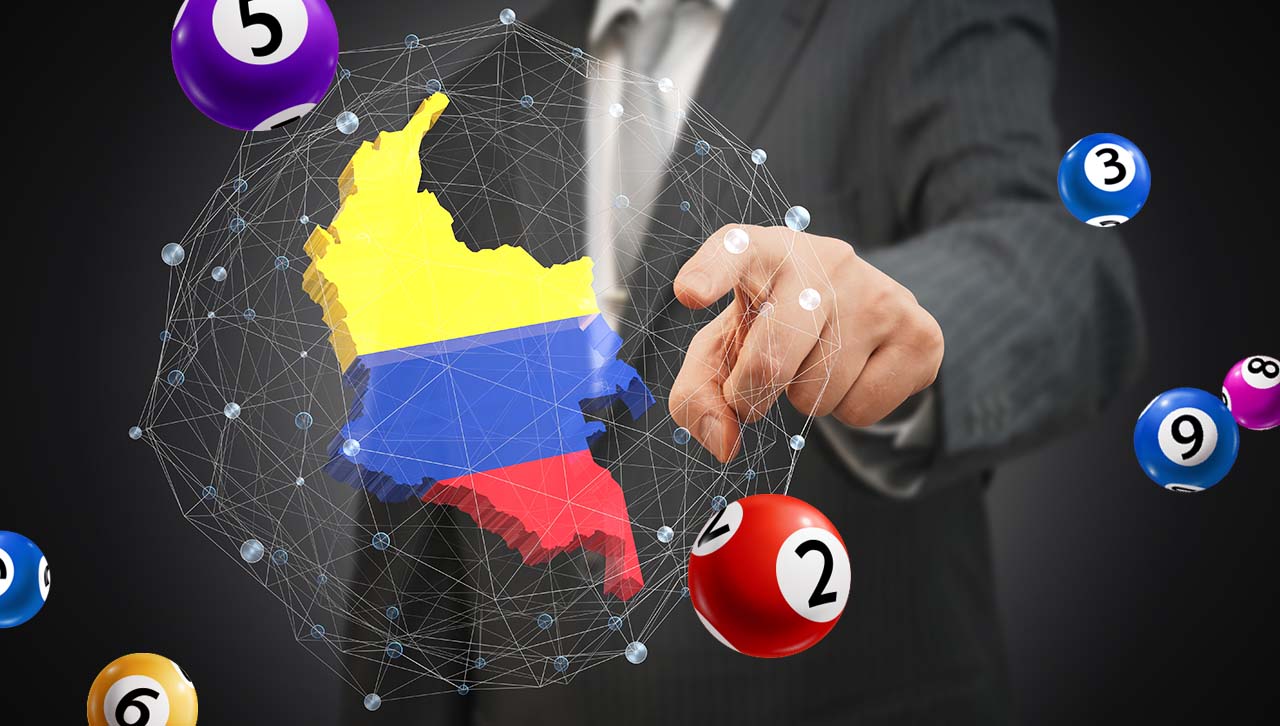
Regulated keno has gone live in Colombia, with expectations that it will contribute COP 500bn (USD$135.2m) to the healthcare system over the first five years of its operations.
Marco Emilio Hincapié, Coljuegos President, said: "We are making history in the industry: for the first time in a long time, Colombians will be able to have a new game that, in addition to contributing to health, will deliver millionaire prizes to bettors.
"We hope that, in the next five years, this game will reach sales of more than COP 2.3bn and consolidate itself as one of the favourites of Colombians.
"We invite bettors to play Keno only at authorized points. We have designed a safe game with an attractive prize plan, which has the full support of the State. By playing legally, we are contributing to the health of Colombians.”
Keno will launch through four operators and will be purchasable from more than 26,000 sales terminals across the country.
Tickets will be priced between COP 500 and COP 20,000 and will use blockchain technology to issue them, creating greater security for players and operators alike.
The timing between games will vary depending on which region the tickets were bought in, but will typically run every six to ten minutes.
The draws will also be broadcast online by the operators.
Keno operates in a similar way to the lottery or bingo, in that players choose ten numbers between one and 80.
The system will then choose 20 numbers through a random number generator and cross off how many matches there are between these numbers and the chosen numbers.
Elsewhere in Colombia, the Gambling Authority collaborated with the Military Police Battalion No. 2 of the National Army to seize 293 illegal gambling items as part of a raid in the city of Barranquilla.
Keno is an ancient Chinese game that, for many years, has been offered illegally in Colombia