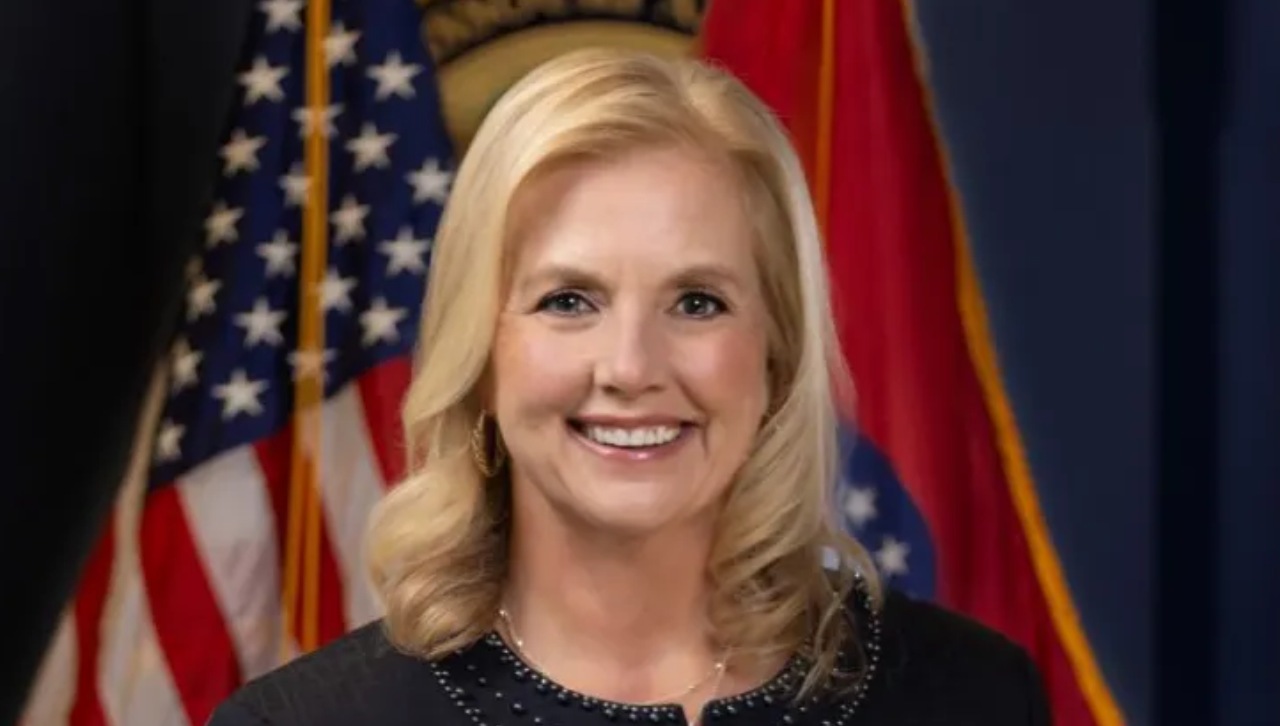
Kalshi Head of Corporate Development, Sara Slane, has highlighted the operator’s onboarding to IC360’s self-exclusion hub, describing the move as a step toward improved consumer protection frameworks.
The hub is designed to let users ban themselves from multiple participating prediction market platforms through one centralized process.
The initiative introduces a centralized system allowing users to exclude themselves across multiple participating prediction market platforms through a single process.
Slane said the development highlighted the value of a federally regulated exchange model in areas tied to consumer protections. In a LinkedIn post, she argued that state-by-state rules can create “a fragmented patchwork of rules” that do not align across jurisdictions.
She said one example involved self-exclusion, writing that firms were “often prohibited from sharing self-excluded customer information across state lines,” which in her view weakened protections for vulnerable individuals.
Slane added that conflicting state laws made it “virtually impossible to implement consistent, effective protections” and said the issue was structural rather than operational. She also said federal regulation could support “consistent, nationwide protections” regardless of where a customer was located.
IC360 Co-Founder & Co-CEO, Scott Sadin, said: “We’re excited to launch our centralized self-exclusion platform with Kalshi being the first to go live.”
Sadin added that IC360 planned to expand the hub with “additional tools” and said it was looking to bring more platforms into the network.
The announcement comes as prediction markets continue to draw scrutiny from state regulators and gaming stakeholders over whether event contracts linked to sports should be treated in the same way as sports wagering products.
In that environment, consumer protection measures such as self-exclusion have become part of a wider policy debate around how these platforms should be supervised and whether federal oversight can address gaps left by differing state rules.
The development follows recent regulatory pressure on Kalshi in Nevada, where a district court ruled that the operator’s sports event contracts were “indistinguishable” from sports wagering and ordered geofencing measures. That case added to broader debate over how prediction markets should be treated by state gaming authorities.
The self-exclusion hub is intended for multiple prediction market platforms, with Kalshi described as the first participant to complete full onboarding