























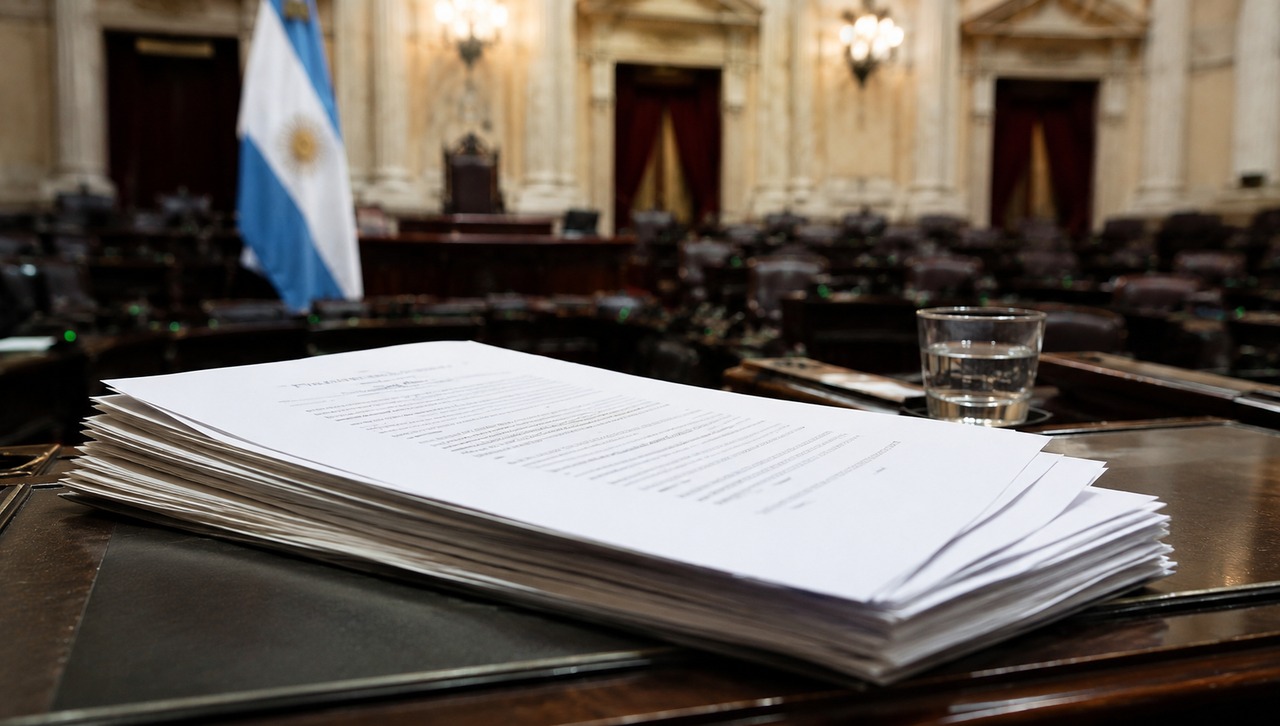
Argentina’s Government has introduced a new anti-gambling addiction bill that would, for the first time, explicitly bring cryptocurrency platforms and digital asset providers into the country’s gambling regulation framework.
The proposal, presented to Congress through the Ministry of Health, seeks to establish stricter controls on online betting, limit advertising and strengthen protections for vulnerable groups, particularly minors and young adults.
Under the project, banks, fintech companies, cryptocurrency exchanges and wallet providers would be prohibited from facilitating payments or financial services linked to betting operators without an official Argentine licence.
The bill also proposes prison sentences ranging from two to four years for individuals or companies providing essential financial, technological or digital asset services to unauthorized gambling platforms.
Authorities said the initiative would require coordinated enforcement between Argentina’s Central Bank (BCRA), National Securities Commission (CNV), telecommunications regulator ENACOM and NIC Argentina, which manages internet domains in the country.
The proposal specifically aims to block both technical access and financial flows connected to illegal operators, including transactions carried out through cryptocurrencies.
If approved, crypto exchanges operating in Argentina would be required to strengthen KYC procedures, transaction monitoring systems and due diligence controls to comply with the new obligations.
“The industry understands that, given the nature of virtual assets, excessive regulation or tax burdens could paradoxically generate more informality and migration toward foreign or deregulated exchanges,” the Argentinian Fintech Chamber stated earlier this year.
Earlier this year, Argentinian courts ordered the blocking of Polymarket, describing the platform as an unauthorized betting operator. Brazil has also moved against prediction market platforms.
Salta’s Chamber of Deputies recently approved a bill focused on preventing gambling addiction among minors in Argentina