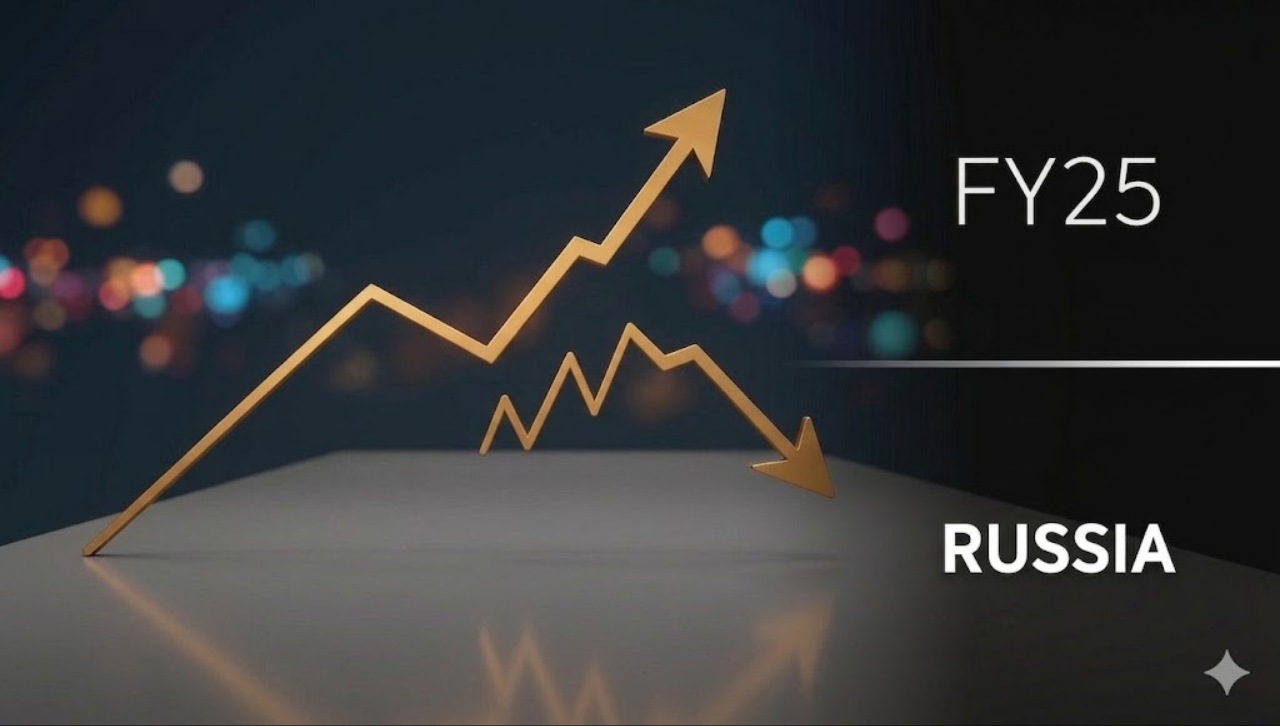
According to local Russian media, total land-based casino revenue reached RUB 34.1bn in 2025, up 15.2% year-on-year. Nevertheless, total profit earned by operators fell to RUB 4.59bn, a 17.1% decrease from 2024.
While tourist traffic to the gambling zones remains steady, casino expenses have risen. Last year 1.75 million people visited gambling zones, an increase from the 1.68 million the year before.
Attendance is increasing due to the growth of event tourism, particularly as gambling zones promote concerts, festivals and sporting events. Additionally, the development of new hotels, restaurants and concert venues is contributing to this trend.
These figures are reported by the Association of Entertainment Industry and Event Tourism (AIRIS).
Currently, four legal gambling zones operate in Russia: Krasnaya Polyana in Sochi, Sibirskaya Moneta in Altai, Yantarnaya in the Kaliningrad Region and Primorye in Primorsky Krai. There is a fifth zone under construction in Crimea. The creation of a sixth zone in Altai has been approved at the federal level and signed by President Putin.
Sochi and the Kaliningrad zones have seen their profits approximately halved, while other operators also reported declines. Only casinos in the Primorye gambling zone, benefiting from the influx of Chinese visitors since the introduction of the visa-free regime, are seeing profitability increase.
In Primorsky Krai, Chinese visitors currently account for 18% and could reach 25% by the end of the summer season, according to experts. This growth has also been supported by new flights between Vladivostok and Chinese cities over the past year.
Since the visa-free policy was introduced, passenger traffic between Russia and China has risen by 46%, according to Transport Minister Andrei Nikitin.
Sergey Romashkin, Vice President of the Association of Tour Operators of Russia, commented on the overall decline in casino profitability in other zones.
Romashkin stated: "In recent years, gambling zones have, for some reason, begun promoting themselves through concerts and other events; they're constantly buzzing. Due to the increase in non-gamblers, I think the number and amount of bets are declining."
He also noted that operators' expenses are rising, adding: "For example, regular advertising on search engine Yandex has become very expensive: now a tourist costs us 30-40% more than a year or two ago."
Furthermore, the decline in Russian consumption is affecting domestic tourism sales, notes Romashkin. The number of local guests hasn't decreased, but they are spending less on gambling.
Russia is set to introduce its first unified clinical guidelines for the diagnosis, treatment and prevention of gambling addiction