























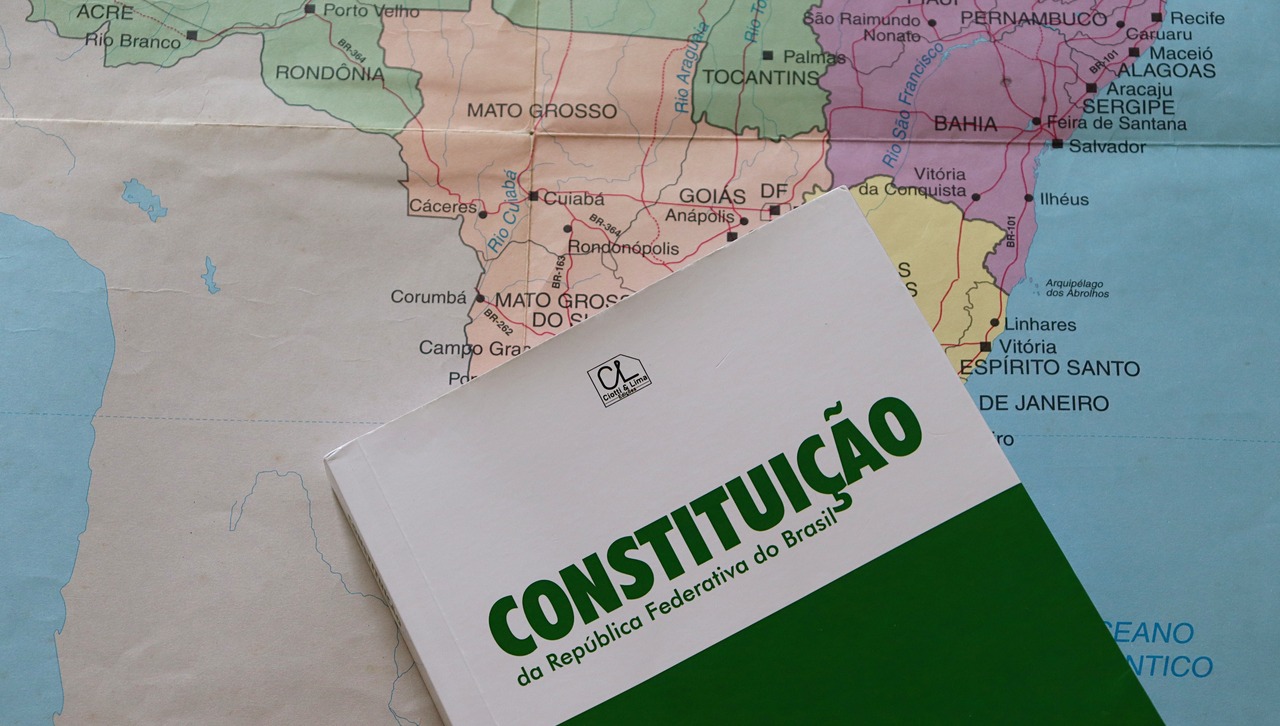
Brazil’s Supreme Federal Court (STF) has begun hearing a case that will determine whether the country’s longstanding criminal prohibition on games of chance remains compatible with the 1988 Constitution.
The proceedings concern Article 50 of the Law of Criminal Misdemeanors, which has prohibited the operation of games of chance in public or publicly accessible locations since 1941.
The underlying case involves a man convicted after three slot machines were found at his commercial establishment. The Public Prosecutor’s Office of Rio Grande do Sul appealed after the state court ruled that the prohibition had not been incorporated into Brazil’s current constitutional framework.
The STF heard oral arguments on Wednesday, August 5, before rapporteur Justice Luiz Fux began presenting his vote. The hearing is scheduled to resume on Thursday.
Article 50 also permits fines ranging from R$2,000 ($391) to R$200,000 for people found participating as bettors.
Fux said the central question concerned the legal classification of operating games of chance and the balance between individual rights and criminal enforcement.
Rio Grande do Sul prosecutor Flávia Raphael Mallmann defended the continued application of the prohibition, citing gambling-related debt and addiction risks.
Attorney General Paulo Gonet also argued that Article 50 remains necessary to penalize unauthorized gambling despite the introduction of a regulated online betting sector.
Brazil legalized fixed-odds sports betting through Law 13,756/2018 and established a wider framework covering online games under Law 14,790/2023. Operators must obtain prior authorization from the Ministry of Finance’s Secretariat of Prizes and Betting, which regulates, supervises and sanctions the licensed market.
That framework did not broadly legalize land-based casinos, slot machine venues or other games covered by the older prohibition. A ruling against Article 50 would therefore remove a major criminal enforcement provision without automatically creating licensing rules for those activities.
The judgment has general repercussion status, meaning the STF’s interpretation is expected to guide similar cases throughout Brazil. It could also affect proceedings in which illegal gambling is treated as an underlying offense for related financial crimes.
The hearing follows the STF’s earlier scheduling of Extraordinary Appeal RE 966.177, which had remained unresolved for almost a decade.
Brazil’s Ministry of Finance maintained an updated register of federally authorized fixed-odds betting operators as of July 2026