



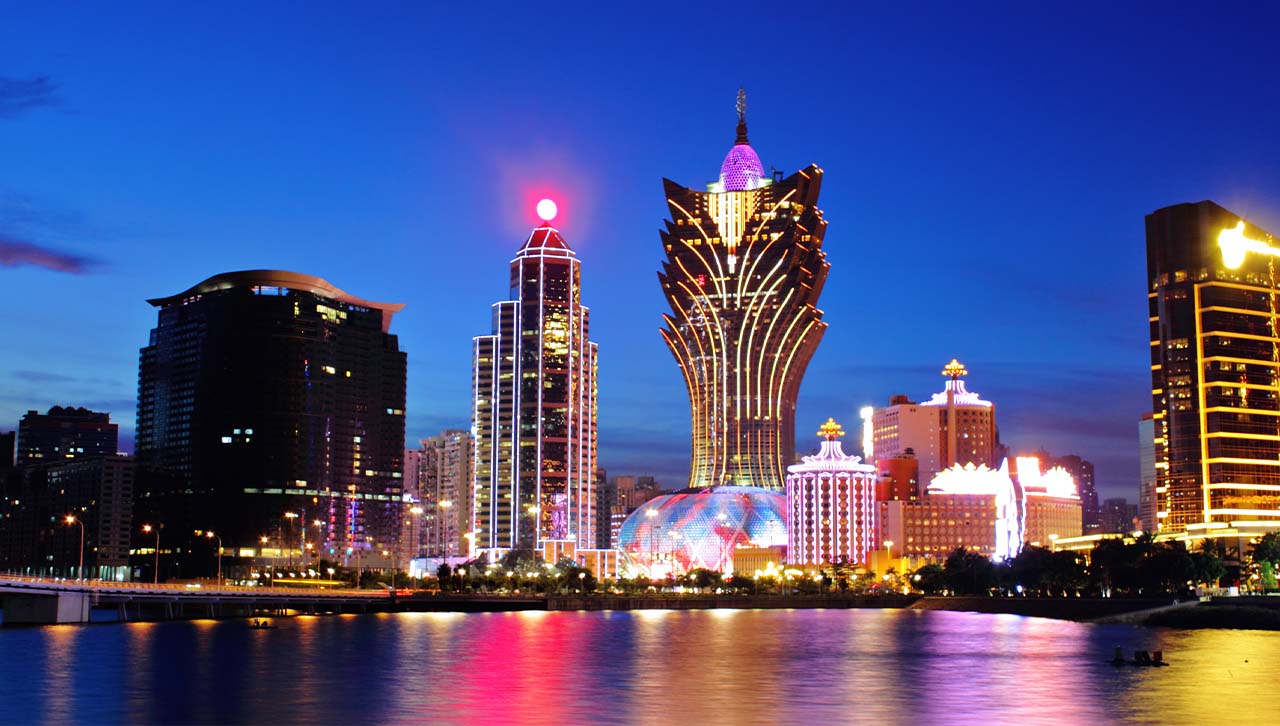
As Macau seeks to reposition itself as a business and innovation center, reducing its dependence on gaming, executives have revealed more about their long-term plans for the region.
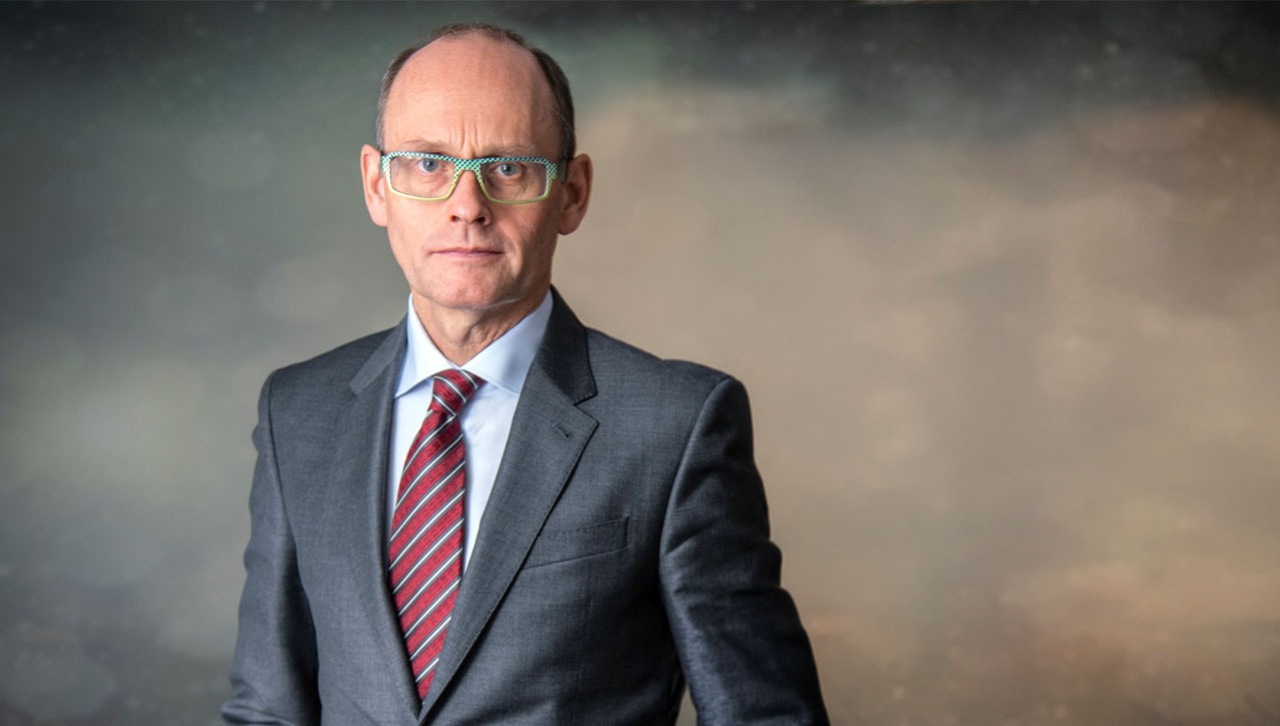
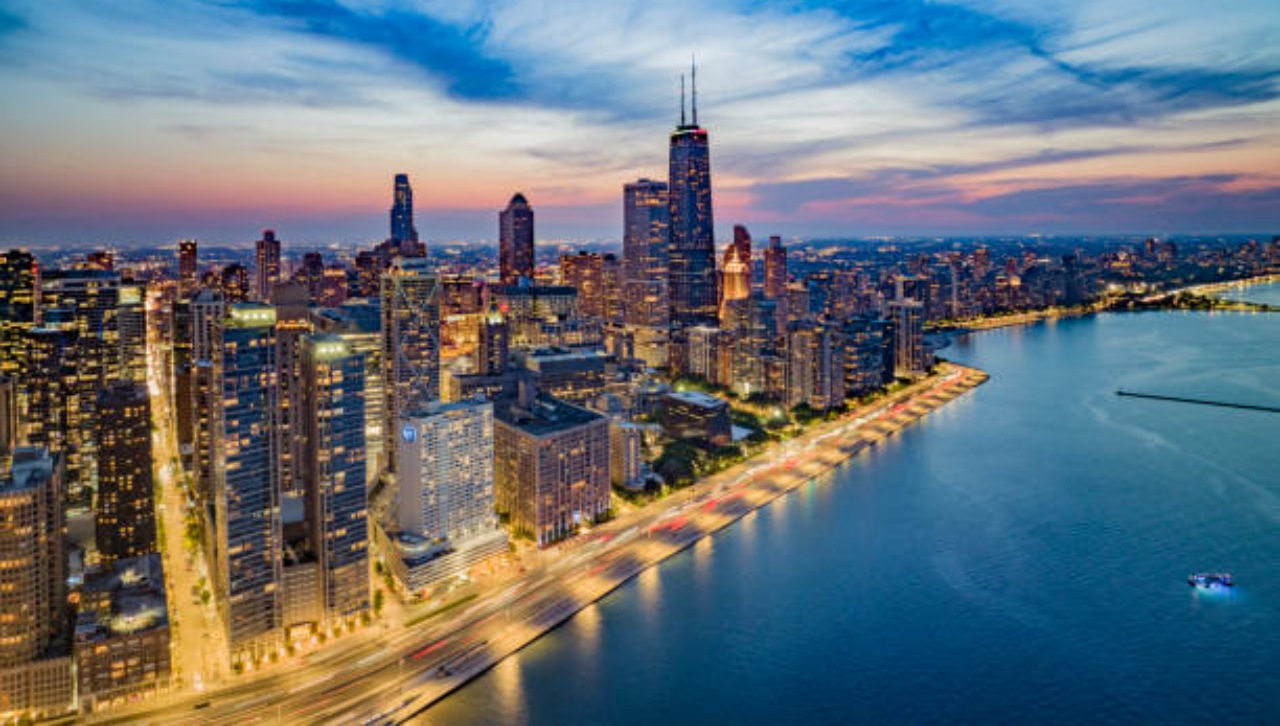
Speaking at the Fortune Leaders Forum, Alex Che Weng Keong, President of the Commerce and Investment Promotion Institute of the Macao SAR, said the city hopes to evolve from being known primarily as a tourism destination into a business hub. He pointed to Las Vegas as an example of a gaming market that has successfully expanded into conferences, exhibitions, and international commerce.
The strategy forms part of Macau's 2026-2030 five-year development plan, which allocates MOP130bn ($16.1bn) toward emerging industries. The Government aims for non-gaming sectors to contribute 60% of GDP by 2030, reducing the economy's reliance on casino revenues.
Che said Macau's status as a Special Administrative Region gives it regulatory flexibility that could help attract investment in emerging industries. He also highlighted the city's Portuguese legal heritage and links with Portuguese-speaking countries as advantages for international trade and investment.
A key element of the diversification strategy is the Guangdong-Macao In-Depth Cooperation Zone in Hengqin, a 106-square-kilometer island adjacent to Macau. Authorities see the project as an extension of Macau's economic footprint and an important component of the Greater Bay Area's development.
Che also suggested Macau could establish specialized industries within the regional economy, while other Greater Bay Area cities focus on manufacturing and technology. Areas such as traditional Chinese medicine, healthcare, data technology, and business services have been identified as potential growth sectors.
The latest comments reinforce Macau's broader "1+4" diversification strategy announced by the Government last month, which prioritizes integrated tourism alongside four non-gaming industries: traditional Chinese medicine and health, modern financial services, high technology, and conventions, exhibitions, commerce, culture, and sports.
The push comes as Macau continues to record steady growth in visitor arrivals while seeking to strengthen its economy beyond gaming through investment, regional cooperation, and business development.
Gaming currently contributes around 45% of Macau's GDP and approximately 80% of its tax revenue