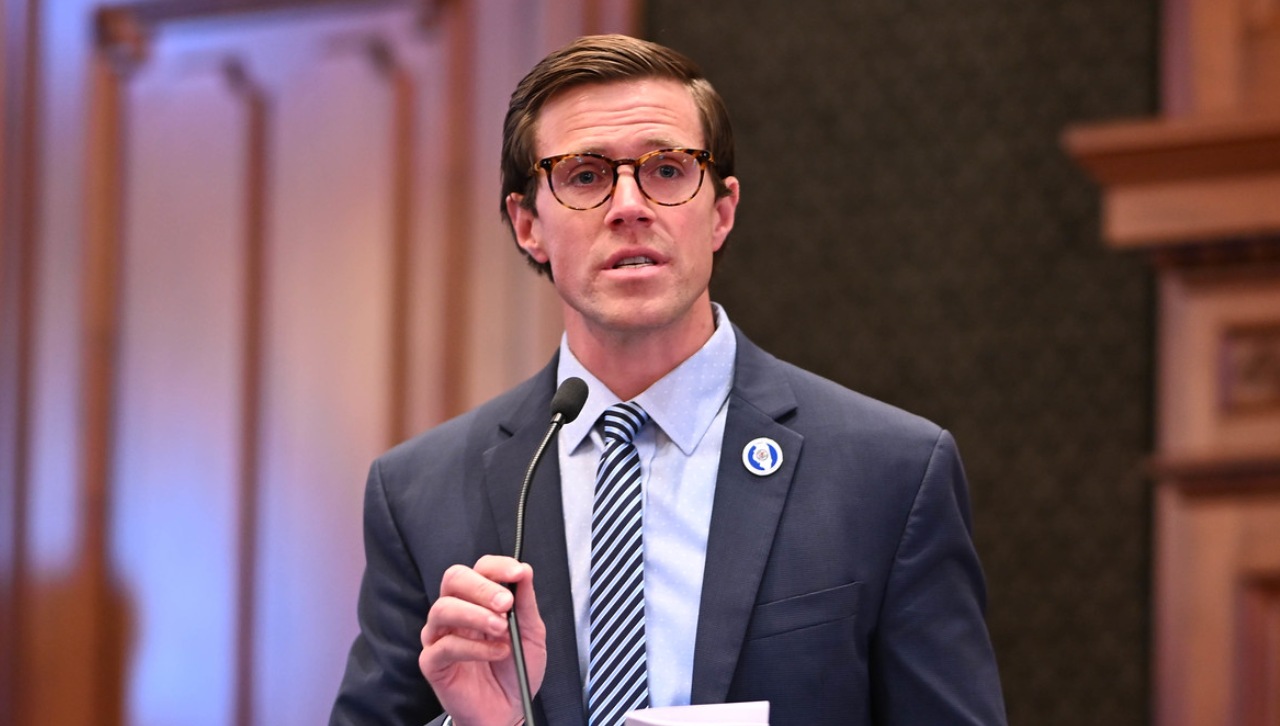
Illinois Representative Travis Weaver has introduced House Bill 5811 to eliminate the prediction market tax included within the state’s fiscal year 2027 budget and the “exchange wagers” terminology used to describe certain sports event contracts.
The current budget – signed by Governor JB Pritzker earlier in 2026 – amended Illinois’ betting laws to charge a 1.75% transaction tax on the first five million sports event contracts traded on a respective platform, rising to 3.5% thereafter.
Weaver stated HB 5811 will most likely be considered when Illinois’ 2027 legislative session begins in January, although state officials are set to conduct a veto assembly for pending legislation in the near future.
Following Pritzker’s authorization of the FY2027 budget, both Kalshi and the Commodity Futures Trading Commission challenged the decision, resulting in a federal lawsuit being filed in the US District Court for the Northern District of Illinois.
Illinois had previously argued operators like Kalshi offer products that are functionally equivalent to online sports betting, placing them in direct competition with licensed sportsbooks such as DraftKings and FanDuel while operating outside the state's regulatory framework.
Kalshi disputed the interpretation, maintaining that its products are federally regulated event contracts rather than gambling wagers.
In its complaint, the operator stated: "This action challenges the State of Illinois's clear violation of the Supremacy Clause with respect to the regulation of event contracts."
Kalshi’s emergency motion for injunction in Utah was denied by the 10th Circuit US Court of Appeals on September 8, opening the door for state regulators to begin enforcing anti-gambling laws against the prediction market.
The 10th Circuit US Court of Appeals stated Kalshi “has not shown the factors” required to be granted an emergency injunction, as the operator originally filed the motion on August 17 to seek federal intervention.
The Illinois Gaming Board released the state’s total casino activity for July 2026 on August 11, as the 17 operators which report to the regulator produced $192.7m, equating to an increase of 15%