Kalshi has filed for an emergency injunction requesting federal intervention to stop Utah from enforcing its state laws.
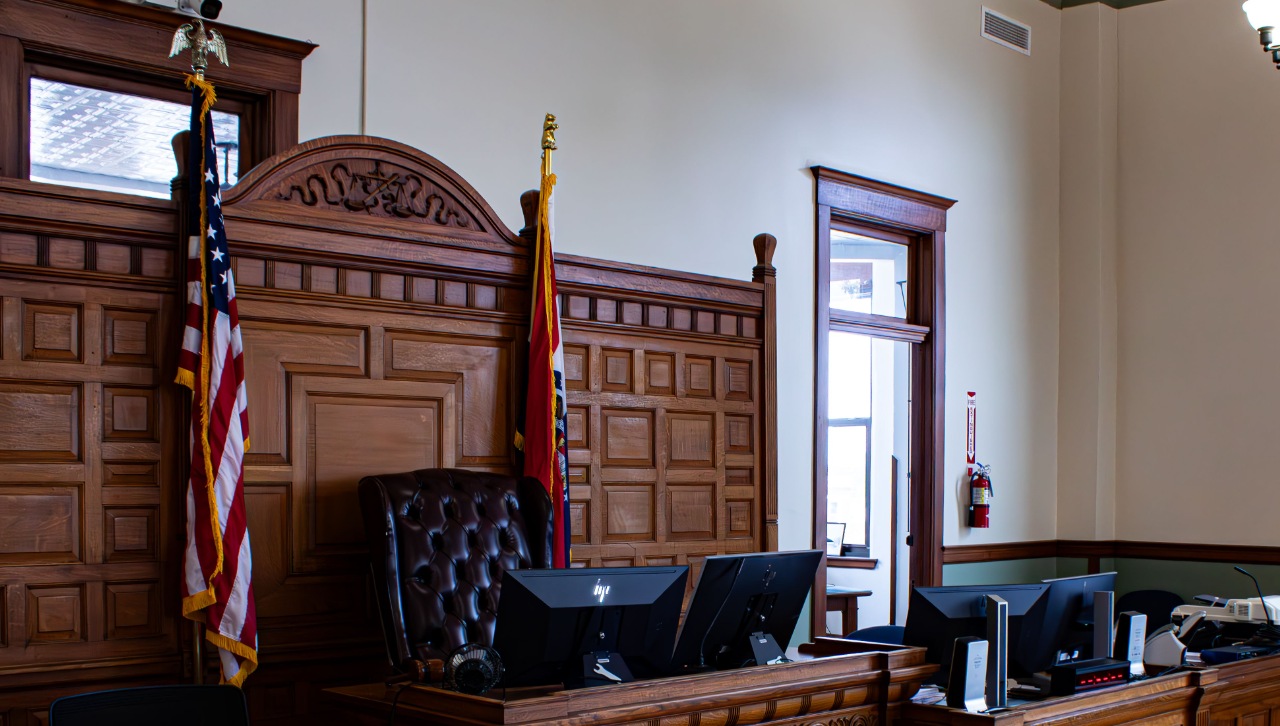
At the beginning of the month, Kalshi suffered a legal setback in Utah after a federal judge ruled that the state has the authority to enforce its gambling laws against prediction market operators. At the moment, the judge has not decided on the request for a new injunction.
Now the operator is seeking injunctive relief to prevent its personnel from facing any possible civil or criminal charges.
This legal action comes as Kalshi awaits a 10th Circuit ruling on whether state enforcement is preempted by the Commodity Exchange Act (CEA).
The filing notes that the operator and its personnel face criminal exposure because Defendants are unwilling to stay enforcement pending the resolution of Kalshi’s appeal.
Meanwhile, the Utah Attorney General’s office argues that Kalshi has to show “actual or significant risk of loss” that “cannot be remedied by money damages’’ to establish irreparable harm. The office notes the operator has not yet accomplished that.
AG office filing stated: “Kalshi’s self-inflicted potential future alleged harms do not outweigh the State’s interests in exercising its police power and enforcing generally applicable laws enacted by its people’s representatives. The balance of equities and public interest thus both favor the State.’’
Utah is a notable case for Kalshi because it is arguably the clearest example of an anti-gambling state in the US. Its strong religious ties make gambling legalization highly unlikely, meaning prediction markets operating there have always been in clear conflict with state rules.
However, a Utah exit would not hurt prediction markets significantly for the same reason. New York and its $36 billion court case will be far more important to Kalshi’s legal team.
Nevertheless, with the CFTC invoking emergency authority to keep Kalshi markets operating in New York recently, such strong backing from a federal body might mean that Kalshi could eventually operate long term in both.
Backlash against Kalshi and other prediction markets continues in the US beyond Utah. Last week, a Washington court ordered Kalshi to restrict its prediction markets. The order requires Kalshi to implement two phases of geofencing.
Furthermore, the Nevada Gaming Control Board is threatening to fine Kalshi $120,000 per day for failing to geo-fence local users by the August 12 deadline, as ordered by a court.
Last week, the Nevada Council of Problem Gambling announced it intends to sever ties soon with the National Council for Problem Gambling over the latter’s partnership with Kalshi.
Against this backdrop of rising regulatory scrutiny, Netflix released a short documentary on US prediction market operators. In its review of the episode, Global Gaming Insider highlights topics such as insider trading, problem gambling and journalist coercion.
Federal and state authorities remain divided over whether state gambling laws can apply to CFTC-regulated prediction markets