


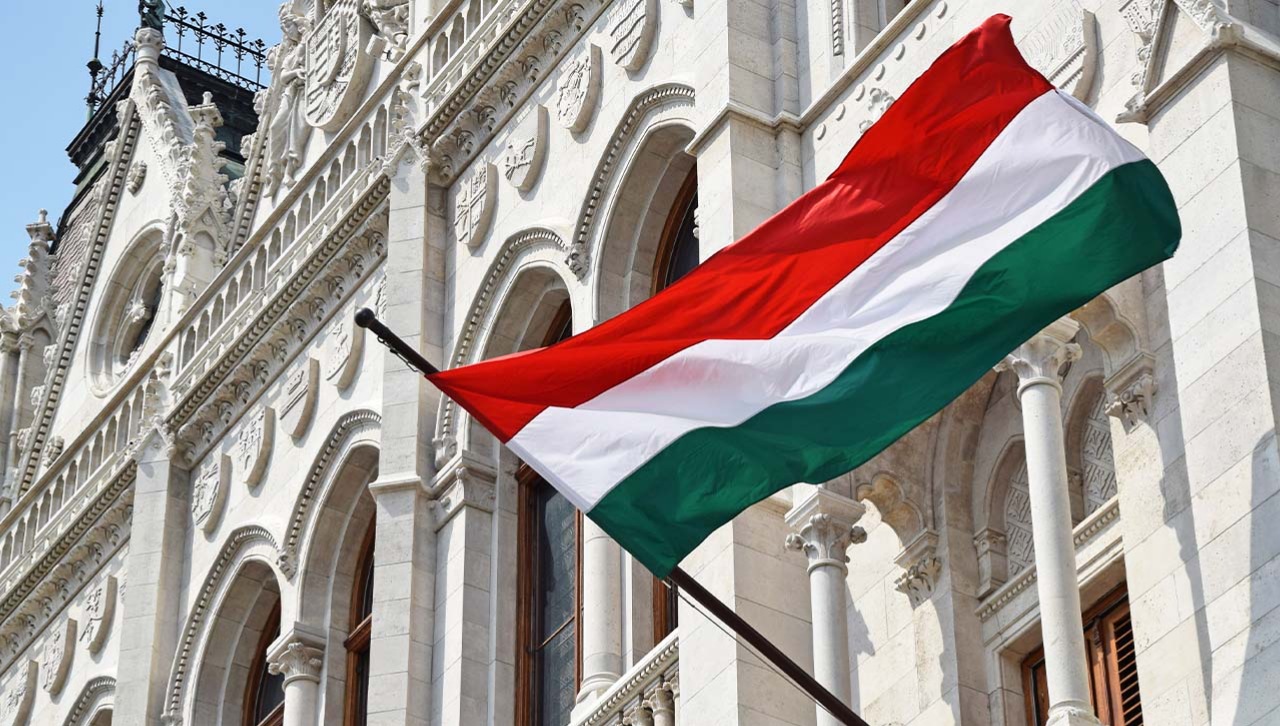
The Hungarian Parliament has voted to remove gambling concession agreements from the jurisdiction of the Supervisory Authority for Regulated Activities (SZTFH). SZTFH regulates gambling, as well as other sectors, including tobacco, cybersecurity and mining.
The regulator faces abolition
Recent targeting of gambling sector regulations follows the political reshuffle. Hungary held its 2026 parliamentary election on 12 April. The TISZA party won, and a new Government under Prime Minister Péter Magyar formally took office on 9 May.
It intends to abolish the regulator entirely in the near future and redistribute its responsibilities among various state institutions. Meanwhile, the next immediate step will focus on abolishing the Concession Council.
The previous regime established the SZTFH in 2021 to oversee the areas listed above, which are completely unrelated ot each other. Meanwhile, the new Government highlighted that all these sectors have one thing in common: they have all faced significant criticism over political connections.
Casino concessions come under scrutiny
Over the summer, the new leadership announced that it will discuss a complete overhaul of casino concessions. Apparently, in the weeks leading up to the spring parliamentary election, the previous administration hastily handed out multiple casino concessions across the country. This includes locations such as Szeged, Győr, Miskolc, Pécs, Debrecen and Sopron.
Meanwhile, Minister for Transport and Investment Dávid Vitézy noted that some of these contracts are valid for 35 years, while ownership structures indicate possible political nepotism.
He promised to review the circumstances surrounding the awarding of these concessions, as well as the system governing casino operating rights.
New administration determined to clean up gambling sector
Immediately after taking office in May, the new administration announced changes to the country’s gambling sector and criticised the former Orbán administration for its lack of regulation and transparency.
Among significant changes already introduced are stricter anti-money laundering regulations for gambling operators, mandating more extensive risk assessments.
Furthermore, leadership at the state-owned operator Szerencsejáték Zrt has been reshuffled. Local media previously reported allegations that the operator’s board included members appointed due to their political connections.
Hungary’s regulated online gambling market remains underdeveloped, with its restrictive single-concession model driving significant player spending offshore. Could the new Government introduce competitive licensing and build a more open, effective regulatory framework? Global Gaming Insider explored the issue earlier.
Hungary also tightened restrictions on prediction market platform Polymarket earlier this year, citing concerns related to unlicensed gambling operations