






















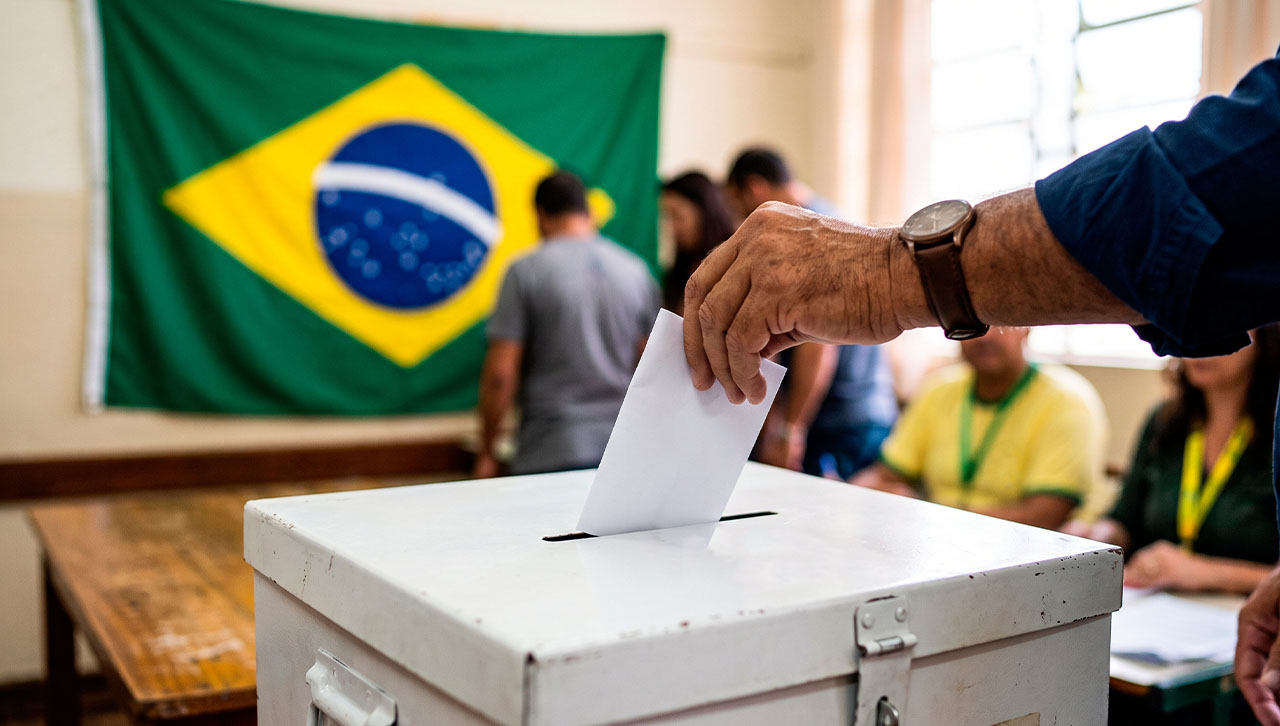
Brazil's Presidential election is heading to a runoff after Flávio Bolsonaro took 47% share of the vote in the first round, ahead of incumbent Luiz Inácio Lula da Silva.
Neither candidate secured the majority needed to win outright, setting up a second round that will hinge largely on voters who backed other candidates in round one, as well as those still undecided.
Betting policy has featured prominently in the campaign.
Bolsonaro has positioned himself against the Federal Government's recent ban on betting operators, repeatedly criticizing Lula for "legalizing" the sector in the first place, even though sports betting was legalized under former right-wing President Michel Temer in December 2018.
Lula's own Government later signed Law 14,790 in 2023, establishing the regulatory framework for fixed-odds betting and online games.
Worth noting: Lula's administration didn't move straight to prohibition despite his personal criticism of the sector.
Over the course of his term, the Government created the national betting regulator Secretariat of Prizes and Bets (SPA), launched the Centralized Self-Exclusion Platform, blocked social program beneficiaries from betting platforms, and introduced mandatory advertising warnings, before ultimately signing the provisional measure banning the sector outright shortly before the election due to believing the sector would bring more harm to the country.
The first round also confirmed how split the electorate remains on the issue and beyond it. Representatives of BRICS, the intergovernmental grouping of Brazil, Russia, India, China and South Africa (joined more recently by other emerging economies), noted that "the first round has also revealed the depth of Brazil's political polarisation."
Four out of thirteen of Brazil's presidential candidates had proposed banning betting platforms in their campaign platforms