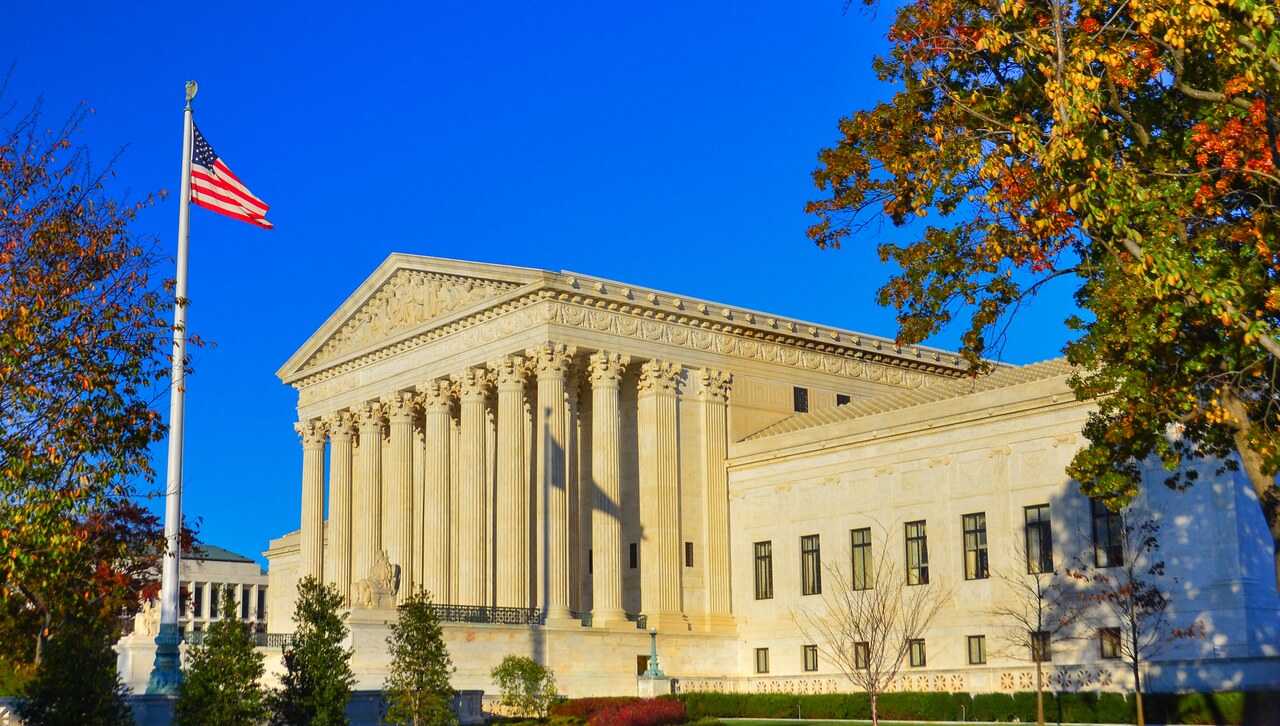
Ohio and 38 other states, joined by the District of Columbia, have urged the US Supreme Court to review New Jersey regulators' dispute with prediction market operator Kalshi over sports event contracts.
Their amicus brief, submitted on October 7 in Flaherty v. KalshiEX, supports New Jersey's petition for a writ of certiorari. It asks the justices to decide whether the Commodity Exchange Act (CEA) prevents states from enforcing their sports gambling laws against contracts listed on federally regulated exchanges.
The coalition argues that the CEA's definition of a swap does not cover sports wagers on a prediction market. Kalshi has argued that its contracts fall within the Commodity Futures Trading Commission's (CFTC) exclusive jurisdiction, placing them beyond state gambling regulation.
The brief points to conflicting appeals court decisions. In April, the Third Circuit upheld preliminary relief for Kalshi against New Jersey regulators.
The Ninth Circuit later rejected Kalshi's position in a Nevada dispute, while the Sixth Circuit ruled in September that the CEA does not preempt Ohio and Tennessee gambling laws.
The courts reached those outcomes through different interpretations of the statute.
Ohio's filing says the disagreement has left states, federal regulators and operators facing inconsistent legal treatment across jurisdictions. It also cites litigation involving the CFTC and several states over whether local sports betting rules can be applied to contracts offered on designated contract markets.
The coalition argues that state gaming frameworks contain safeguards that a finding of federal preemption could undermine. It identifies minimum age requirements, exclusion lists, limits on gambling spending and consumer protections among the measures states use to address gambling harm.
The brief also cites a separate July comment from 44 states arguing that the CEA does not preempt state law. That intervention involved a different coalition from the 39 states backing New Jersey's petition.
New Jersey filed its petition in September after the Third Circuit upheld preliminary relief for Kalshi. The Supreme Court has not agreed to hear the case. Kalshi's response deadline has been extended to November 9.
In September, the National Council of Legislators from Gaming States urged the Supreme Court to review the same dispute, warning that Kalshi's interpretation could weaken states' control over sports betting and other gambling regulation.
The brief lists related cases pending in five more federal appeals courts and the Massachusetts Supreme Judicial Court