The Commodity Futures Trading Commission (CFTC) issued an Interim Final Rule on October 9, declaring casino-style gambling products such as poker, blackjack and roulette are "excluded" from the definition of a swap.
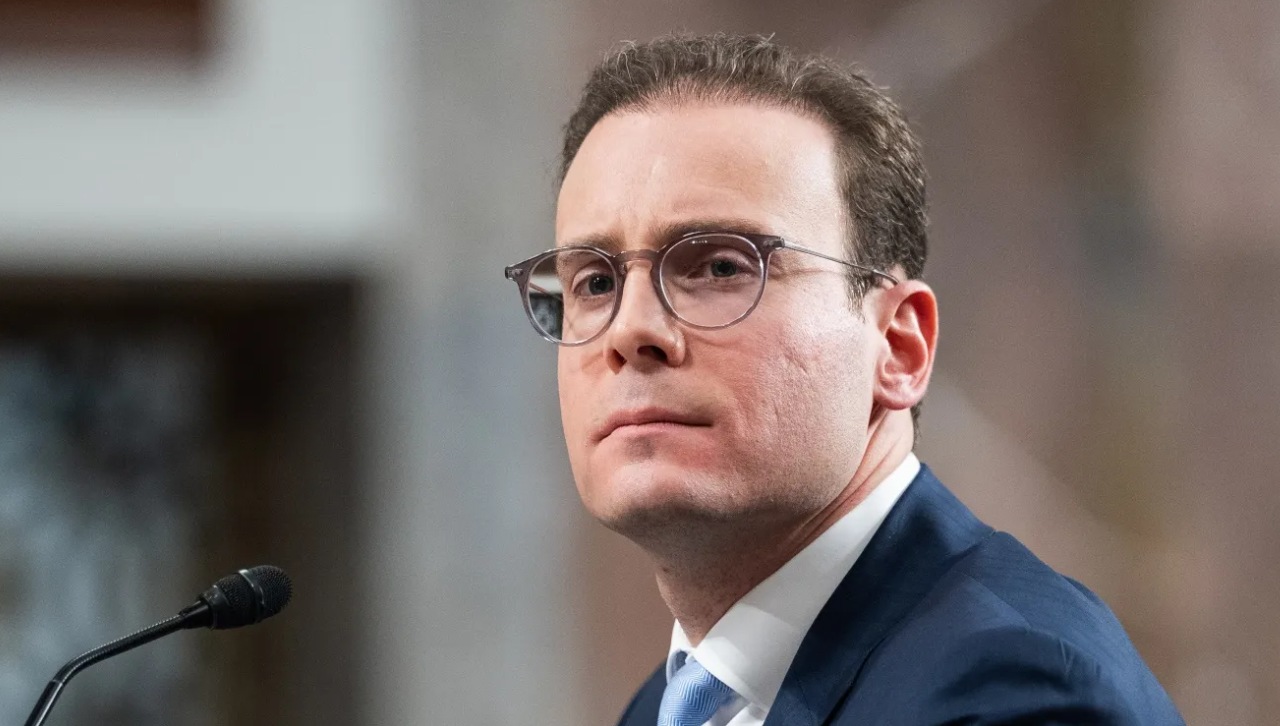
“Casino-style gambling products are not derivatives,” CFTC Chairman Michael Selig said.
“Just as the CFTC has done with respect to other products historically regulated by the states, the Commission today provides clarity regarding the limits of its regulatory remit by codifying the exclusion of casino-style gambling products from the ‘swap’ definition.”
According to the CFTC, wagers placed on sportsbooks are also not included within the definition, although sports event contracts offered by prediction market operators have long been deemed as “financial instruments” by the Commission.
In fact, along with its Interim Final Rule, the CFTC began seeking public comment on revising the term “swap” to include contracts tied to sports, politics, culture and weather as well.
The CFTC believes such revisions would provide “additional market clarity” and “resolve any ambiguity regarding these contracts.”
Perhaps wishful thinking on the Commission’s part.
Nonetheless, Selig continued: “Americans use event contracts to hedge risks, speculate and provide the public with information about the outcome of future events.
“These products are commodity derivatives squarely within the CFTC’s regulatory remit under the Commodity Exchange Act and are within the agency’s exclusive jurisdiction.”
While the CFTC’s position on sports event contracts remains unchanged, the confirmation could stymie operator’s efforts to potentially offer event contracts tied to casino-style games.
On October 2, the CFTC marked its first legal victory over state regulators in nearly six months after an Illinois Federal District court granted preliminary injunction motions from Kalshi, Coinbase and the Commission.
Following the Illinois ruling, Wallach Legal Founder Daniel Wallach stated an “intra-circuit split” was created with a previous decision handed down in Wisconsin that moved two questions concerning Tribal gaming authority toward the Seventh Circuit.
The Ho-Chunk Nation Tribe sued Kalshi and Robinhood over event contracts accessible on its Tribal lands, alleging the products constitute unauthorized class III gaming under the Indian Gaming Regulatory Act.
Global Gaming Insider broke down the recent partnerships formed between Tribal organizations and Kalshi, garnering responses from the Indian Gaming Association and Oklahoma Indian Gaming Association.
Kalshi requested the CFTC allow margin trading on its prediction markets platform in September, although such capabilities would not extend to sports, culture or ‘mention’ markets