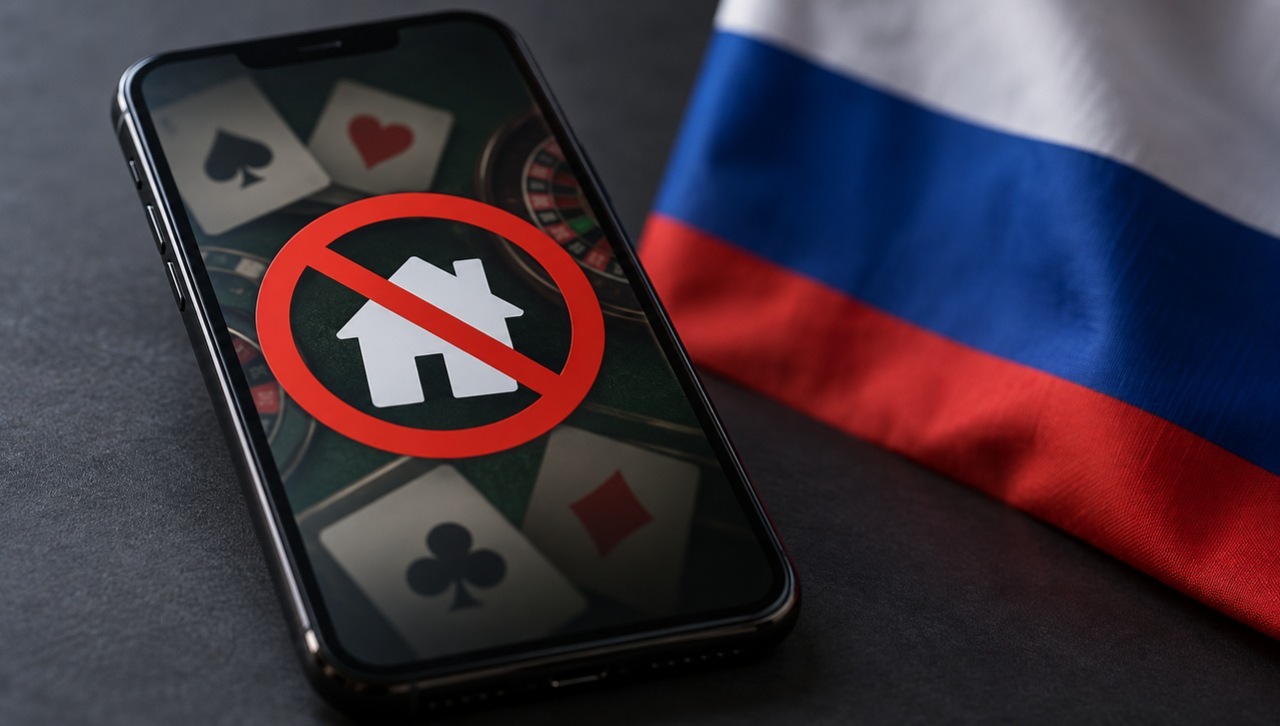
Russia is considering whether to allow close relatives to impose gambling restrictions on family members struggling with addiction, after State Duma Deputy Boris Chernyshov called for the measure to be introduced.
Chernyshov heads the Committee for the Development of Civil Society, Public and Religious Associations. His proposal comes shortly after Russia launched its first national self-exclusion register on 1 September.
According to Chernyshov, more than 64,000 Russians have already excluded themselves, indicating "a high public demand and the scale of the problem."
The deputy noted: "Spouses, parents, and children are the first to see that someone is heading for disaster, but their hands are tied, because today, self-imposed restrictions can only be imposed on oneself. Granting relatives this right is a completely logical step.’’
Last week, Senator Alexander Trembitsky announced that Parliament is planning to tighten regulations on gambling advertising.
During a recent Federation Council roundtable, participants debated a comprehensive approach to combating gambling addiction, covering everything from prevention to rehabilitation.
In September, Anatoly Sakharov, Director of the Russian National Scientific Centre for Narcology, proposed using part of gambling operators’ revenue to fund research into gambling addiction.
This comes as Russia is set to introduce the first unified clinical guidelines for the diagnosis, treatment and prevention of gambling addiction.
A multitude of responsible gambling measures have either been introduced or proposed recently in Russia. Global Gaming Insider analysed in detail how local authorities are increasingly recognising the complex and multifaceted nature of gambling addiction.
Amid these developments, Russia is considering whether to legalise online casinos. The Ministry of Finance and the gambling regulator ERAI are evaluating two fundamentally different paths: legalising and taxing the industry, or instead reinforcing prohibition and increasing enforcement measures.
Earlier in 2026, Finance Minister Anton Siluanov proposed legalising online slots, with the process expected to begin in spring or summer but failing to materialise