One way of looking at these results is to focus on the positive full-year figures. On the other hand, the Q4 data is softer. Would you urge people to look at the bigger picture or would you prefer to face up to the short-term challenges?
I think if you look at the full year you can say that this is a company that's doing really well and going in a good way. Even though the fourth quarter was the second highest, in terms of revenue, ever – which is quite strong – and it was the highest quarter ever on the B2C side, there was a slight step down in the B2B business and that obviously impacts the top line. That's something that we will want to address, but I think we shouldn't get paralysed by the fact that something has happened to a small part of our revenue. We’ve grown in a lot of markets, and we are a company constantly moving forward, so that's how I see it.
You referenced the change in revenue mix between B2C and B2B. Do you see that as an ongoing shift? How much is driven by Betsson strategy and how much is due to external pressures?
There is no change in strategy. It's not that we're going to go for less B2B in general or that we're going to turn into a purely B2C company. The B2B revenues that we have do a great job for us, because the technology that we invest in and develop brings in extra money through other operators. So that's a good way to fuel our own growth. There is no such change in that strategy. But it has always been like that. B2C and B2B – they go through different phases and it has an impact on the dynamics of the P&L.
Looking at some of those other headline mitigating factors that you refer to – higher gaming taxes and continued investment – do you see these as transitory and or as longer term structural changes that you will have to adapt to?
I think the introduction of local taxation, which started 20 years ago, is a structural change that came to the industry as no surprise. We could see this happening and we expected it. We have to adapt to it. I think the way to address it is that we need to make sure that we are fit and proper in every single market where we operate. That way, we can be competitive despite the taxes, because the taxes are there to stay in one form or the other. Having said that, I believe that certain markets would be more healthy if they backed off a bit. So I think we will see gaming taxes in certain markets going down, to make sure that they can protect and keep the regulated part of the industry, because in some markets it's scary to see the level of unregulated operations.
We don't see the World Cup event as something that you should harvest profits from, because it's hard to tell how it's going to play out
Obviously there's been pushback in a lot of markets over the past few months on the question of taxation, but where specifically do you see there being potential for a reversal?
I see discussions going on in several markets, not that there have been many proposals yet about decreasing taxes. But one example is the Netherlands, where the actual gaming authority concluded that less than 50% of gaming is in the regulated system. I mean, think about any other regulated industry or regulations in society and you wouldn't accept that.
And that's a feeling that's shared by a lot of people in the industry. Has that impacted marketing spend at all? It was down slightly...
It's down a little bit, but that's a tiny bit, and that's more coincidence than anything else. There is no change for us in spending less on marketing.
So would you expect that marketing spend to rise this year, or is that too much of a projection?
That's too much of a projection. What we know is that it always differs between quarters from time to time. And that's more about when the spending happens. In certain quarters, like with the World Cup this summer, we tend to spend a little bit extra so we can commercialise such events.
Sportsbook was one of the areas that did have a softer performance. How important is it to change that direction of travel quickly, considering the World Cup this year? Operators and partners are going to want to make the most of that opportunity and feel like they're in the best possible place.
Yeah, I think the sportsbook was down a bit, so that was due to a lower margin. The margin in that quarter was lower year-on-year, and we had a step down in the B2B area, which was quite sportsbook heavy.
But the product, as such, has never been better than it is right now. And we hope that it will continue to become even better before the World Cup. And that's the important part, I believe.
We don't see the World Cup event as something that you should harvest profits from, because it's hard to tell how it's going to play out. Rather, it’s a good time to increase customer intake and things like that.
So, slightly more broadly. Do you feel like there's any need for a change in strategy based on these results? Or do you think that based on the bigger picture, it's going to be more of a case of carrying on as you are?
If I summarise our strategy and ambition very broadly: we want to offer the best product in every single market where we operate with a good customer experience. And if we manage to do that with a good efficiency in the company, then we will be in a good place.
And I think we can tell, even though now we have a quarter which is not the dream quarter – still a good quarter – but we have a profit EBIT margin of close to 18%. I mean, many companies would just dream about having that kind of profitability. So that shows that we are in a good spot when it comes to strategy and how we are set up, in my view.
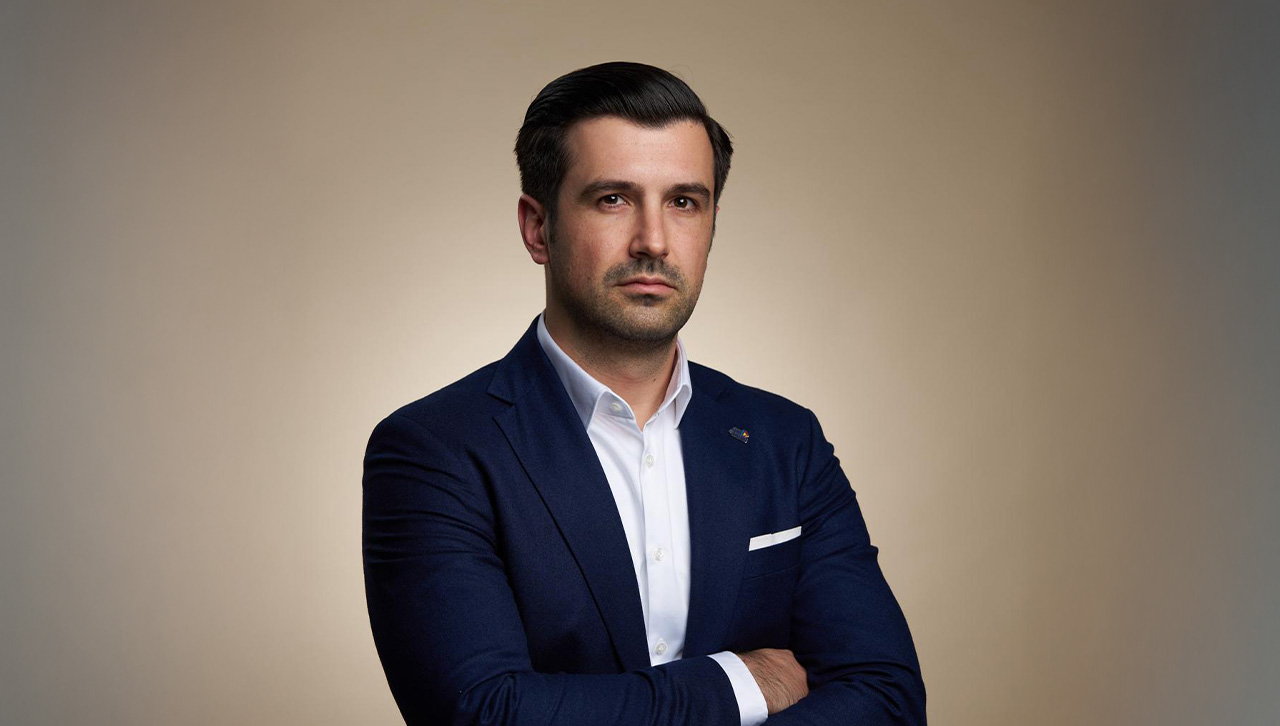
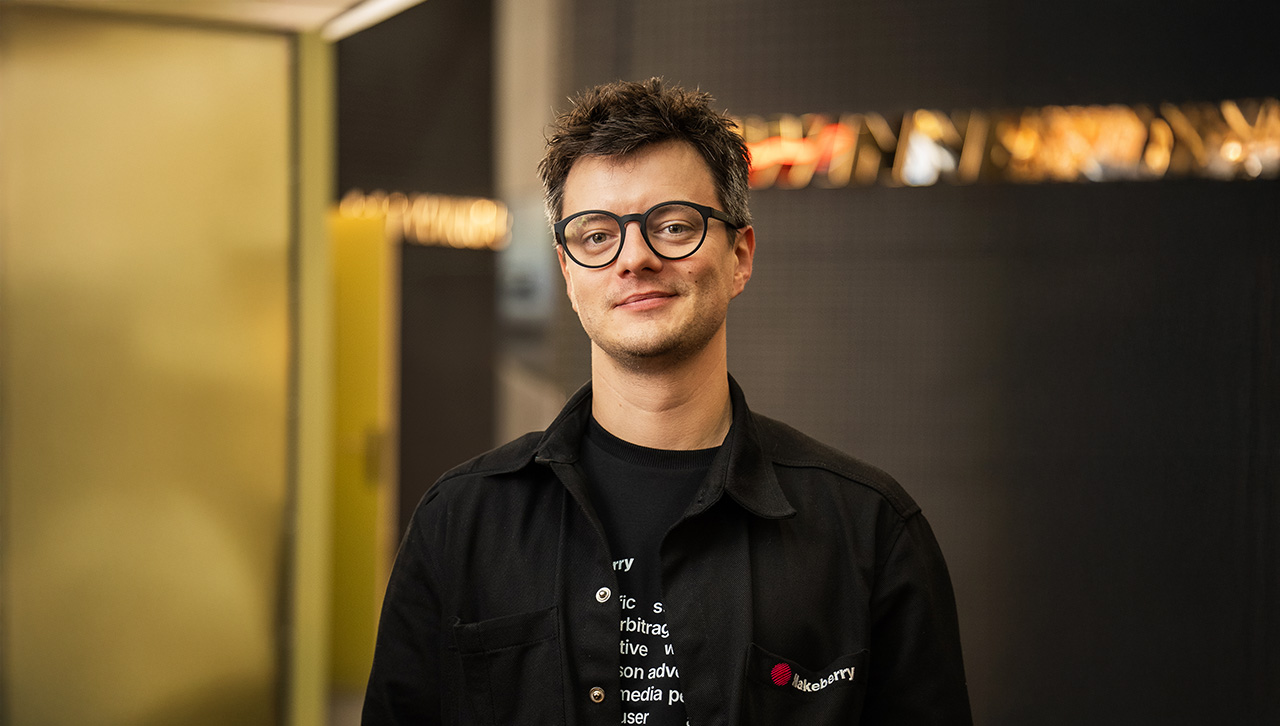
Jesper Svensson, Betsson Group CEO, was named Executive of the Year at the Global Gaming Awards EMEA 2026