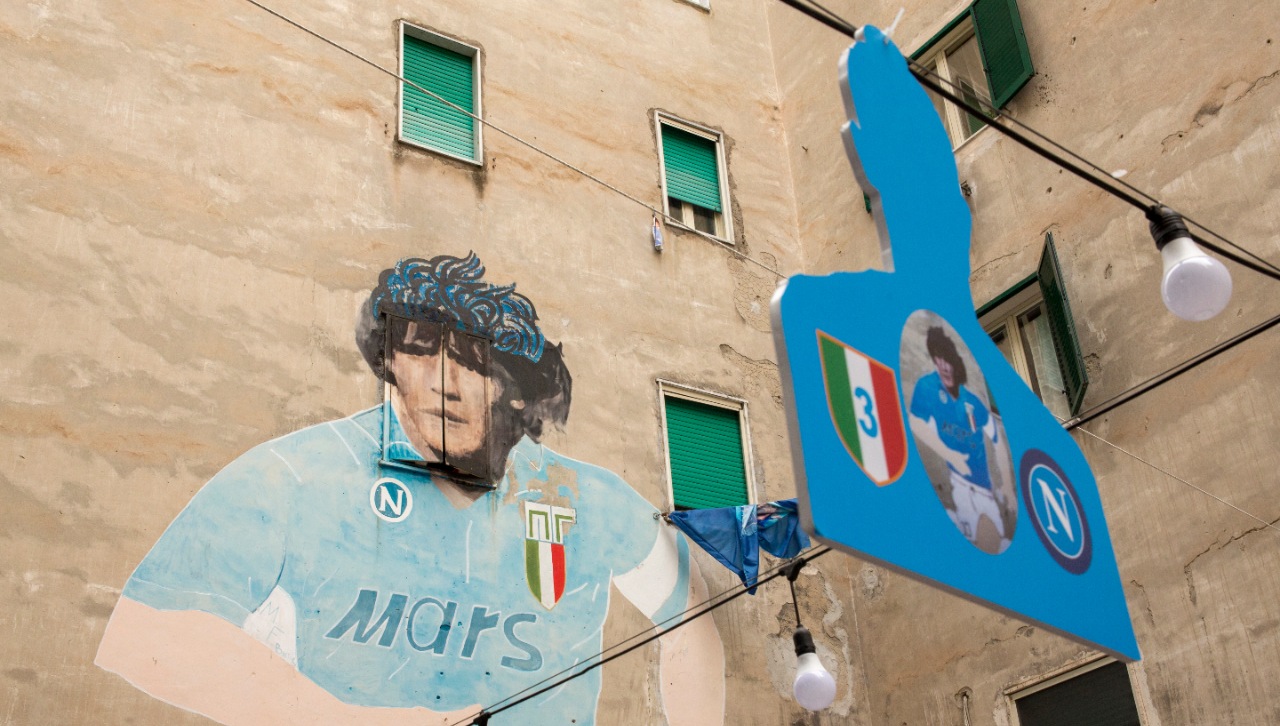
BetWarrior, one of Argentina's longest-running licensed betting brands and an official sponsor of the national football team, launched a commercial during the opening matches of the 2026 World Cup featuring an AI-generated recreation of Diego Maradona's face and voice.
In the ad, Maradona appears wearing the same jersey he wore at the 1986 World Cup and tells viewers it is time to show why Argentinians have what it takes. He also warns that if the world tries to "cut their legs out from under them," a reference to the famous phrase he said after the 1994 World Cup in the United States, the response will be that, in Argentina, people play with "balls." The line relies on the double meaning of the Spanish word "huevos," which can refer both to testicles and to courage.
The ad aired during World Cup cooling breaks, a slot that delivers mass live audiences, including during the opening match and Argentina’s first match.
The campaign sparked an immediate backlash for two reasons. Critics argued that Maradona's image was being commercialized without his consent, while others questioned the decision to use Argentina's most iconic football figure to promote a product linked to growing concerns about underage gambling. Beyond Argentina, the controversy raises broader questions about who controls a deceased public figure's digital likeness and whether additional safeguards should apply when it is used to advertise sensitive products such as sports betting.
Global Gaming Insider reached out to BetWarrior for comment, although the operator is yet to provide its response.
Why family approval does not end the debate
Fernando Burlando, the lawyer representing Maradona's daughters Dalma and Gianinna, said the decision was reached in a very democratic way. He confirmed that consent had been given by the five heirs, Dalma, Gianinna, Diego Maradona Jr, Jana and the minor Dieguito Fernando, represented by his mother Veronica Ojeda, though not every child agreed. Ojeda's own account complicates that picture. Asked directly about the campaign, she told the local newspaper TN she was focused on her son and that other things concerned her more, declining to confirm or deny her role, an answer that left more doubts than certainties about how unanimous the family's consent actually was.
That arrangement follows a series of court rulings over control of Maradona's commercial rights. In late 2025, an appeals court upheld the indictments of Matias Morla, two associates and Maradona's sisters Rita and Claudia in a case alleging the fraudulent administration of trademarks linked to the football icon. Prosecutors argue that rights associated with more than 200 Maradona trademarks were improperly managed through Sattvica SA, a company long controlled by Morla and his associates. In February 2026, a criminal court went further, barring Morla, Sattvica and the other defendants from negotiating, licensing or commercially exploiting any Maradona-related trademarks while the case proceeds.
The controversy also echoes an earlier dispute over Maradona's image rights. In 2023, lawyers representing the heirs sought the removal of several fan-run Instagram accounts, including @Maradonoir, arguing that Maradona's name and likeness could not be used without authorization. The move led Meta to remove several tribute pages and drew criticism from fans, while Dalma Maradona publicly distanced herself from the decision.
That episode resurfaced after the launch of BetWarrior's campaign. On social media, some users pointed out that fan accounts had been taken down for posting non-commercial tributes, while an AI-generated version of Maradona was now being used in a gambling advertisement with the approval of the family. The comparison raised a question that remains difficult to ignore: if non-commercial fan tributes were deemed unacceptable, what makes a paid advertisement different?
How betting sponsorships debates are part of a bigger picture
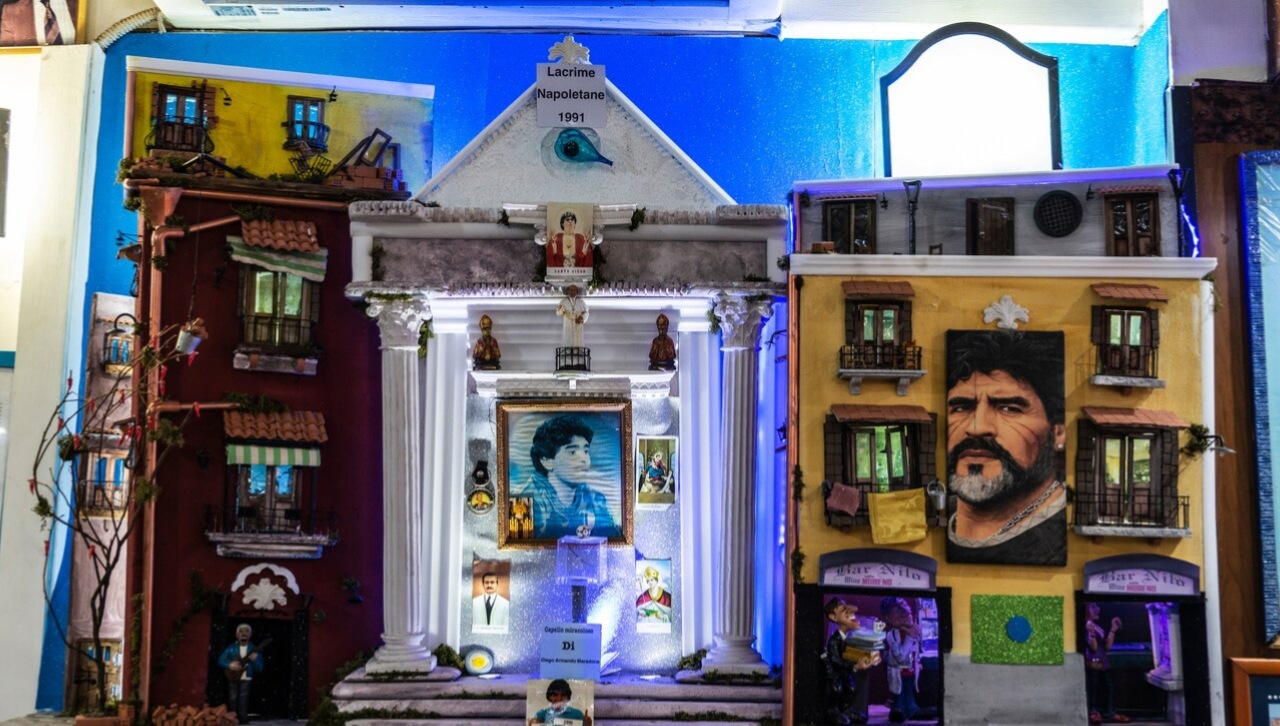
Maradona is not just a national hero in Argentina. Becoming one of the greatest footballers of all time, he also left an indelible mark in Southern Italy, where he joined Napoli and become a people's champion.
The advertisement also lands inside an active legislative fight over gambling advertising. A bill restricting betting advertising passed the lower house in 2025 and remains stalled in the Senate, while a competing executive branch measure tightens penalties for illegal operators but leaves advertising, bonuses and club sponsorships untouched, drawing criticism that it protects the legal betting business rather than restraining its growth.
That debate extends far beyond operators themselves. Betting sponsorships are now deeply embedded across Argentinian football. The AFA signed Betano as an official sponsor ahead of the 2026 World Cup, while clubs including River Plate, Boca Juniors, Racing, Independiente and Newell's maintain commercial partnerships with betting brands. Against that backdrop, efforts to curb gambling advertising increasingly collide with a football ecosystem that has grown accustomed to betting money.
BetWarrior continued expanding regardless, gaining authorization to operate legally in Santa Fe on June 17, with local reports indicating that Maradona's heirs might have received a significant payment for the rights.
What is the impact of Argentina's AI use on future AI regulation?
The use of a synthetic Maradona also overlaps with a broader reckoning over AI replicas that has so far played out mostly among living performers. In May 2026, Argentina's actors union backed a campaign fronted by the renowned Ricardo Darin, warning that advancing AI could let someone use a performer's image without their knowledge, closing with Darin urging lawmakers to regulate the use of artificial intelligence.
That campaign addresses people who are alive and can object. Maradona's case raises the harder question of what happens when the person depicted cannot consent at all, whether because they have died or lack the capacity to decide, leaving that authority entirely with heirs or estate administrators whose commercial interests do not always align with the depicted person's own values.
Argentina has no AI specific rule covering this situation. The BetWarrior campaign is governed only by the general inheritance and image rights settled through Maradona's own estate litigation, with no requirement to disclose that viewers are watching a synthetic recreation.
Other jurisdictions have moved faster. New York enacted the Posthumous Right of Publicity Expansion Act in December 2025, requiring authorization from heirs or executors before the commercial use of a deceased person's AI-generated likeness, voice or image. A companion law that took effect in June 2026 requires advertisers to disclose the use of AI-generated synthetic performers in advertising. California also updated its right-of-publicity framework to address AI-generated digital replicas, while the federal NO FAKES Act remains pending in Congress.
Legally, the campaign appears to rest on solid ground. The heirs control Maradona's image rights, and Argentinian law imposes no specific disclosure requirements for AI-generated performers in advertising. Yet the controversy highlights a grey area that legislation has only begun to address. Once a person's likeness can be recreated digitally, consent becomes something that others grant on their behalf.
For BetWarrior, that may prove to be as much a reputational question as a legal one. The company secured the necessary rights, but public reaction suggests that many viewers were evaluating something different: not whether the campaign was lawful, but whether anyone can truly know what Maradona would have thought about appearing in a betting advertisement years after his death.
AI allows advertisers to place new words in the mouth of someone who never spoke them, relying on heirs, rights holders and audiences to decide whether the result feels authentic, exploitative or something in between.
BetWarrior became the first betting operator to sponsor the AFA in 2022, securing a partnership covering Argentina's national teams and several domestic competitions