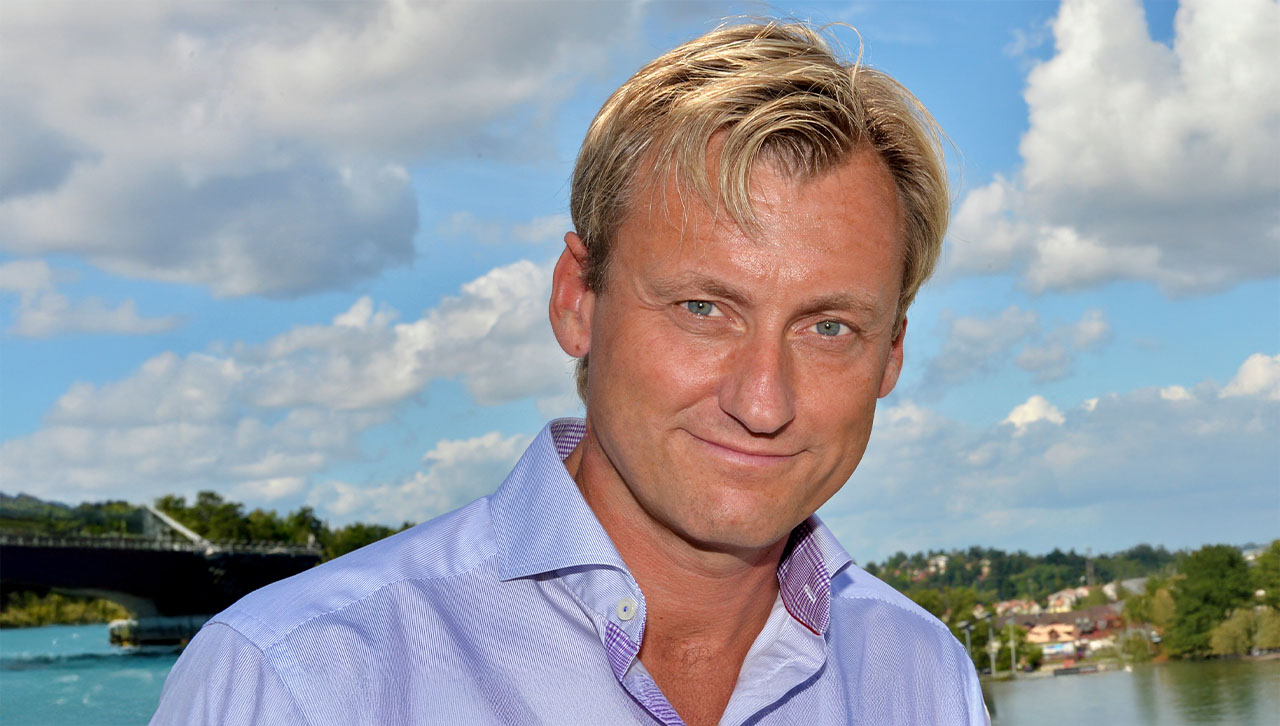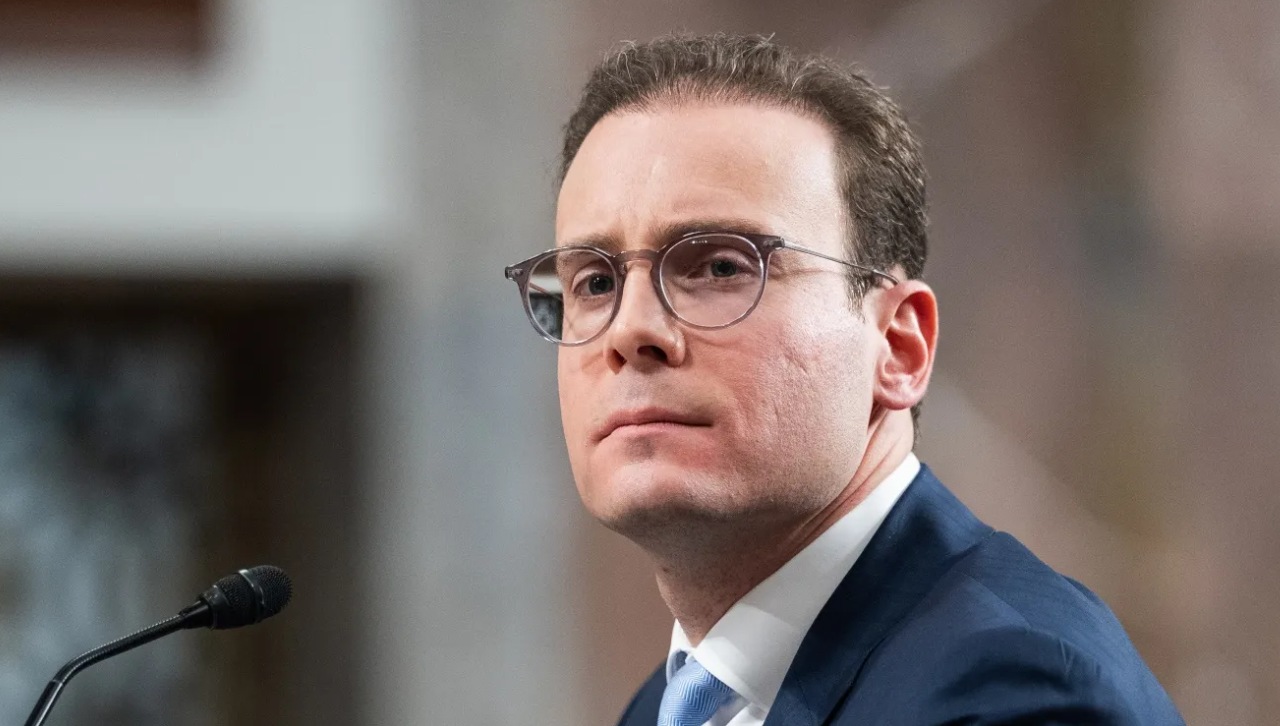
Six months after stepping into the role on an interim basis, Richard Harris has been confirmed as permanent CEO of The Rank Group. The Board's Nominations Committee, Chaired by John H. Ott and supported by search firm MWM Consulting, weighed up internal and external candidates before unanimously settling on the man who had been the group's CFO since May 2022.
On paper, the timing looks good. Rank has just posted its sixth consecutive quarter of like-for-like revenue growth, with year-to-date net gaming revenue up 6% to £625.2m ($837m), and the Board has upgraded its full-year outlook.
However, the appointment also lands Harris in the middle of one of the most turbulent regulatory and fiscal periods the UK gambling industry has faced in years.
Between a punitive tax rise, an unresolved affordability regime, a fraud investigation and a leadership team that is still bedding in, the new CEO's in-tray is a full one.
Here are the five biggest priorities he now has to work through…
1. Absorbing the UK's tax and regulatory overhaul
The single biggest structural challenge facing Harris is the UK Government's Autumn Budget 2025 decision to raise Remote Gaming Duty from 21% to 40%, effective April 2026 – a move Rank itself has previously described as a serious blow to the regulated sector, with a projected £40m ($53.5m) hit to operating profit before mitigation. A new 25% online sports betting duty follows in April 2027.
Rank has already leaned on marketing, supplier and headcount savings to offset much of the RGD impact, and those measures are visibly working: Q3 digital revenue still grew 4% despite the tax rise. Sustaining that discipline without eroding the customer experience will be a recurring test.
Layered on top is the long-running saga around Financial Risk Assessments. After a pilot, a paused decision in May and months of lobbying from operators, racing bodies and politicians, the Gambling Commission has now given FRAs the go-ahead, with phased deposit thresholds and implementation groups working through the practicalities over the summer.
Harris inherits both the compliance build-out and the reputational balancing act of keeping the checks "frictionless" for the vast majority of customers while satisfying a regulator under political pressure.
2. Turning growth into the promised £100m operating profit
Both Ott and Harris have repeatedly pointed to the medium-term target of at least £100m in operating profit as the yardstick by which this leadership era will be judged. The underlying trading looks supportive: Grosvenor, Mecca and Enracha have all posted venue growth, gaming machines have been a particular bright spot, and Mecca is targeting double-digit operating profit helped by the abolition of Bingo Duty.
The harder job is digital margin. UK digital NGR growth has been comparatively modest against a 40% duty rate, and while international digital markets have grown faster, converting steady top-line momentum into the promised profit figure – rather than simply offsetting tax with cost cuts – is the number investors and the Board will hold him to when full-year results land on 13 August.
Taken together, these five priorities describe a job that is as much about stabilisation as growth
3. Stepping out of a well-regarded predecessor's shadow
John O'Reilly led Rank for close to eight years, credited by the Board with turning around the group's performance, building out its digital platforms and reintroducing sustained growth.
His retirement in January was framed, by his own account, as leaving Rank in good shape, and he was warm about his successor's readiness for the job, describing Harris as far more than a finance chief and someone who understands the business inside out. That is a useful endorsement, but it is also a reminder that Harris's early tenure will inevitably be measured against O'Reilly's record.
Having spent four years as the numbers person in the room, Harris now needs to demonstrate he can set strategic direction in his own right, not simply maintain continuity – a distinction the Board itself has been careful to draw in explaining why it opened the search to external candidates before choosing him.
4. Completing the top team
Rank's leadership has turned over almost entirely in under a year: a new Chair in November 2025, O'Reilly's exit in January, a new CCO in Jenny Blogg from March, and an interim CFO, Cliff Baty, since February.
None of the recent announcements have addressed a permanent replacement for the CFO role Harris himself vacated, leaving a gap at the top of the finance function precisely when financial discipline matters most.
Bedding in Blogg's newly created commercial remit – which now takes in product and Rank Interactive – while resolving the CFO question will be an early, very visible piece of organisational business for the new CEO.
5. Rebuilding risk controls and defending the regulated market's credibility
December's disclosure of a €7.1m ($8.1m) payment fraud at Rank's Spanish Enracha and Yo brands is still working through an internal investigation supported by external lawyers, with the financial impact due to be treated as a separately disclosed item in the upcoming full-year results.
Tightening financial-crime controls as international and digital operations scale will be an unglamorous but necessary part of Harris's agenda.
That sits alongside a wider industry fight: Rank's own Director of Corporate Affairs, David Williams, has argued publicly that the UK's regulatory "balance" is broken and that the black market is a symptom, not the story, while the Gambling Commission's own figures point to a growing volume of illegal-site takedowns.
Harris will need Rank to keep its product and customer experience competitive enough that higher taxes and new compliance friction don't push players toward the unregulated space Rank has spent years positioning itself against.
Taken together, these five priorities describe a job that is as much about stabilisation as growth: absorbing a historic tax shock, hitting a profit target set by his predecessor, proving his own strategic credentials, finishing a leadership rebuild he is part-responsible for and shoring up risk controls in a sector under intense scrutiny… Just another day in the office, right?
Rank is due to report its preliminary results for the year ended 30 June 2026 on 13 August – the first full-year figures of Harris's tenure as permanent CEO