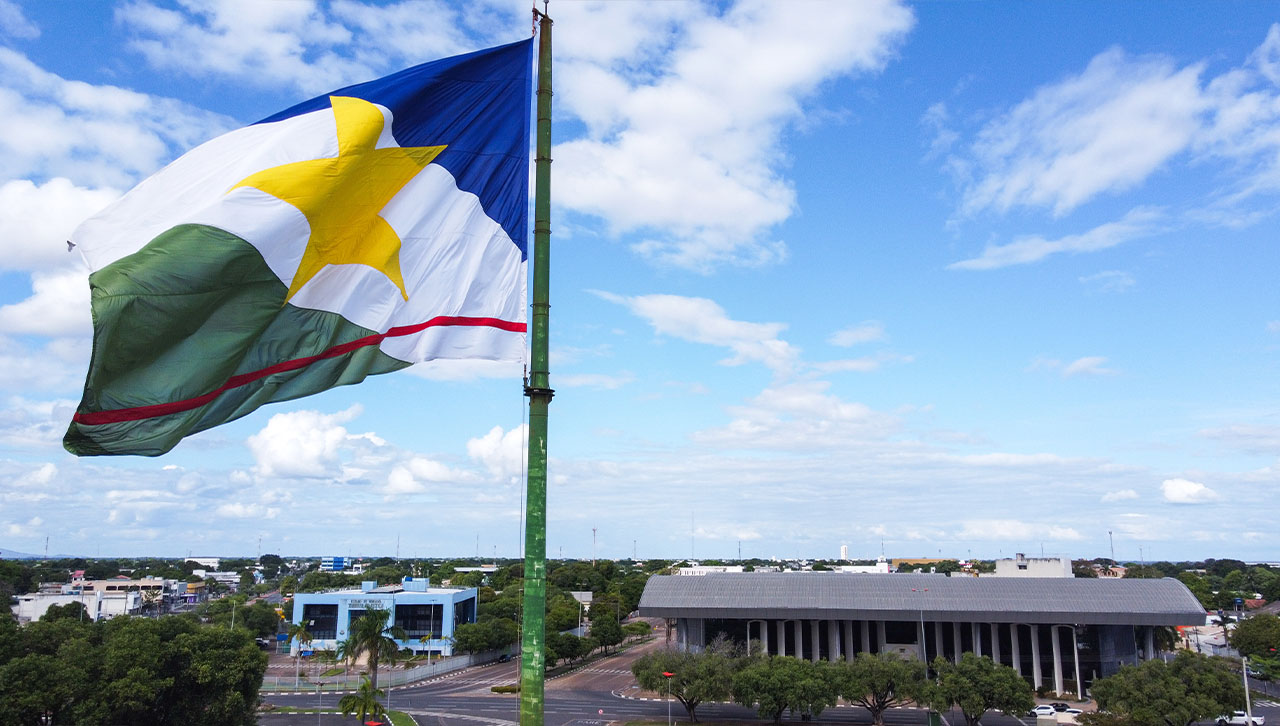
Brazilian police have arrested eight individuals, including seven digital influencers, as part of an investigation into an alleged illegal betting and money laundering scheme centered on illegal betting promotion in the state of Roraima.
The operation, led by the state’s cybercrime unit, examines financial activity estimated at BR260m over a two-year period. Authorities carried out 11 search and seizure warrants, alongside asset freezes and bank account blocks that could reach BR68m.
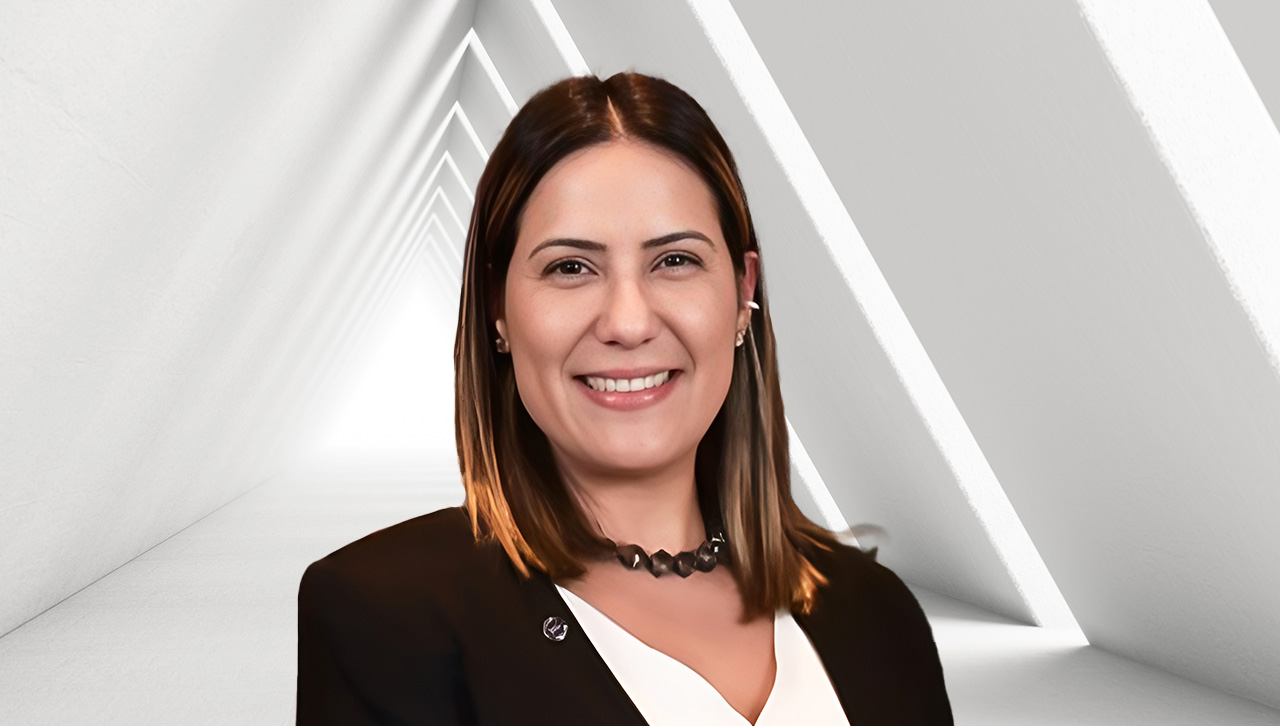
Among those detained is influencer Adrielly Vivianny Araújo de Jesus, identified by investigators as a central figure in the operation. According to the inquiry, her financial activity rose sharply from a declared annual income of BR84,000 in 2023 to more than BR140m moving through her accounts the following year.
Police estimate that at least BR61m of that total came from payment intermediaries linked to illegal gambling platforms.
Investigators allege that the group used social media visibility to promote betting links, often presenting them as opportunities for easy financial gain. Messaging apps were also used to distribute access links at scale, supported by a network of intermediaries.
Authorities said the structure showed signs of coordination, with defined roles and a strategy aimed at maximising reach and user engagement.
The investigation also highlights inconsistencies between declared income and observed financial activity. Despite displaying a high-value lifestyle online, Araújo was reportedly registered in a federal social welfare program during part of the period under analysis.
Police further allege that funds were routed through accounts linked to family members to obscure their origin. Assets including real estate and vehicles were acquired during the period, according to investigators.
The case remains under investigation, with authorities continuing to analyse financial records and digital evidence collected during the operation.
Brazil’s regulator has introduced systems requiring operators to block access for individuals registered in federal social welfare programs, including the one Araújo is registered in