A senior Brazilian lawmaker has renewed criticism of online betting advertising, warning that the 2026 FIFA World Cup should not be used as a vehicle to expand the industry’s reach into Brazilian households.
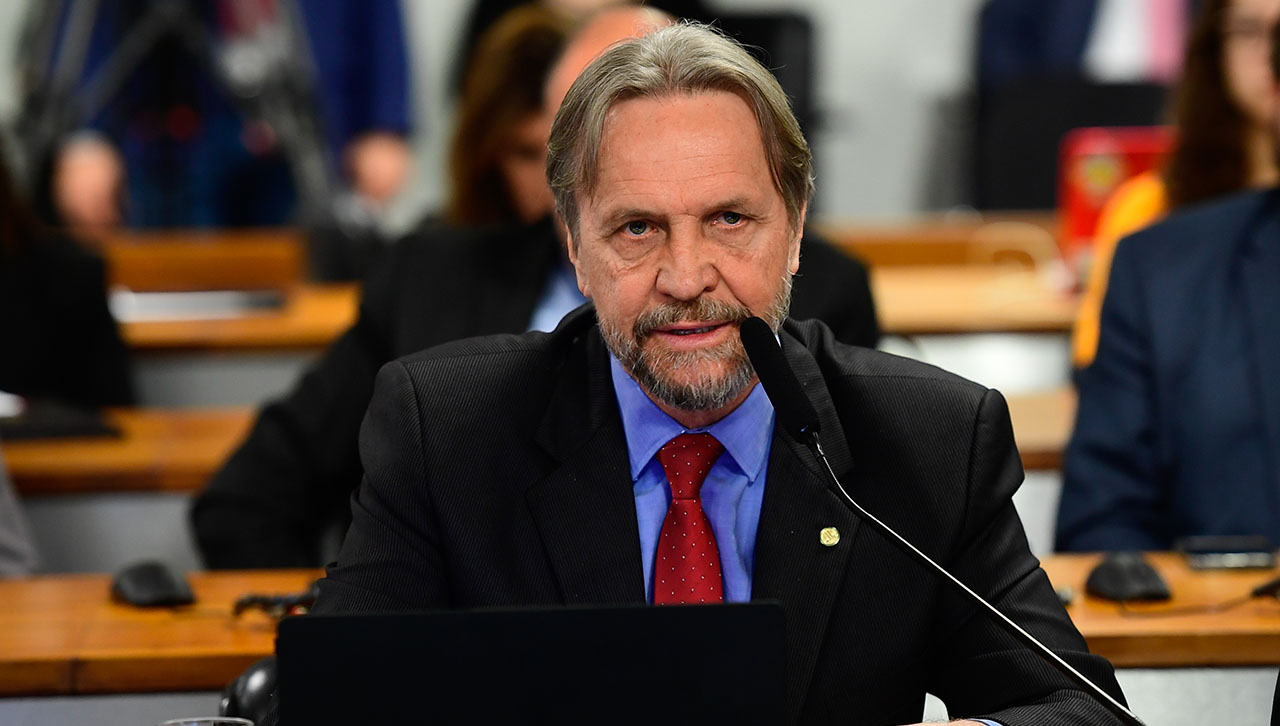
Pedro Uczai, leader of President Lula’s Workers’ Party (PT) in the Chamber of Deputies, used football imagery to attack the sector this week, declaring a “red card” for betting operators while citing concerns over consumer debt and gambling-related harm.
His comments were prompted by a study from the National Confederation of Commerce (CNC), which estimated that betting-related financial difficulties removed BR143bn ($27bn) from Brazil’s retail economy between January 2023 and March 2026.
“The World Cup cannot serve as a backdrop for betting operators to invade Brazilian homes,” Uczai said, arguing that constant advertising during football broadcasts obscures what he described as the social and financial consequences of excessive gambling.
“Debt resulting from digital gambling has already led 270,000 Brazilian families into severe default, according to an estimate by the National Confederation of Commerce of Goods, Services and Tourism (CNC). These are alarming figures,” he added.
The remarks arrive as Congress continues debating a series of proposals that would dramatically reshape the relationship between betting and Brazilian sport.
Lawmakers are currently considering legislation that would ban betting sponsorships in football nationally while imposing strict restrictions on gambling advertising across television, streaming services, social media, radio and other media channels.
Since regulation took effect, operators have become some of the country’s most visible sports sponsors, with brands heavily investing in clubs, leagues, broadcasts and major events.
Brazil’s sports justice authorities recently suspended two players for one year following a match manipulation case linked to suspicious betting activity in the 2026 Campeonato Carioca