



























Brazilian lawmakers are considering a new proposal that would channel a portion of betting revenue directly into social assistance initiatives, adding another chapter to the ongoing debate over how the industry should contribute to public policy goals.
Bill 128/26 would allocate 2% of revenue from fixed-odds betting operators to Brazil’s National Social Assistance Fund (FNAS), which finances welfare programs and support services for vulnerable populations.
The proposal does not increase the sector’s overall contribution, instead, it would redistribute part of the existing allocation established under Brazil’s betting legislation. Currently, 10% of betting proceeds are set for social security purposes. Under the bill, 8% would continue flowing to social security while 2% would be directed specifically to the social assistance fund.
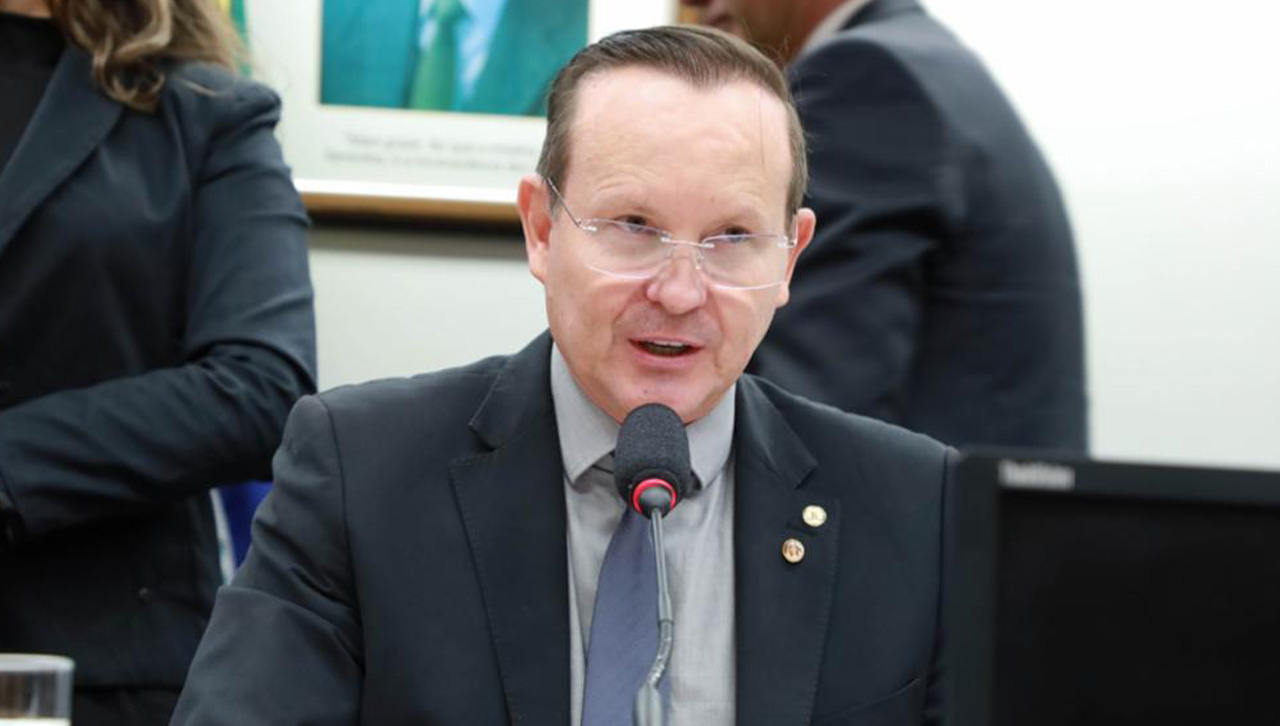
Author Márcio Honaiser said the objective is to provide a stable and recurring source of funding for social programs, benefits and assistance services.
The proposal is the latest in a growing series of legislative initiatives seeking to determine where betting-generated funds should be spent.
In recent months, lawmakers have also introduced measures aimed at directing gambling revenue toward disability programmes, sports initiatives and other public policy priorities.
Brazilian betting-related tax revenues continue to climb
According to Brazil’s Federal Revenue Service, licensed operators generated BR4.5bn ($807m) in tax revenue during the first four months of 2026, more than double the BR2.2bn collected during the same period last year.
That growth has intensified debates over how the proceeds from the country’s newly regulated market should be distributed, particularly as policymakers continue weighing the social costs and economic benefits associated with gambling expansion.
The bill will now move through several committees in the Chamber of Deputies before potentially advancing to the Senate.
Brazil has expanded its fight against illegal betting operators with new rules targeting influencers, advertisers and payment providers connected to unauthorized platforms