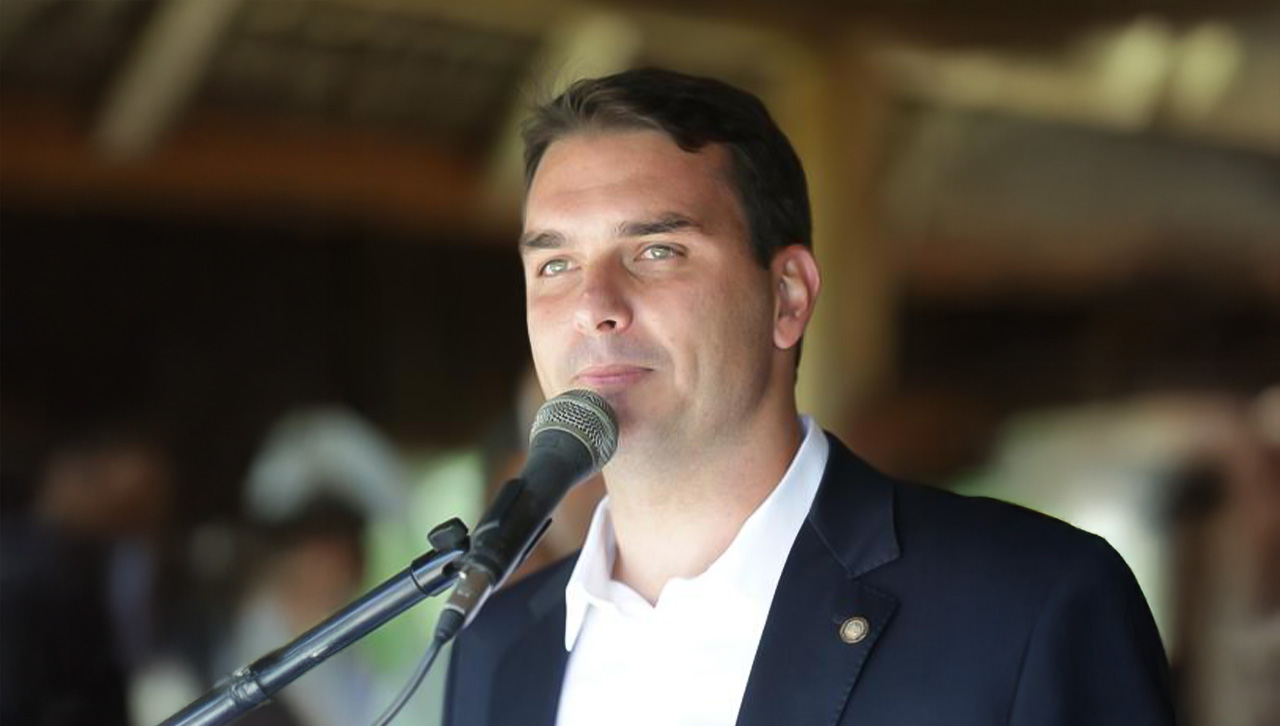















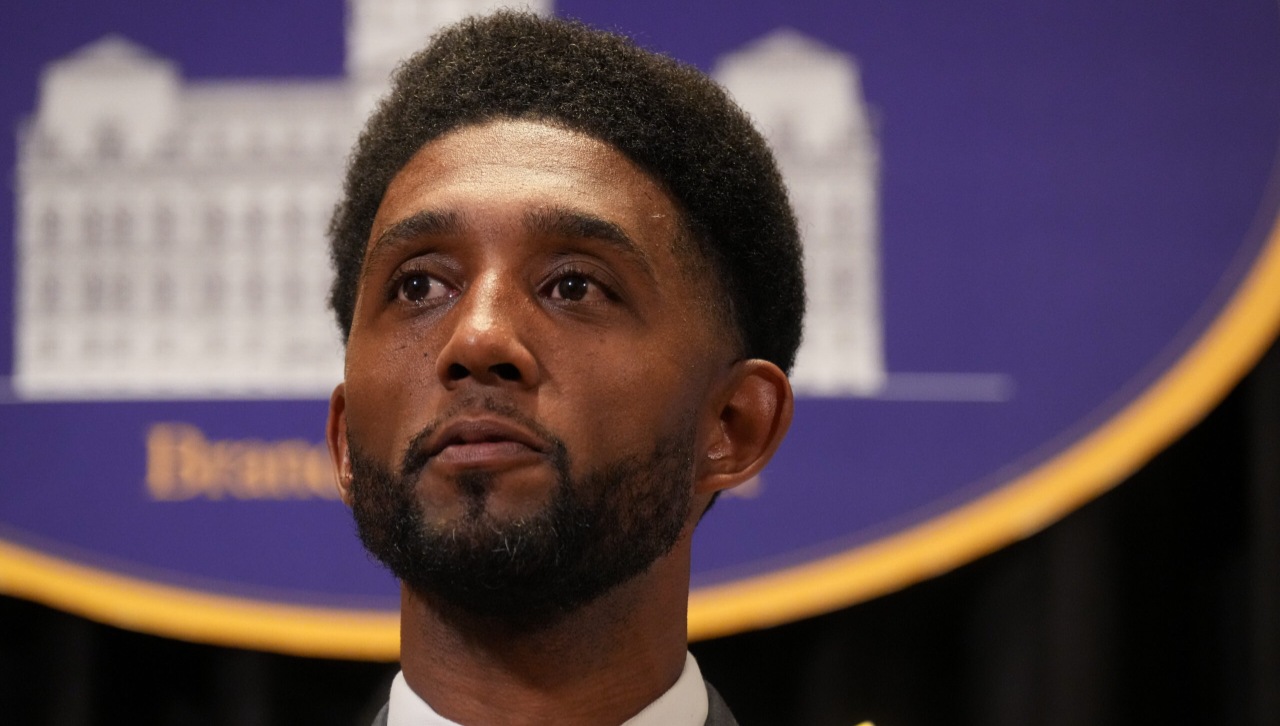
The City of Baltimore and Mayor Brandon Scott have filed lawsuits against Kalshi, Polymarket and the operators’ affiliated companies for operating “illegal, unlicensed sports-betting platforms and misleading consumers about the legality and regulatory status of their products.”
"These companies are running sportsbooks without licenses and betting that a new label will put them above the law," Scott said.
"It won't. Baltimore will not let multibillion-dollar companies put profits over people and harm our communities through illegal gambling."
The complaints allege that Kalshi and Polymarket allow Baltimore residents to wager on game winners, point spreads, point totals, player statistics and additional propositions commonly offered by licensed sportsbooks.
Since Kalshi and Polymarket are both operating without licenses required under Maryland law, neither is subject to the oversight, taxation, responsible gambling requirements and consumer protections imposed by state regulators.
City Solicitor Ebony Thompson also addressed the lawsuits, having said, "Kalshi and Polymarket cannot circumvent Baltimore's consumer protections by repackaging gambling as something else or claiming federal regulation puts them beyond the reach of our laws.
"The City will continue to use its consumer protection authority to stop deceptive and unlawful conduct and hold companies accountable when they put our residents at risk."
The lawsuits are seeking civil penalties, injunctive relief, restitution for affected consumers and disgorgement of ill-gotten profits and other relief authorized by Baltimore law.
Both enforcement actions also allege that Kalshi and Polymarket “market their platforms in ways that create a false or misleading impression that their offerings are lawful and appropriately regulated, while making gambling readily accessible to consumers.”
On August 11, the Commodity Futures Trading Commission (CFTC) exercised emergency authority over Kalshi following a lawsuit filed by New York Attorney General Letitia James, which seeks a temporary restraining order against the operator and more than $36bn in damages.
The CFTC ordered Kalshi to continue operating in accordance with the Commodity Exchange Act's Core Principles after the exchange notified the regulator of a market emergency.
On August 14, a Superior Court judge ordered Kalshi to restrict a substantial part of its prediction market offering in Washington State, following a lawsuit filed by AG Nick Brown in March