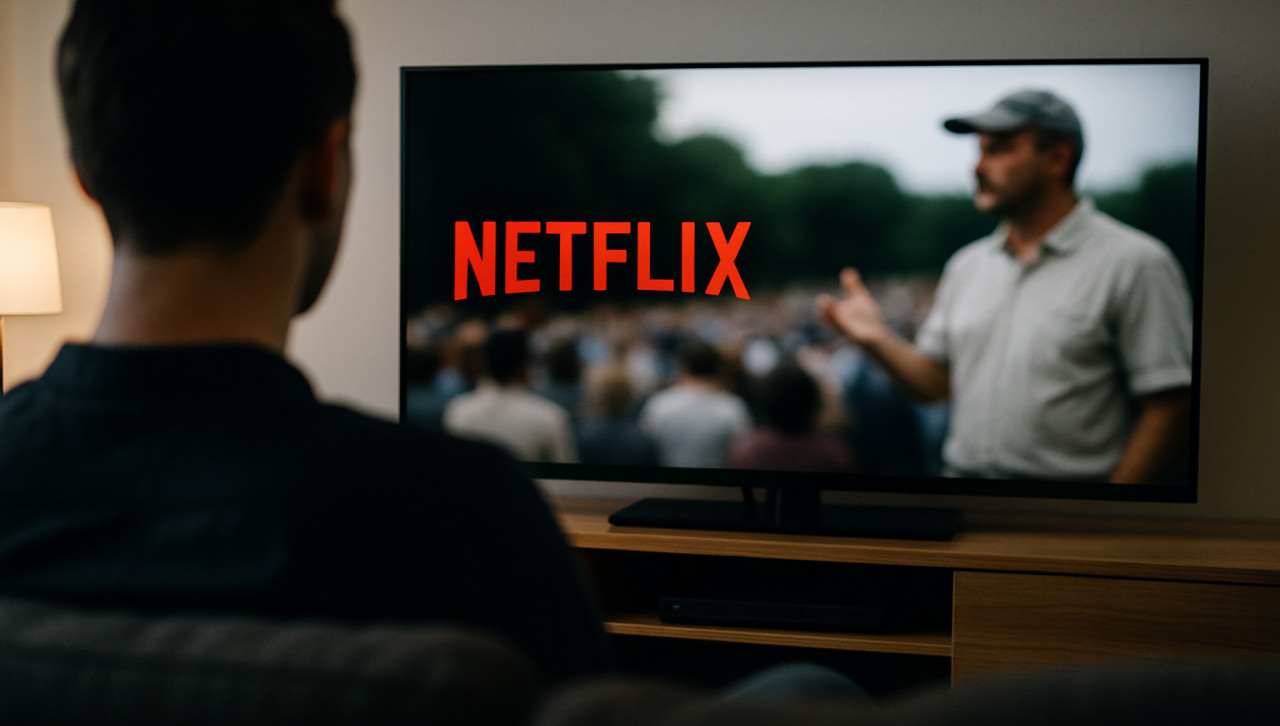
For those working in our industry, Netflix's 'Instadoc' on prediction markets didn't teach us anything particularly new.
The 37-minute episode was a good documentary; it offered balance and, perhaps most importantly, was unafraid of presenting the dark side of prediction markets.
But the documentary's chief accomplishment was putting what we in the gambling sector already know to an even more mainstream audience.
So how did prediction markets' Netflix debut play out?
What topics did The Prediction Games cover?
Starting off with a discussion of just how mainstream prediction markets have already become, against the backdrop of the FIFA World Cup, Netflix's documentary presents a quick 'how to' guide on all the main mechanisms behind prediction markets.
We are introduced to professional bettors who discuss making $1m within just two weeks on Kalshi, as well as one 'Novice' gambler who borrows money from his roommate to fund his Kalshi exploits. He isn't quite making as much...
That leads to an exploration of problem gambling, another theme the Instadoc does not shy away from.
A brief-but-accusatory segment also points the finger at the dangers of influencer culture, especially those who may falsely portray gambling as an 'easy win.'
Crucially, the language used throughout the episode plainly labels prediction markets as betting, rather than investing or trading. Kalshi Co-Founder & CEO Tarek Mansour is later given the platform to explain why he does not conflate the two – but beyond simply stating that prediction markets "aren't gambling," he doesn't say all that much.
A familiar face in Dustin Gouker, who the industry will know well, is another guest speaker who talks through the regulatory question marks surrounding prediction markets. At one point he smiles while thinking out loud: "How do I say this without getting into trouble?"
How did The Prediction Games address Trump, the CFTC and ongoing litigation?
When Netflix's Instadoc was announced, Global Gaming Insider's Will Underwood asked whether the documentary would be brave enough to address US President Donald Trump's role in the growth of prediction markets.
Well, without being too accusatory, it does. Both Trump and his son (a strategic advisor with Kalshi) were discussed, with CFTC Chairman Michael Selig also asked about their role in legal and regulatory affairs.
As with all his other answers, Selig toes the party line here, assuring viewers there is no direct involvement from the Trump family. Selig issues a further quote we've heard before, threatening potential state lawmakers that "we'll see you in court" if they try to overrule federal law when addressing prediction markets.
The litany of current litigation between state regulators and prediction markets makes its way into this section of the documentary, while the massive backlash against a US Government-introduced form of prediction markets back in 2003 makes for more compelling viewing.
The quotes of both CEOs summed up the current state of prediction markets: problems exist but the platforms' popularity remains unwavered by it
What did The Prediction Games say about the dark side of prediction markets?
Perhaps the biggest question going into this documentary was how much detail Netflix would go into with insider trading and Polymarket's war-related markets.
Again, for those inside the industry, this is well-trodden ground. The documentary, though, does its job of raising these key issues to a wider audience.
Insider trading is heavily discussed, including a story that has become infamous within the Global Gaming Insider office – that of hairdryer tampering to win money on Polymarket's weather markets.
A whisteblower is interviewed, who noticed fraudulent patterns on Spotify before cashing out over $200,000 and liquidating his Kalshi account. He claims Kalshi did not take his warnings seriously, but Netflix does speak to Robert DeNault, Head of Enforcement at Kalshi, and his team, to show the other side of the coin.
Perhaps because I myself am a journalist, the most eye-opening part of the documentary to me was an interview with a reporter from the Times of Israel. He was bombarded by Polymarket users to change his reporting on an Iranian missile strike. His refusal led to threats on his life.
What should our final takeaways from The Prediction Games be?
The final words of the documentary – rightly so, in my opinion – were left to Mansour and Coplan. Mansour definitely comes across the more corporate, but Coplan has an air of unsolicited genius. The 28-year-old displays the kind of rogue brilliance you might expect to find in a coding marathon at the heart of Silicon Valley. Sorry if that's stereotypical, but something tells me he wouldn't mind the comparison.
The quotes of both CEOs summed up the current state of prediction markets: problems exist but the platforms' popularity remains unwavered by it. Mansour comments that prediction markets have reached 'critical mass' and, much to the chagrin of commercial and Tribal operators throughout the US, he is absolutely right.
So how will the viewing public react to this documentary?
Its effectiveness is that it doesn't take a side. In presenting all parts of the story, those already in favor of prediction markets will most likely focus on the upside that there are millions to be made via the 'wisdom of the crowd.'
Opponents will draw their biggest conclusions from the guest speakers who spoke of the ethical and compliance flaws currently plaguing both Kalshi and Polymarket.
In bringing 'The Prediction Games' to an even wider audience, however, my best guess is Netflix's documentary will only add to prediction market momentum in the coming months.
After all, money talks.
Incidentally, Netflix isn't the only platform creating gambling-related series... Check out Global Gaming Insider's industry-first documentary: How to Win the World Cup: The Evolution of Sports Betting.
As recently as Friday, the Nevada Gaming Control Board reached an agreement to "definitively stop" Kalshi's "continued unlawful operation in Nevada"