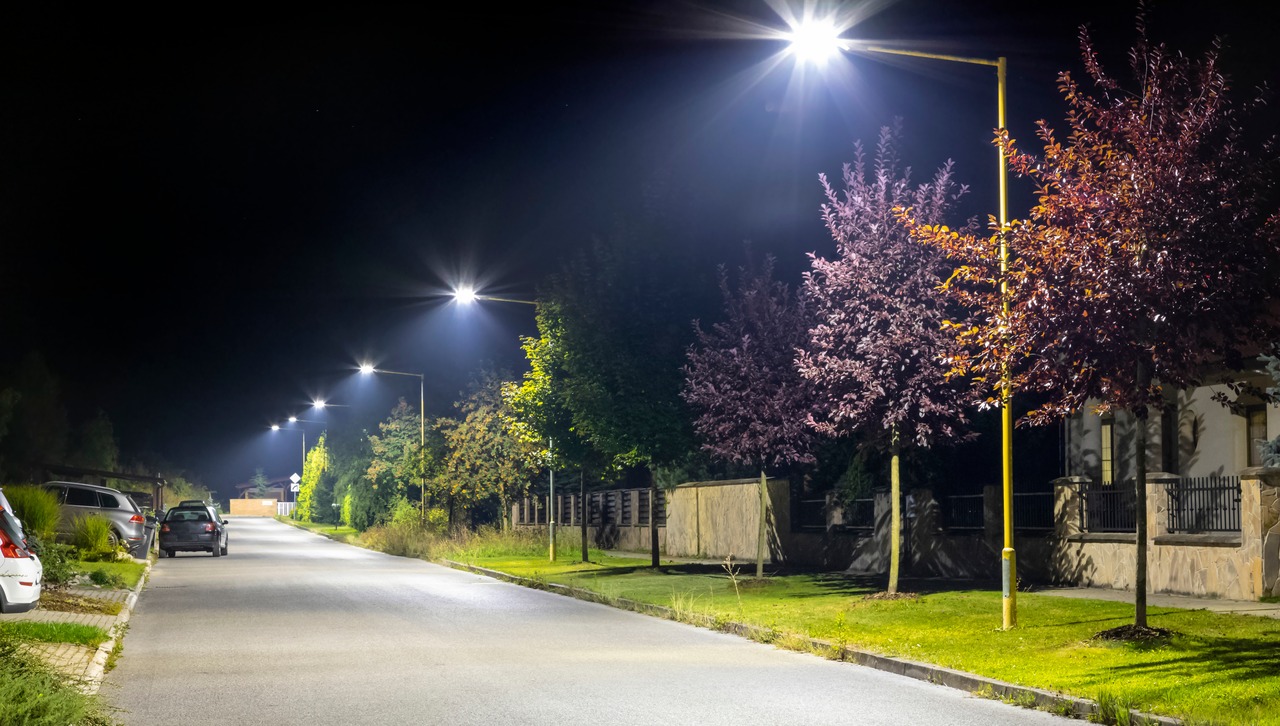
The Municipal Government of Necochea will direct 70% of the first instalment received from the sale of the city's former Casino Complex to a street lighting expansion covering neighborhoods in Necochea and Quequén, officials said.
The Executive Department said the funds will extend the electrical grid into peripheral areas to improve road and public safety, alongside separate works financed through the Municipal Infrastructure Strengthening Fund known as FEFIM.
Adrián Furno, the city's Secretary of Planning, Public Works and Public Services, said the technical team prioritized a project that would reach the largest possible number of residents directly.
The decision sets aside a proposal from opposition blocs in the City Council, which had sought to use the funds for paving key city streets. Furno said that option was not technically or financially viable with the funds available.
Paving a single block currently costs between ARS100m and ARS120m, Furno said, a figure that excludes infrastructure such as stormwater drainage. With the available share of the first installment, the municipality could only have paved six to eight blocks, limiting the benefit to a small part of the population compared with the lighting plan.
The Secretariat of Public Works is now preparing technical specifications and mapping the neighborhood grids for the new lighting.
The funds stem from the sale of the Casino Complex, a building on Necochea's waterfront that had stood closed for nearly a decade.
The municipality authorized the sale under a 2025 ordinance, with a public auction initially scheduled for February 2026, before a court injunction delayed the process.
The auction was held on June 10 2026, when A Toda Vela Mar, led by businessman Oscar Merlo, emerged as the sole bidder and acquired the property at its base price of ARS4.878bn, to be paid partly upfront and partly in instalments over four years linked to the US dollar exchange rate.
The Casino Complex, closed for nearly a decade, was sold in June 2026 to A Toda Vela Mar, led by businessman Oscar Merlo