


















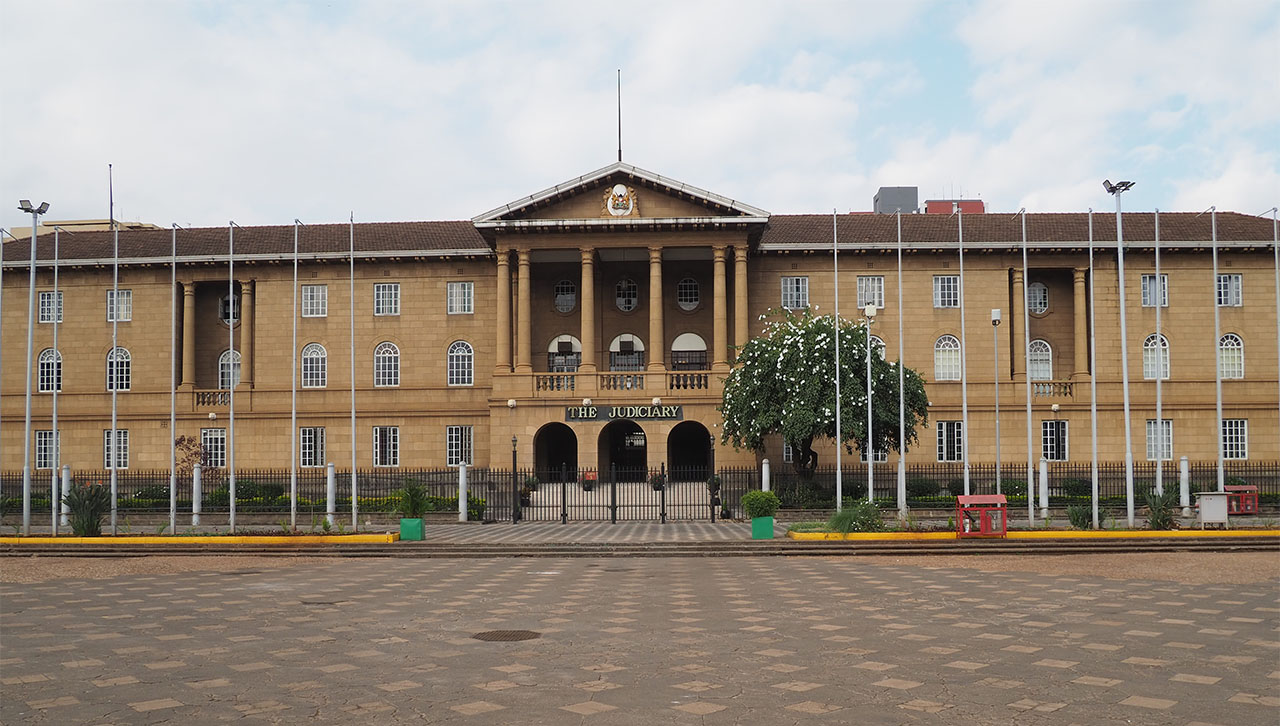
Kenya’s High Court has permitted the Gambling Regulatory Authority (GRA) to fully implement the newly enacted Gambling Control (Licensing) Regulations 2026. Nevertheless, a court case challenging the new licensing fees is still ongoing.
Earlier this month, the Nairobi High Court blocked the higher licensing fees introduced as part of a regulatory overhaul, while allowing the other regulations to remain in place.
Kenya recently introduced a new set of gambling regulations following the enactment of the Gambling Control Act 2025, marking the most comprehensive regulatory framework the country’s gambling industry has seen to date.
Regarding the court case mentioned, plaintiffs argued that the fees introduced under the legislation range from a 200% to a 49,900% increase. Furthermore, the measure was reportedly ‘sneaked’ through Parliament and was not included in the version presented for public consultation.
GRA appealed to the court, arguing that the freeze had contributed to a bottleneck in licence applications. With fee collection suspended, the authority was unable to process new licence applications, as payment of the required fees is a prerequisite for licence issuance.
The judge ruled that suspending the fees would effectively halt licensing. Since the previous regulatory framework under the Betting, Lotteries and Gaming Act has been repealed, there is no backup framework for charging licensing fees if the new regulations remain suspended.
GRA said it would refund any fees collected if the regulations are ultimately found to be unlawful.
Last Month, Global Gambling Insider analysed in detail both the controversial licensing fee hikes and other measures introduced by the Gambling Control Act 2025.
Last week, Kenya’s National Assembly passed the Sports (Amendment) Bill, 2026, introducing a specific criminal offence for match-fixing and other forms of competition manipulation