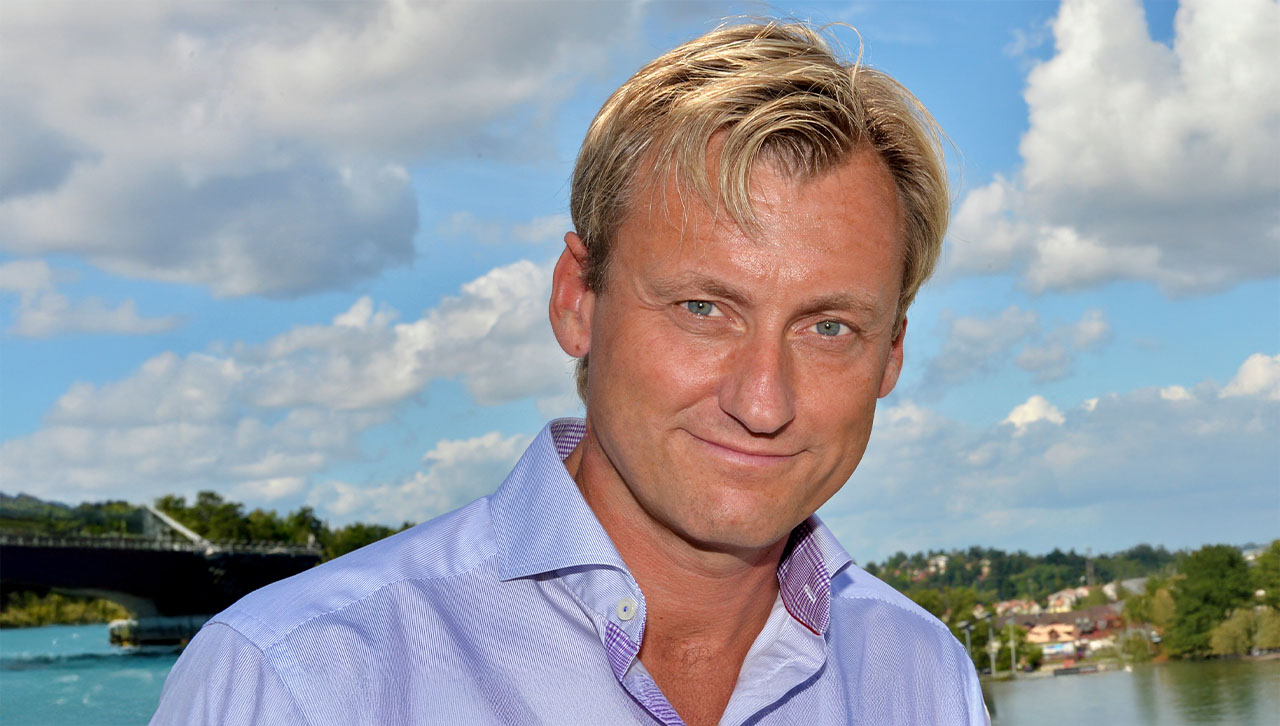














The Director of the Norwegian Gambling Authority (Lotteritilsynet), Atle Hamar, has told local media that the regulator is blocking 62 unlicensed sites, including Kalshi and Polymarket. They were issued notices of DNS blocking and have until 15 October to respond.
Hamar, interestingly, noted that some of these sites are "perfect for insider trading, and we don't want that." He was most likely referring to the prediction market duo.
He added: “Those with insider information will always win, while ordinary individuals in Norway generally won’t have access to such information.”
Earlier in August, while Lotteritilsynetwas still assessing whether operators like Polymarket constitute illegal gambling, Hamar raised concerns about young Norwegian users and urged parents to monitor engagement with prediction-market platforms.
The platform gained wider attention in Norway around the award of the 2025 Nobel Peace Prize to María Corina Machado. A sharp movement in the implied probability of her victory shortly before the announcement prompted speculation about whether information had leaked, although no cause was established.
Nevertheless, Polymarket is continuing its relentless pursuit of European market access. Indeed, in a recent development, the prediction market operator has announced that it will challenge the Dutch ban in place against it in court.
Over the summer, Polymarket also vowed to fight France’s gambling regulator's block in court. Recently, it commenced a lobbying campaign with European financial regulators to classify its contracts as financial products. The operator is seeking regulation as a financial services firm to avoid a fragmented set of gambling laws.
However, European regulators seem unwilling to budge. The key regulator, the European Securities and Markets Authority (ESMA), previously warned that prediction markets face heightened insider trading risk.
At the same time, prediction-market lobbying efforts have expanded into Asia, where fintech executives are calling for clearer regulations and arguing that regulators should treat the platforms as financial products rather than gambling.
In August, while initially considering a ban, Lotteritilsynet also raised the possibility of restricting payment processing