





















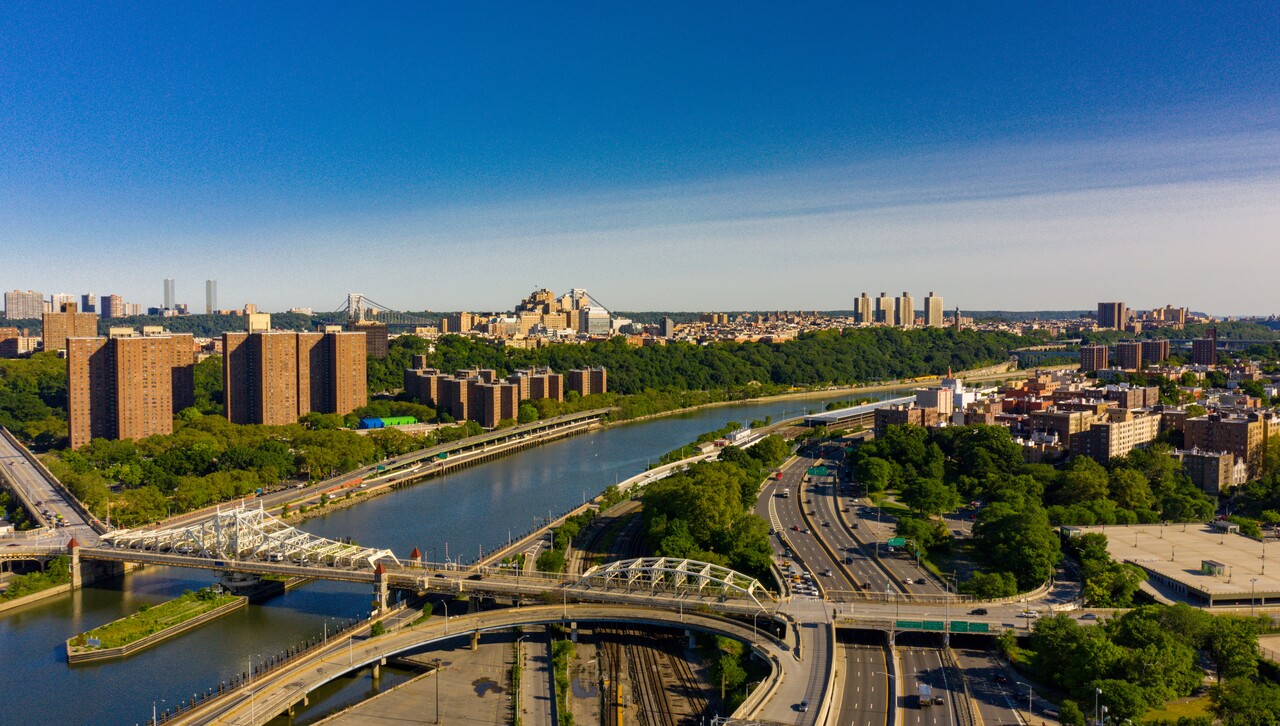
Bally’s Corporation has closed on its previously announced $560m term loan financing for the Bally’s Bronx casino resort project – scheduled to open by 2030 – carrying an estimated construction cost of $4bn.
Selected as one of three operators to receive a commercial gaming license in New York, Bally’s new casino destination is set to include three million sq ft of gaming facilities, a 500-room hotel, 2,000-person event center and 18-hole golf course.
According to Bally’s, $400m of the term loan financing will be used to pay certain pre-construction costs and expenditures associated with the development, while the additional $160m remains available for future draws.
In September, Bally’s Chairman Soo Kim addressed the financing, having said, "This important financing allows us to progress the pre-construction planning process so that we are ready to complete the remainder of the capital raise and remain on schedule.
“Furthermore, the additional liquidity provides us greater flexibility for other capital opportunities."
The term loan financing for Bally’s Bronx was led by private credit investment manager WhiteHawk Capital Partners, including Managing Partner Bob Louzan.
"We are pleased to partner with Bally's on this important next phase of the Bronx project,” Louzan said.
“This financing reflects our ability to structure flexible capital solutions for complex transactions and will support the project's pre-construction work as Bally's advances its broader financing plan."
At the end of 2025, the New York State Gaming Commission awarded three commercial gaming licenses to Bally’s, Hard Rock International and Resorts World.
On September 17, Global Gaming Insider analyzed which of Bally’s upcoming casino resort projects – New York, Chicago and Las Vegas – holds the most potential for the operator… as well as recent concerns regarding each property’s long-term perspectives.
Bally’s Chairman Soo Kim addressed shareholders and investors of the operator’s Chicago casino resort project to provide an update, calling out ‘misperceptions in the media’ over work stoppages