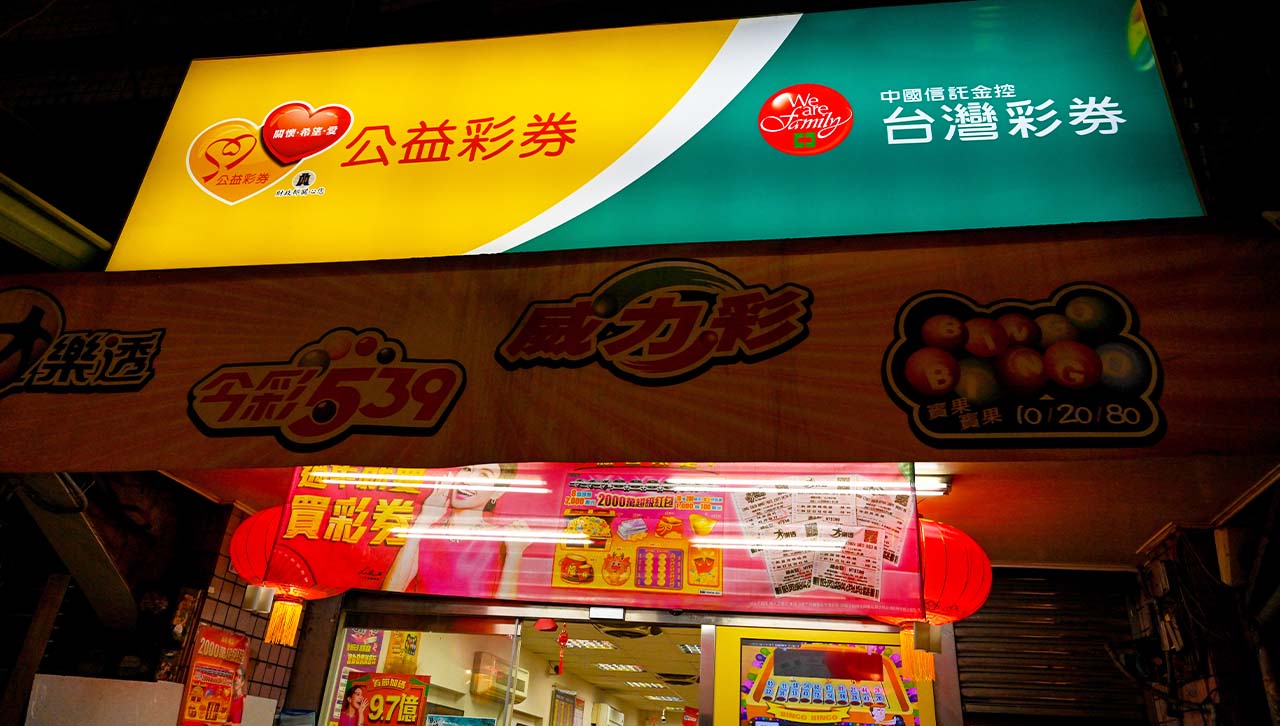
Taiwan's public welfare lottery recorded more than NT$147.7bn ($4.7bn) in settled sales through the end of September 2026, with proceeds continuing to fund social welfare programs and employment opportunities.
The National Treasury Administration said sales increased 5.9% from the same period in 2025, while the lottery generated a surplus of more than NT$31.8bn, representing year-over-year growth of 5.6%.
Under Taiwan's allocation system, lottery surplus is earmarked for social welfare purposes. More than NT$14.3bn generated during the period was allocated to subsidize the National Pension program, while over NT$1.5bn was directed to National Health Insurance reserves.
Local governments received more than NT$15.9bn to fund welfare programs covering children and young people, women, older residents, people with disabilities and individuals requiring social assistance.
The lottery also serves as an employment program for disadvantaged groups through its retailer selection system.
Eligible groups include people with disabilities, Indigenous people and members of low-income single-parent families. The Treasury Administration said the wider employment impact is greater when staff hired by retailers and jobs in lottery-related industries are also considered.
Since Taiwan's public welfare lottery was introduced at the end of 1999, cumulative surplus generated through September 2026 has reached more than NT$695.3bn.
Authorities said they will continue overseeing lottery operators and the development of the market, with future proceeds remaining focused on strengthening social welfare funding and supporting disadvantaged communities.
75,338 people were operating lottery retail businesses nationwide as of the end of September