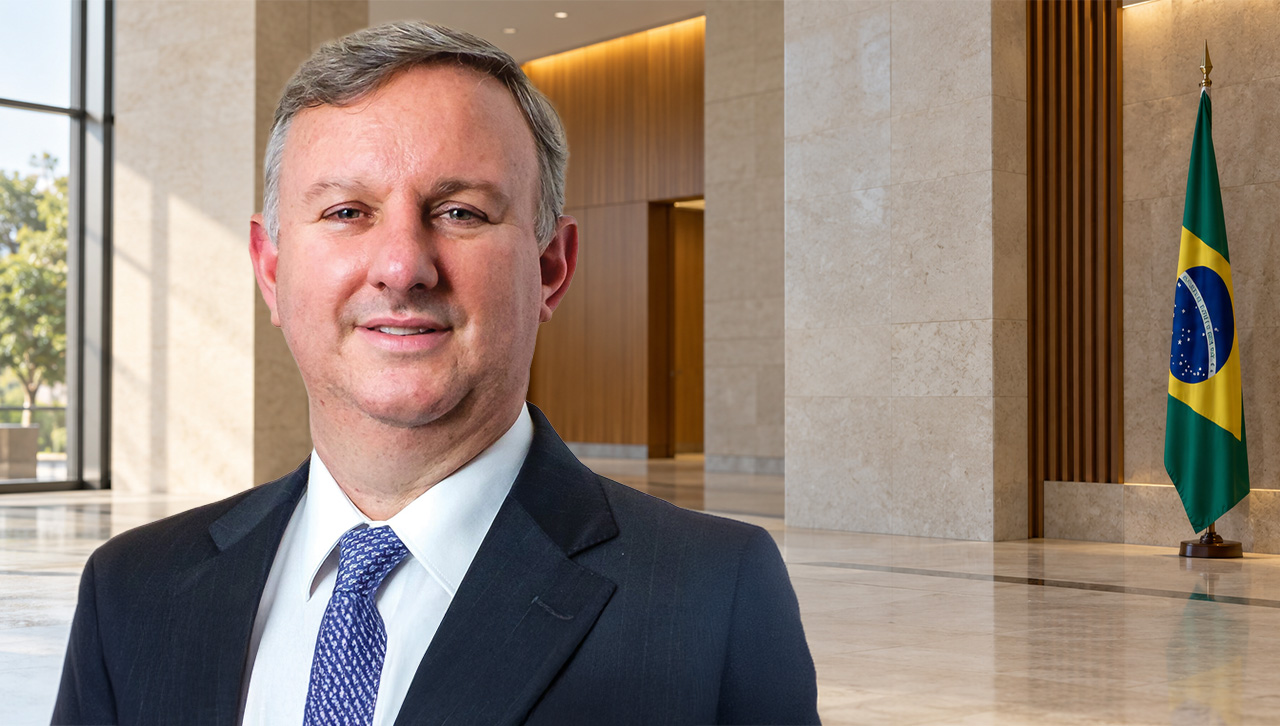
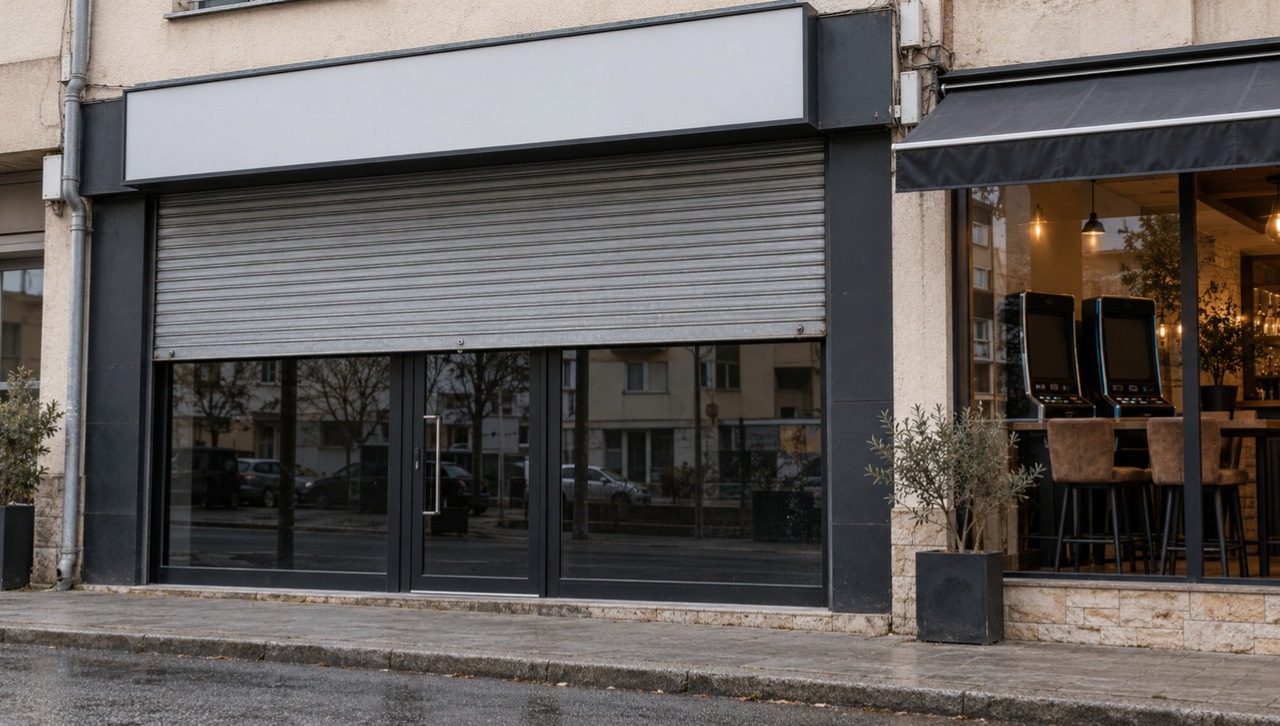
SNSD President Milorad Dodik has called on the Government of Republika Srpska to immediately ban opening new betting shops and installing gambling machines in hospitality venues. He also wants gambling advertising banned in the media and on social media.
Republika Srpska is one of Bosnia and Herzegovina’s two main entities, the other being the Federation of Bosnia and Herzegovina.
The SNSD is Republika Srpska's leading political party. Following the general elections held in October 2026, the party reaffirmed its dominant position.
In a video address on his X profile, Dodik said the proposed measures aim to protect the public interest while allowing those who want to gamble to continue.
Betting shop restrictions have repeatedly been proposed in Republika Srpska
This is not the first time calls have been made to restrict the presence of betting shops in Republika Srpska.
The mayor of Banja Luka, the entity’s largest city and de facto administrative centre, has repeatedly raised the issue and proposed several legislative measures to regulate the sector better and move betting shops away from schools. A petition was organised.
However, the SNSD previously rejected these proposals.
Over the summer, Banja Luka city officials renewed their push for stricter regulations to reduce the number of gambling venues near schools. They called for Republika Srpska-wide restrictions on opening new gambling establishments close to educational institutions.
In addition, officials proposed an extra fee of BAM 25,000 ($14,265) for betting shops. The issue has, for a while now, been a broader initiative across Bosnia and Herzegovina, where numerous municipalities have introduced higher local fees for betting operators, averaging around BAM 20,000 per location per year, along with fines for non-compliance.
These municipal fees are local government levies that betting operators pay to conduct business within a municipality.
Earlier this year, operator Mozzart Bet warned that the betting sector in the Federation of Bosnia and Herzegovina was already contracting significantly. According to the company, the number of betting shops fell from 1,930 to 1,602 over two years, a decrease of 328 locations or approximately 17%.
Gambling reforms across the Balkans put regional operators under growing pressure
Gambling laws have tightened across the Balkans recently, and Bosnia might be next. Neighbouring Croatia’s 2025 Gambling Act overhauled local regulations, with most changes taking effect at the beginning of 2026.
The Act introduced advertising restrictions, a national self-exclusion mechanism, tighter oversight and increased licence costs. Furthermore, it removed thousands of betting terminals from hospitality venues. This was in order to prevent minors from gambling via these terminals.
In late 2024, Serbia amended its gambling law to strengthen age verification, protect minors, introduce gambling addiction warnings and allow player self-exclusion. The amendments also tightened online gambling controls, increased penalties for violations and strengthened oversight of gambling venues.
Similarly, North Macedonia introduced a new Law on Games of Chance this year, with stricter requirements for gambling operators. The law requires gambling venues with gaming machines to be located at least 500 metres away from primary and secondary schools.
It also tightened advertising restrictions, increased fees and charges and placed new limits on operators’ acquired rights.
Meanwhile, strict regulations on land-based slot machines in Romania have severely impacted the industry. Addressing this issue, Global Gaming Insider interviewed Alexandru Domșa, President of the Federation of Gambling Operators in Romania (Fedbet).
In 2024, it was estimated that Bosnia and Herzegovina was the country with the highest number of registered betting shops per capita in Europe