
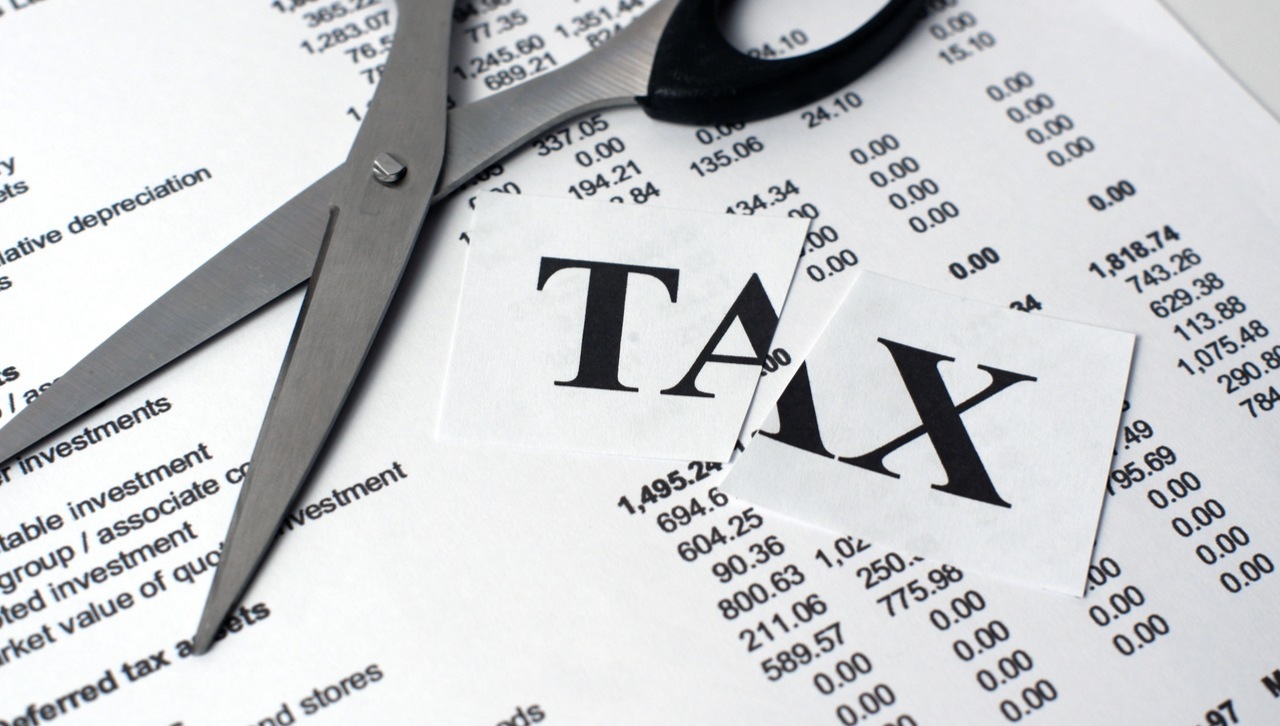
Estonia’s decision to reduce taxes on online gambling has so far failed to attract new gambling operators, while reducing Government revenue.
The Eesti 200 party’s hopes of attracting new gambling operators have not materialised, with only two licence applications submitted this year. The decrease in tax revenue is already causing challenges for the Cultural Endowment Foundation.
The Parliament adopted the 2026 state budget on 10 December 2025, with the changes taking effect on 1 January 2026. The amendments were intended to reduce the online gambling tax rate by 0.5 percentage points each year from 6% until it reached 4%.
However, already over the summer, first reports surfaced that the country is considering reversing a planned reduction in the online casino tax.
Now, Finance Minister Jürgen Ligi has acknowledged that the decision to cut the gambling tax was a mistake from the outset, but believes Parliament should take the initiative to correct the situation.
Ligi stated: “The Ministry of Finance actually forecast precisely what has now happened. But we must also ensure that certain rules are respected. One of them is that Government policy must be predictable. Another rule is that we should not put pressure on Parliament, which initially made one decision and may now choose to change it.”
At the same time, Head of the Cultural Endowment Margus Allikmaa proposed, at a minimum, halting further tax reductions scheduled over the next two years. He stated: “If, just two years ago, we expected the Cultural Endowment's budget to amount to around €53m, we now expect it to be €46–€47m in the coming year, 2027. The lion's share of this reduction is related to the decline in revenue from gambling taxes.”
Eventually, the tax rate could be returned to its original level.
Separately, a drafting error in the regulations unintentionally exempted online casinos from their tax obligations at the beginning of this year. Lawmakers subsequently amended the law to close the loophole, with the new provisions taking effect in early March. By mid-March, online gambling operators had voluntarily paid more than €1.4m in tax following the loophole.
The original policy aimed to make Estonia a more attractive hub for online gambling operators, similar to Malta