


























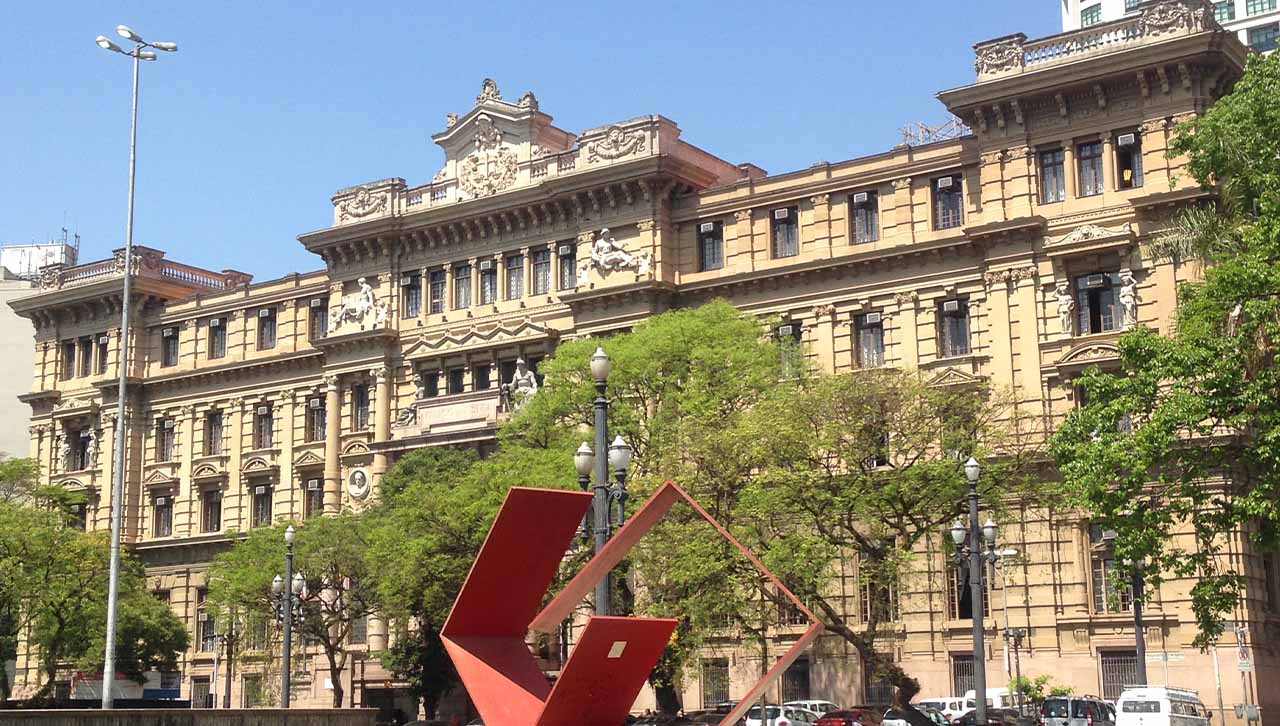
The São Paulo Court of Justice (TJ-SP) has created a specialized judicial structure to handle cases involving organized crime, with a particular focus on the use of illegal betting platforms for money laundering.
The new system will centralize investigations across three specialised criminal courts in the state capital, supported by a dedicated guarantees court responsible for precautionary measures during the investigative phase.
Speaking at the launch of the initiative, Supreme Federal Court (STF) President Edson Fachin said authorities are strengthening cooperation with Brazil’s Central Bank to develop mechanisms capable of disrupting the use of illegal betting platforms and cryptocurrencies for financial crimes.
According to Fachin, illegal betting has become an important component of organised criminal activity, serving as a vehicle for laundering proceeds linked to drug trafficking, smuggling, extortion and corruption.
“The relationship between organized crime and illegal betting is a relevant issue that highlights the need for stronger financial regulation,” he said, adding that many criminal organizations increasingly rely on companies established abroad to conceal illicit assets and fragment financial transactions, making investigations and asset recovery more difficult.
TJ-SP President Francisco Eduardo Loureiro said concentrating organized crime investigations within specialized courts would allow judges to build greater expertise in handling highly complex cases.
"It's very common for an operation in São Paulo to have ramifications, with diligences carried out in other states. That's why a national network is so important."
Recently, Brazil’s Supreme Federal Court (STF) scheduled a landmark hearing for 5 August to determine whether the country’s long-standing criminal prohibition on games of chance remains compatible with the 1988 Constitution.
São Paulo recently launched its state lottery operations through Dá Sorte Lotteries, beginning a concession expected to generate public revenue over the next 15 years