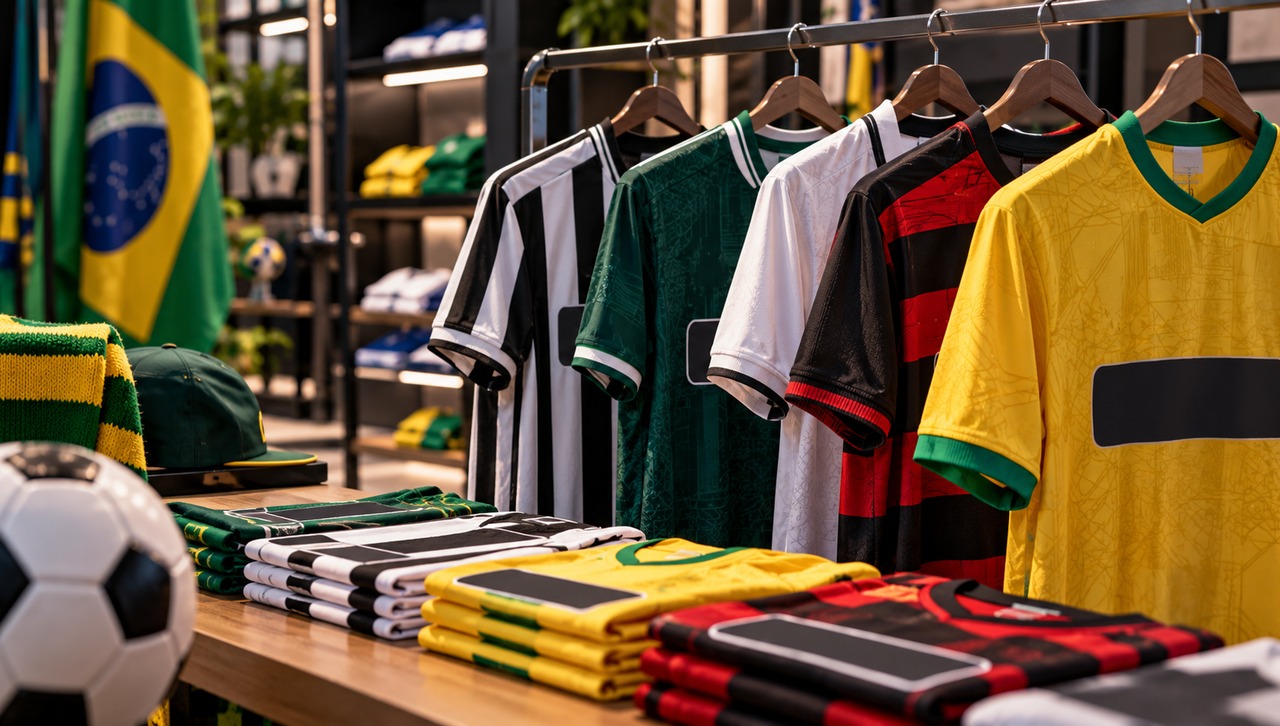
Brazil's Presidential Communications Secretariat (Secom) has clarified that selling football club jerseys already manufactured with betting operator branding doesn't, by itself, fall under the advertising and sponsorship ban in Provisional Measure 1,394/2026.
The position is set out in Technical Note 3/2026, signed by executive secretary Samara Mariana de Castro.
The note responds to a letter from ÁPICE, the sports industry and commerce association, which had urgently requested clarification on whether the ban covered existing jersey stock.
ÁPICE argued the merchandise was legitimately produced under rules in force at the time, while stating it wasn't contesting the betting ban itself or seeking a permanent exception.
According to Secom, what matters is the nature of the conduct at the point of sale.
The presence of a betting brand on a product made under the previous legal regime "does not, on its own, constitute a subsequent act of communication, advertising, marketing or sponsorship."
This applies specifically to jerseys produced before the new rules took effect and currently held in stock by manufacturers, distributors, retailers or other commercial outlets. The note classifies such branding as "legacy content" under article 17 of the measure, referring to content produced before the ban that carries betting advertising incidentally.
Still banned: new production of branded merchandise, advertising campaigns and promotional activations, boosted content or influencer use and any new compensation tied to brand exposure.
The analysis is limited strictly to jersey stock, Secom noted, and does not address uniforms worn in matches or training, stadium signage, broadcasts, social media content, or other sponsorship-linked exposure, with the absence of a ruling on those areas not implying any particular position.
The note also added that if a sale is used as a vehicle to promote or expand a betting brand's exposure, the matter would fall to relevant authorities for review