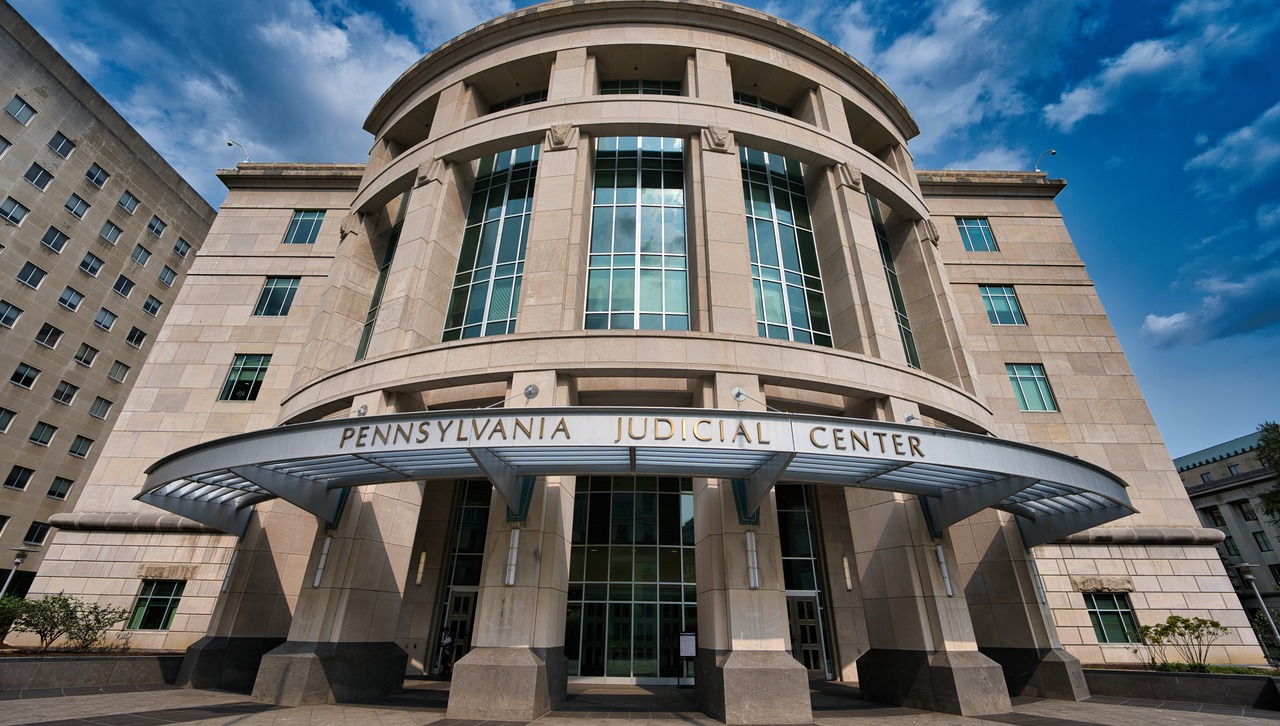
The Pennsylvania Supreme Court has denied an emergency request from three state lawmakers to extend the pause on its ruling that unlicensed skill-game devices are unlawful. Its one-page order, issued October 9, gives no explanation for the refusal.
State Sen. Gene Yaw, State Sen. Anthony H. Williams and State Rep. Jonathan Fritz asked the court to keep the stay in place until February 10, 2027. They argued that a further four months would allow legislators to negotiate a framework for legalizing, taxing and regulating the devices.
The petition concerned the court's June 15 decisions in litigation involving POM of Pennsylvania and three seized skill-game machines.
The justices held that devices incorporating skill can still qualify as slot machines under the Gaming Act and gambling devices under the Crimes Code.
They delayed enforcement for 120 days to allow businesses to adjust.
Pennsylvania State Police says the compliance period ends October 13. From October 14, possession or operation of such machines outside licensed casinos and qualifying truck stops may trigger seizure, forfeiture and, where appropriate, criminal charges.
Simply switching off or unplugging a usable terminal does not meet its removal guidance.
Attorney General Dave Sunday's office opposed the lawmakers' application. According to the Philadelphia Inquirer, it argued that the petition came too late and that the legislators lacked standing to seek a further stay. The court did not adopt any stated reason in its order.
The ruling leaves a legislative route open. The General Assembly can change the statutory treatment of skill games, but it had not passed a replacement framework before the court ruled.
A House proposal for a temporary transition period was referred to the Gaming Oversight Committee in September and has not received a vote.
The stakes extend beyond the applicants. Sunday's office estimates that about 70,000 skill-game machines operate statewide, including in bars, convenience stores and social clubs. Governor Josh Shapiro's budget proposal also sought to regulate and tax the devices, reflecting the revenue question that lawmakers have yet to settle.
In an October 1 order, the Supreme Court also sent casino operators' and the Pennsylvania Gaming Control Board's intervention bids back to a lower court for reconsideration, keeping a separate branch of the skill-game litigation active.
Justice Dougherty did not participate in the October 9 decision, according to the court's order