AI Summary
Sign in to listen

Brazil: Regulator faces legal scrutiny from IBDR

Brazil's Institute of Regulatory Law warns that a new provisional measure could undermine the country's young betting framework.

1 min read
Challange-order
Key Points
MP 1.394/2026 would terminate existing betting authorisations within 30 days and disable betting systems within 10 days
The measure would also prohibit betting advertising, marketing and sponsorships while denying operators reimbursement for licence fees or compensation
IBDR warned that demand could migrate to illegal platforms, taking consumers outside regulated protection and monitoring systems

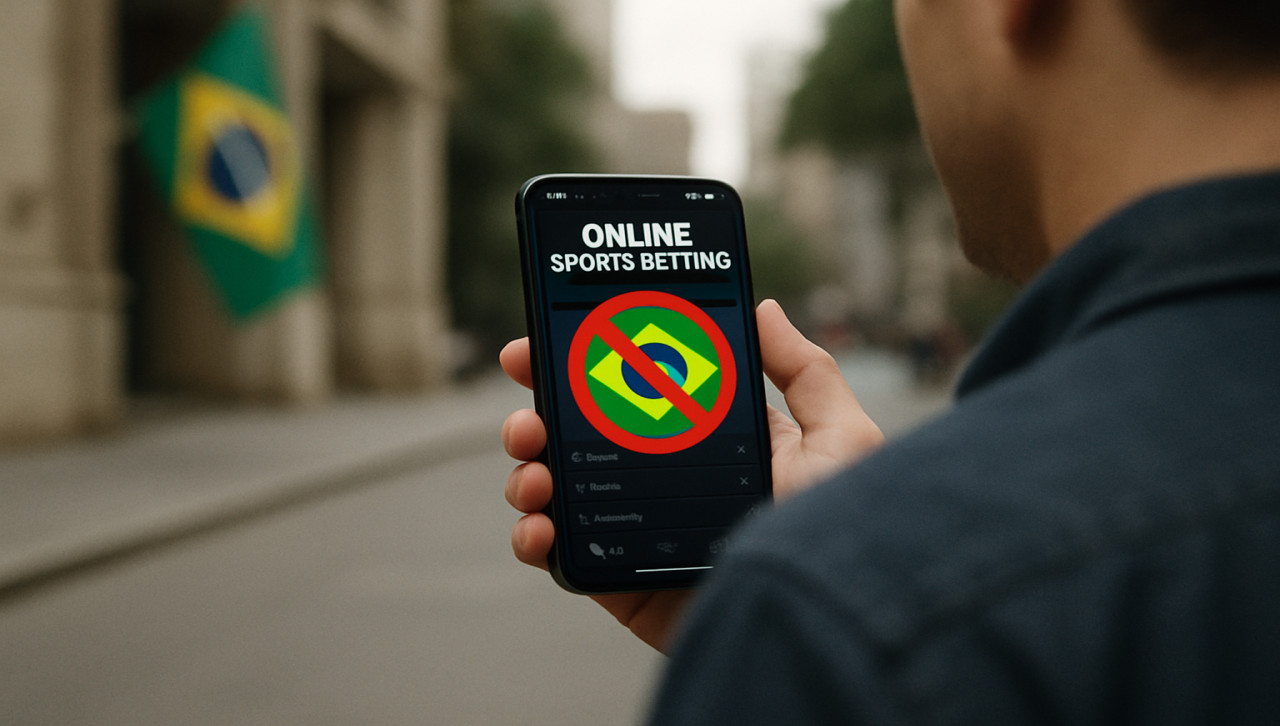
Brazil's Brazilian Institute of Regulatory Law (IBDRE) has criticised Provisional Measure 1.394/2026.

The institute argues that it marks a sharp departure from the framework built around fixed-odds betting. This comes as industry groups have separately taken their challenge to Brazil's Supreme Court. 

The institute noted that Brazil has spent the past few years bringing a largely unregulated market into the fold. Under Law 14.790/2023 and subsequent Ministry of Finance rules, licensed operators must meet requirements on authorisation, taxation, player identification, responsible gambling, anti-money laundering, sports integrity and reporting.

The new measure would end existing authorisations, concessions and permissions within 30 days, and take betting systems offline within 10. 

It would also ban betting advertising, marketing and sponsorships, and operators would receive neither a refund of licence fees nor any compensation from the government.

IBDRE said the pace and scale of the change raises questions over legal certainty, legitimate expectations and proportionality. Operators were granted five-year federal licences after paying BR30m in fees, and many have invested heavily in technology, compliance, staff and commercial infrastructure.

Consumer protection is another concern. The regulated market has brought in tools such as SIGAP (System of Management for Bets), player identification, centralised self-exclusion, transaction traceability and anti-money laundering monitoring. 

According to IBDRE, more than one million Brazilians had used the centralised self-exclusion mechanism on licensed platforms by September 2026.

If demand for betting continues once licensed platforms close, the institute warned, some consumers may turn to offshore or clandestine operators, where none of those safeguards apply.

Good to know

415 new unlicensed betting sites appeared in Brazil within two days of the provisional measure banning fixed-odds betting and casino games


Reaction Board

Set Global Gaming Insider to be your preferred search result

News Analysis

View All
A slap in the face - Industry reacts

“A slap in the face” – Gambling industry reacts to Brazil ban

From regulatory experts to CEOs, the sector’s verdict is in: President Lula's ban on online gambling and sports betting will create a litany of problems for the country.

4 min read • • By Patrick Fasolis
brazil sports

Brazil betting ban: Why the industry must learn lessons on a global scale

While many in our industry described an online gambling ban as an impossibility in Brazil, public fervor and national media coverage suggested it was likely all along. The sector must now acknowledge it has played this one all wrong.

7 min read • • By Tim Poole
slotegrator-analysis

Beyond the turnkey model: Slotegrator on the future of online casino

Global Gambling Insider speaks with Slotegrator CPO Alexandra Mouton to find out more about modern platform software and how operators can truly differentiate themselves in an increasingly competitive marketplace.

5 min read • • By Will Underwood

In The News

View All
suspend-ad-rules
[ELEVATED IMPORTANCE]

Brazil: National Council for Advertising suspends betting ad rules

A new Government measure has halted betting advertising and sponsorship, and Conar, the industry's self-regulator, says its betting-specific rules are now effectively impaired. 

· Legal & Regulatory + 3