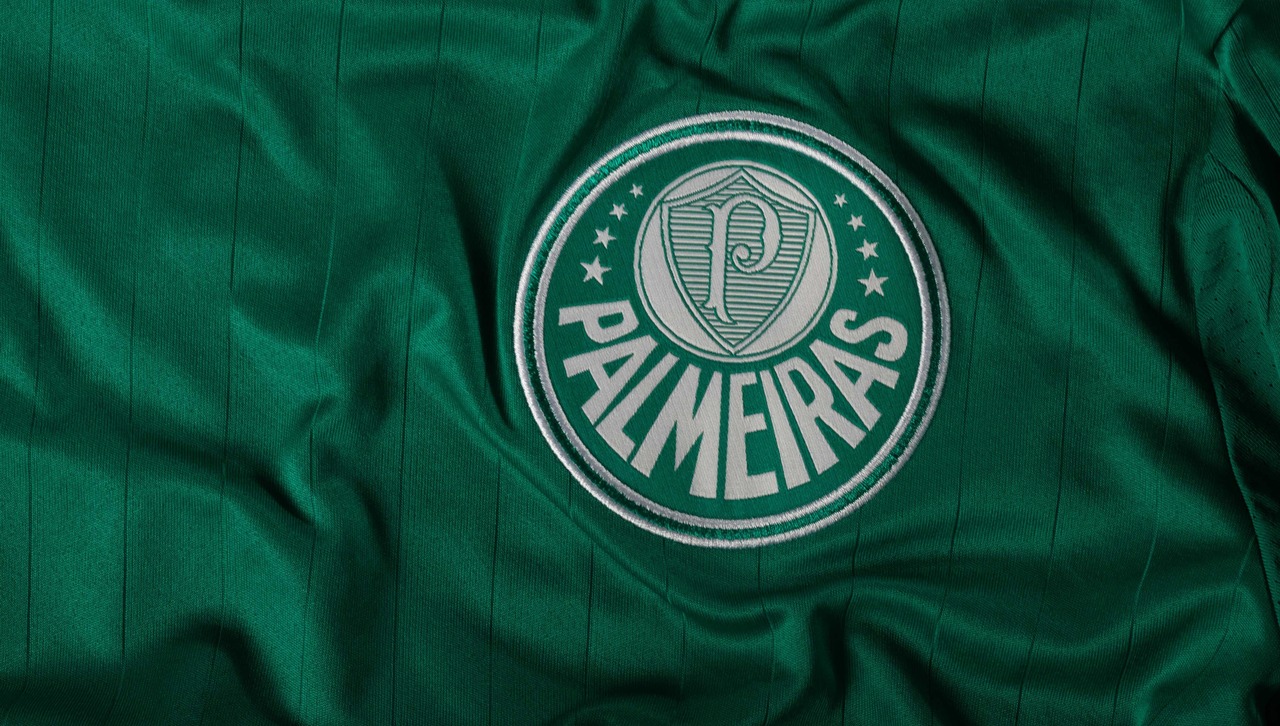
Palmeiras will leave its main shirt sponsorship vacant rather than bring in temporary partners to replace Sportingbet, following Brazil’s ban on fixed-odds betting advertising.
Club president Leila Pereira said the decision would remain in place while Provisional Measure 1,394/2026 is in force.
Palmeiras trained without Sportingbet’s logo after the restrictions took effect, although Pereira confirmed the club had already received the payments agreed for the current season.
The sponsorship agreement began in January 2025 and runs until December 2027. Pereira argued that existing contracts should be respected, despite the abrupt introduction of the government’s measure.
“It was a very abrupt decision by the Government; we had contracts in progress. It caught all the clubs by surprise, and the amount is extremely significant,” Pereira said in an interview. “Contracts need to be fulfilled, also for the sake of our credibility.”
She said Palmeiras would not pursue short-term sponsorships in the vacant space. If the ban remains in place, the club will discuss how to end the agreement amicably and professionally.
The decision contrasts with other Brazilian clubs that have sought temporary commercial partners to replace betting brands. Corinthians, for example, featured Shopee on its shirt in the space previously occupied by Esportes da Sorte during the Derby against Palmeiras.
Palmeiras is among the clubs that have publicly opposed the prohibition.
The three main São Paulo clubs together receive an estimated BR350m ($68.6m) annually in fixed revenue from their main shirt sponsorships, illustrating the scale of the commercial exposure.
Congressman and former Flamengo Vice-President Marcos Braz has submitted six amendments to the provisional measure, including a proposal to give football clubs up to two years to transition away from betting sponsorships.
Fourteen of Brazil’s 20 Série A clubs had betting companies as their main shirt sponsors, with those deals generating more than BR1bn in 2025, equivalent to around 34% of the clubs’ commercial revenue