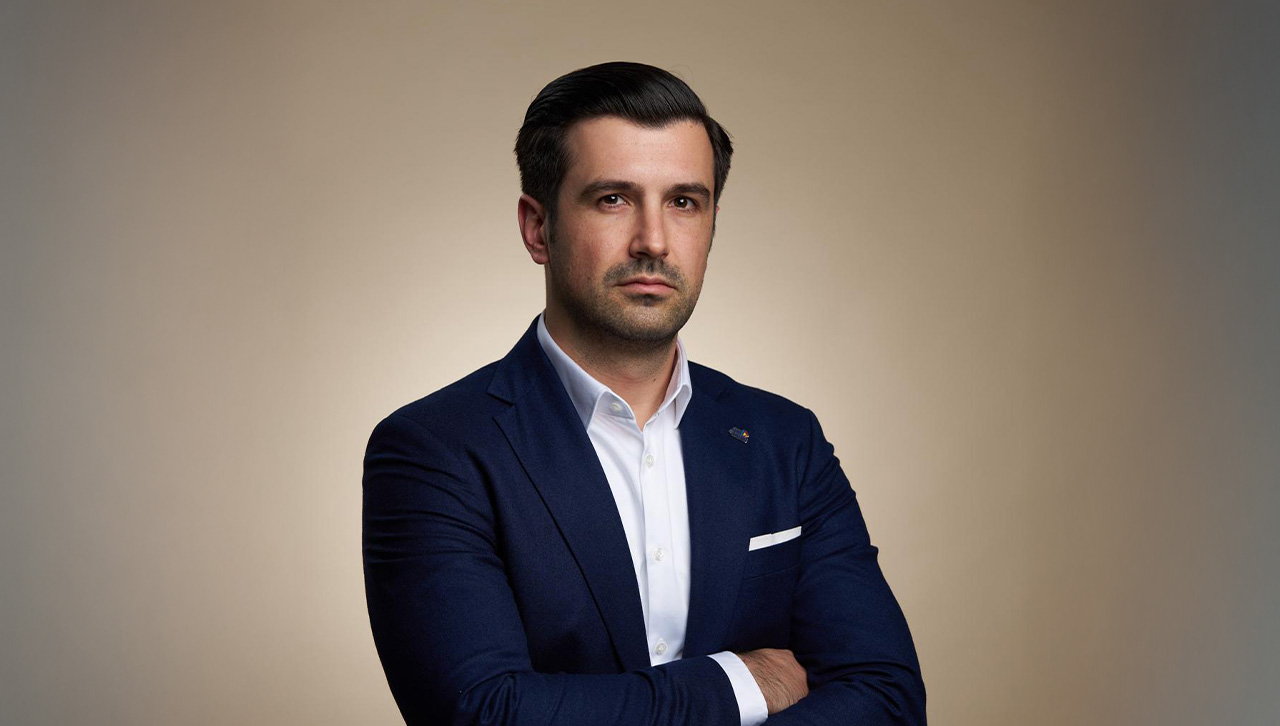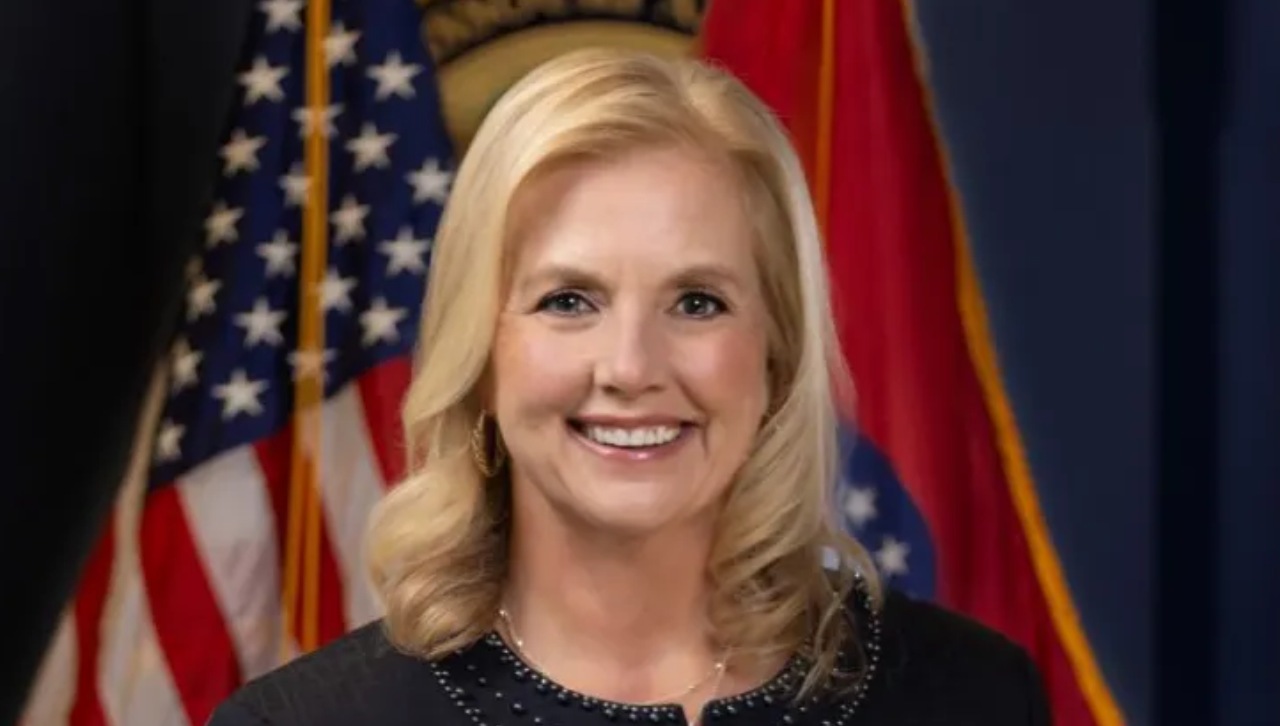


Christian Genetski is stepping into one of the most important leadership roles in global gaming.
Following the departure of Amy Howe, Flutter Entertainment has handed control of FanDuel to an executive who helped build the company’s regulatory and commercial foundations during the rise of US sports betting.
The timing, however, is significant.
FanDuel still leads the US online betting market, but the environment around it has changed dramatically over the last 12 months. Flutter’s share price has fallen sharply from its 2025 highs, customer growth has slowed and prediction markets have created a fresh competitive threat that few operators fully anticipated.
Against that backdrop, Genetski inherits a company that remains dominant – but suddenly looks under pressure.
1. Winning the prediction markets battle (easier said than done...)
Prediction markets will almost certainly define Genetski’s early tenure.
Kalshi and Polymarket have rapidly emerged as major disruptors, attracting investor enthusiasm and mainstream attention while raising concerns over the future growth trajectory of traditional sportsbooks.
Flutter has already responded by launching FanDuel Predicts, but FanDuel is entering a market where rivals currently hold the momentum.
Genetski’s legal and regulatory background makes him an obvious choice to lead this next phase. As FanDuel’s former Chief Legal Officer, he helped navigate the DFS regulatory battles and post-PASPA expansion that created the modern US betting landscape.
That experience will now become critical again.
Prediction markets remain legally uncertain, with regulators and lawmakers still debating whether event contracts should be treated as financial products, gambling or something entirely different.
FanDuel therefore faces two immediate challenges: making FanDuel Predicts commercially relevant quickly enough to compete with Kalshi and Polymarket, while also avoiding major regulatory fallout.
Flutter executives have already stressed they want to remain disciplined with spending in the sector. Genetski must now decide how aggressive FanDuel should become.
Genetski's task is not simply protecting the FanDuel position; it is ensuring the company remains the leader in whatever the next era of American gaming ultimately becomes
2. Reigniting customer growth
While FanDuel remains America’s largest sportsbook, recent numbers suggest growth is becoming harder to maintain.
Flutter’s Q1 2026 results showed average monthly players declining both globally and within the US market, while FanDuel’s sportsbook handle fell 9% year-over-year.
Revenue still increased and FanDuel remains highly profitable, but the slowdown matters for a company that spent years posting relentless growth.
Flutter CEO Peter Jackson recently admitted FanDuel had fallen behind competitors in areas such as customer loyalty.
That leaves Genetski facing one of his biggest commercial tests.
FanDuel can no longer rely purely on first-mover advantage. Customer acquisition costs remain high, bettors are increasingly price-sensitive and switching between platforms has become easier than ever.
The company also faces growing pressure to evolve into a broader entertainment ecosystem.
DraftKings has already launched its “Super App” integrating sportsbook, casino, lottery and prediction products into one platform. FanDuel has responded with its own “One App” strategy, launched in April 2026, which dynamically offers sportsbook products in regulated betting states and prediction markets in non-sportsbook jurisdictions.
The initiative highlights how FanDuel is increasingly trying to position itself as a nationwide sports-entertainment platform rather than simply a sportsbook operator.
For Genetski, ensuring that this ecosystem strategy actually drives engagement and retention will be critical.
3. Balancing cost-cutting with innovation
FanDuel’s recent decisions suggest a company becoming far more selective about where it spends.
The operator has shut down FanDuel Picks less than a year after launch, while FanDuel TV operations are now being phased out entirely.
Officially, Flutter described both decisions as resource reallocations toward areas with stronger long-term potential. In reality, the moves reflect the difficult balancing act FanDuel now faces.
The company still needs to innovate aggressively to maintain leadership, particularly with prediction markets and iGaming evolving rapidly. At the same time, investors are demanding stronger profitability after Flutter’s earnings volatility and declining share price.
Spend too aggressively on emerging verticals and investors may become even more cautious. Move too slowly and FanDuel risks losing ground to newer challengers.
There is also the question of how closely FanDuel will now operate alongside Flutter’s wider leadership structure. Alongside Genetski’s appointment, Flutter International CEO Dan Taylor has moved into the newly created Flutter President role, suggesting tighter strategic integration between FanDuel and Flutter headquarters.
That could help accelerate decision-making and product alignment across international and US operations, particularly around prediction markets and cross-vertical strategy. However, it also increases pressure on FanDuel’s leadership to deliver results quickly.
This tension between growth and financial discipline may ultimately define Genetski’s tenure.
4. Unlocking iGaming and poker growth
While sports betting dominates headlines, iGaming may be FanDuel’s most important long-term growth opportunity.
FanDuel’s iGaming revenue rose 19% year-over-year during Q1 2026, significantly outpacing sportsbook growth.
The problem is that online casino legislation remains limited across the US. This creates another major priority for Genetski: expanding market access.
His relationships with lawmakers and regulators could prove invaluable here as FanDuel continues lobbying for broader online gaming legalization.
At the same time, the PokerStars migration presents both opportunity and risk.
Integrating PokerStars into the FanDuel ecosystem creates huge cross-sell potential and could help drive a new era of online poker liquidity in the US. However, poker communities are notoriously resistant to change.
FanDuel therefore faces the difficult task of modernizing and scaling online poker without alienating PokerStars’ loyal player base.
FanDuel therefore faces two immediate challenges: making FanDuel Predicts commercially relevant quickly enough to compete with Kalshi and Polymarket, while also avoiding major regulatory fallout
5. Managing regulatory and reputational pressure
As online betting expands across the US, political and legal scrutiny surrounding the industry continues intensifying.
Recent lawsuits against FanDuel and DraftKings regarding microbetting and addiction concerns are only part of a wider shift in public discourse.
At the same time, prediction markets are creating additional political sensitivities, particularly around wagering on elections, wars and other controversial events.
Amy Howe spent much of her tenure positioning FanDuel as one of the industry’s more responsible operators.
Genetski must now preserve that reputation while simultaneously pushing FanDuel into more aggressive growth areas.
Fortunately for Flutter, regulatory navigation is arguably his greatest strength. His career has been built around working with lawmakers, shaping policy frameworks and managing legal complexity.
The challenge now is applying those skills during one of the most uncertain periods the US betting industry has faced since legalization began.
FanDuel may still sit on top of the US sports betting market, but the landscape underneath it is shifting rapidly.
Genetski’s task is not simply protecting FanDuel’s position; it is ensuring the company remains the leader in whatever the next era of American gaming ultimately becomes.
Genetski joined FanDuel in 2015 and played a key role in helping legalize and regulate Daily Fantasy Sports across more than 20 US states, before leading the operator’s post-PASPA expansion strategy