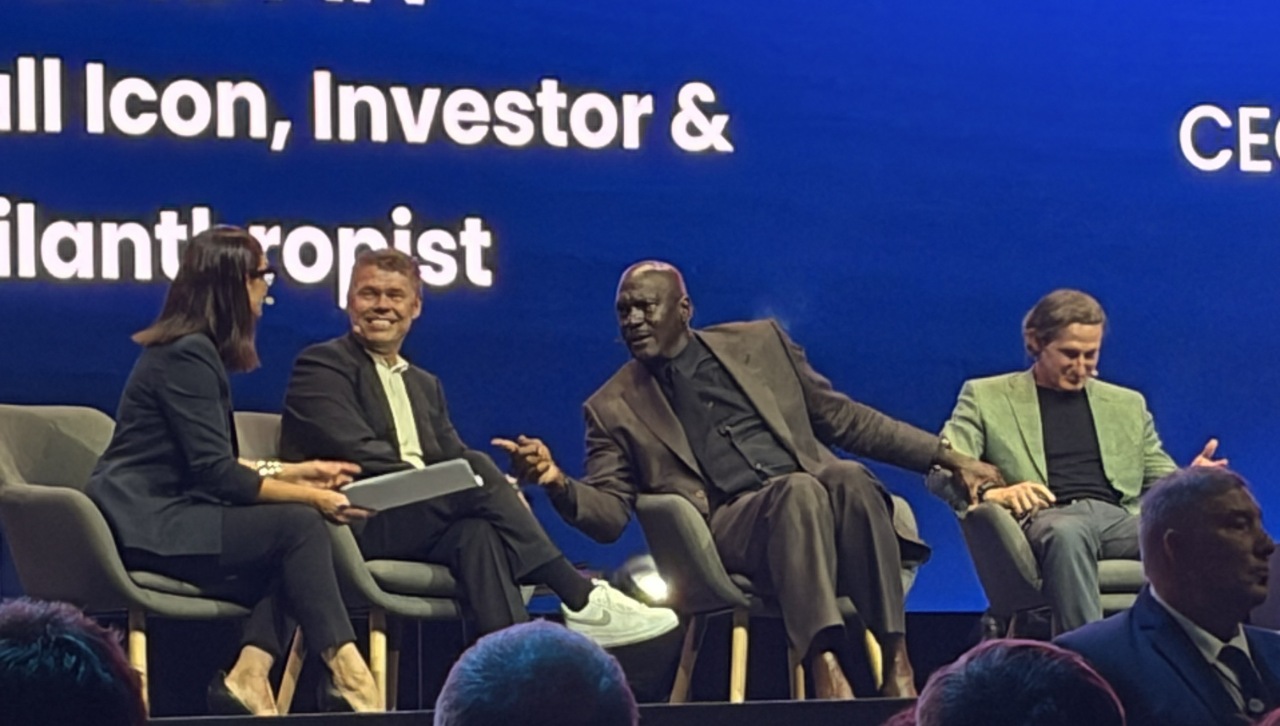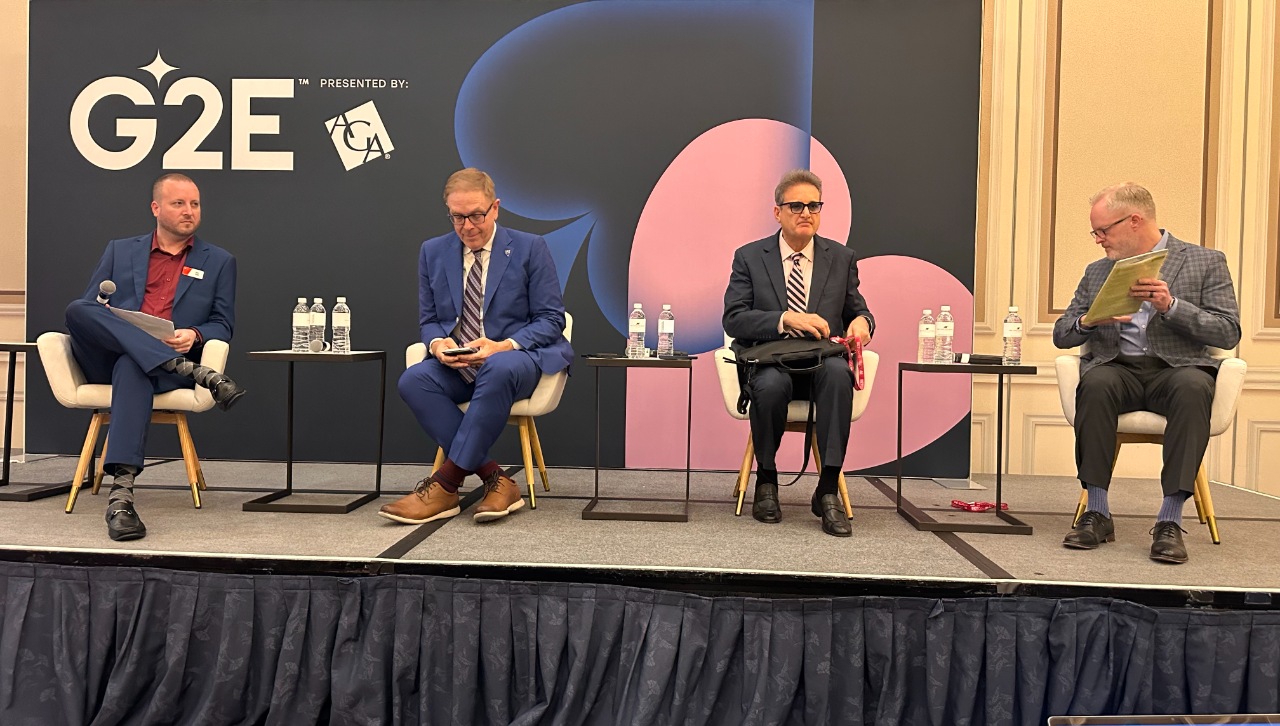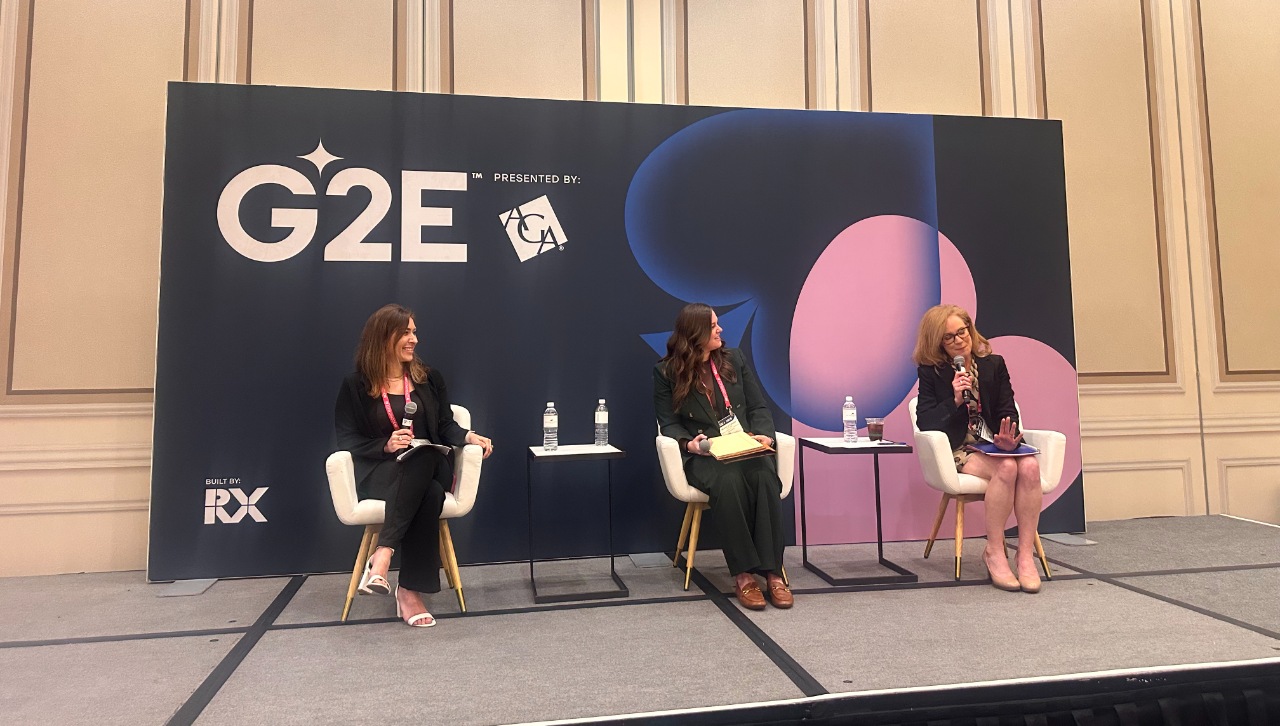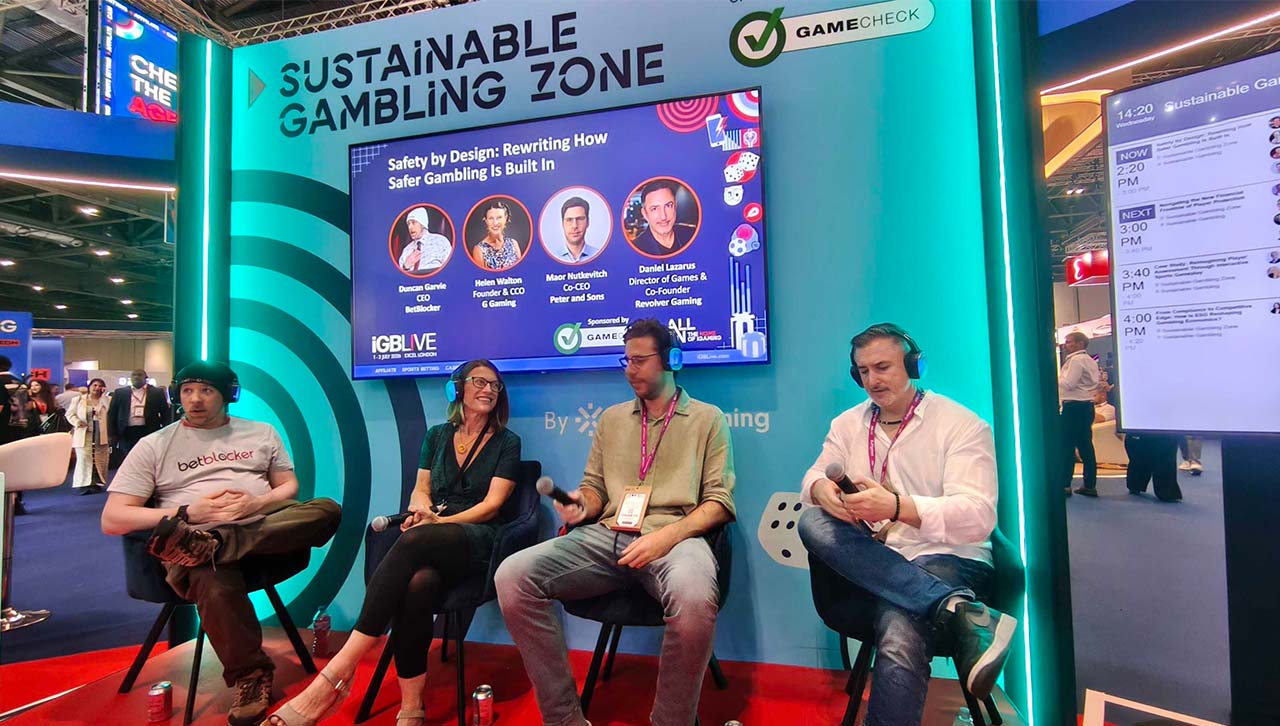
The Safety by Design panel was hosted by Duncan Garvie, BetBlocker CEO; and featured Helen Walton, G Gaming Founder and CCO; Maor Nutkevitch, Peter and Sons Co-CEO; and Daniel Lazarus, Revolver Gaming Co-Founder and Director of Games.
It began by discussing the fine line suppliers and providers need to tread, between creating better and more innovative products, and safer ones.
On looking back on how his company has grown and thrived over the past few years, Lazarus said it was a “proud moment for us to get a UK licence,” as it reflected the level of safety built into the company’s operations.
Nutkevitch followed up with his own reflections, this time on how a game made for New Jersey or Ontario will not work in the UK or Germany. In order to cater to a different audience, the game essence needs to be different, too.
This is also due to the regulatory differences. For example, in the UK and Germany, there are minimum times that need to occur between spins.
“We don’t want to get fined,” Nutkevitch explained. “A few weeks ago, Stakelogic got fined.”
Walton was fairly upfront on how G Games approaches compliance. #HelenGoesToJail is a running joke within the company that keeps the idea fresh and present that there are real-world consequences to the decisions that are made.
“It’s like taking out the bins,” she laughed, following up that compliance is the one thing no-one seems to want to do.
Making games for different markets
Nutkevitch said that making one game and expecting it to launch in different markets “doesn’t always work.”
He explained that in the UK, there are five seconds in between spin times. This means that customers need to be engaged between these spins, either through visuals or animations, etc.
Also, in some markets, Buy Bonuses account for 70% of all winnings – but in the UK, they are not a legal feature. They cannot be used at all.
“We’re not Pragmatic Play yet,” Nutkevitch joked. As for how the company dominates so many markets without changing their games to balance out missing or restricted features: “I don’t know how they do it.”
But making bespoke games for different markets is an expensive and unforgiving expectation.
Lazarus commented: “This requires creativity and craft.”
This is because the demographics of players are changing alongside regulations. A new game design will likely go towards a new audience.
Germany
Germany was a key topic of discussion for the panel, mainly because of the strict measures in place.
Walton summed it up succinctly: “You may as well just mug someone in the street in Germany.”
But the operators in Germany are trying to offset the strict regulations. While Stake offers suppliers a 10% revenue share, German operators are now offering suppliers a greater revenue share than normal if they do not distribute their games to the black market.
How to improve the industry?
Lazarus brought up the topic of introducing a Safer by Design certificate or category for games that would let customers know that they were created specifically with player safety in mind.
Walton, however, vehemently disagreed.
She explained that there are very few games that customers keep coming back to. Platforms and online casino brands, yes, but not the titles.
“The metrics that matter are the GGR, the spins, the average play time,” she continued. “Safety by design has no lifetime value.”
Walton also raised an interesting point. Operators make lifetime value from players, but suppliers do not. Most suppliers make their money in the few days that operators give them position on the homepage.
Players are looking for the most interesting games, not necessarily the safest ones.
She also touched upon in-house suppliers and explained that if the operators themselves truly cared about safer designs, then they would be pushing this in their proprietary titles. But they are not. “And this speaks volumes.”
The Netherlands has seen tax amounts continuously fall since they increased the tax rates