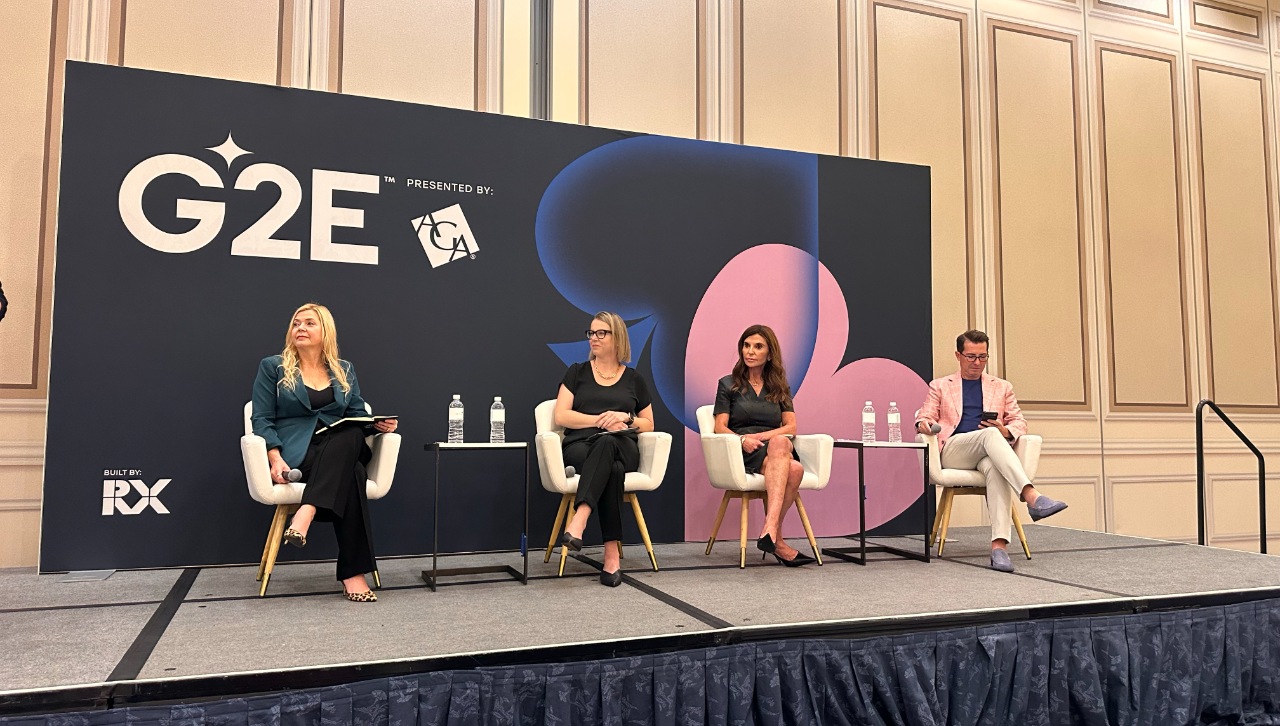

The Future of Taxation, Channelisation and Sustainable Market Growth panel at the iGaming Africa Summit, held during iGB Live in London, explored some of the most pressing issues facing Africa's regulated gambling industry.
Panellists urge policymakers to create a favourable regulatory environment
Speakers stressed that protecting licensed operators should become a regulatory priority through stronger illegal market action, favourable regulation and consumer education.
Typical enforcement measures against the illegal market remain essential. However, panellists acknowledged that supply-side interventions alone are unlikely to solve the problem.
Instead, several speakers argued that regulators must also focus on demand-side policies by creating attractive, competitive regulated markets that encourage consumers to remain within the licensed sector.
Balanced tax policy highlighted as critical to market stability
"Tax is the key," said Dan Thomson, Chief Commercial Officer at PawaTech, noting that while many African governments are under increasing fiscal pressure, the gambling industry has significant growth potential over the next two decades.
Operators are willing to contribute through taxation, he said, but if tax rates become unsustainably high, they may choose to exit the market altogether.
Africa was described as a rapidly transforming and expanding region, driven by improving broadband connectivity and favourable demographic trends
Frequent regulatory changes and tight deadlines seen as a challenge
Thomson urged governments to avoid frequent regulatory changes. He noted that operators are sometimes given only a few days' notice to implement new compliance requirements.
For example, they may receive notification on a Friday that integration with a new payment system must be completed by Monday, creating unnecessary operational challenges for compliant businesses.
Fragmented policymaking remains a barrier
Africa was described as a rapidly transforming and expanding region, driven by improving broadband connectivity and favourable demographic trends. Operators are ready to invest in local markets, create jobs and deploy significant capital, but only if the regulatory environment remains stable and predictable.
However, panellists warned that gambling regulators often learn about tax increases at the same time as the rest of the industry. Because tax policy is typically determined by revenue authorities and ministries of finance, they stressed that these stakeholders must cooperate more closely with gambling regulators to develop sustainable regulatory frameworks.
Kenyan authorities recently intensified a nationwide crackdown on illegal gambling, deploying multi-agency enforcement teams