The UK horseracing scene is currently undergoing an equine influenza outbreak that is threatening thoroughbred herds around the country. Some races have been cancelled, while other racecourses are introducing biosecurity measures to reduce the risk of the disease spreading.
The EU is also under siege from one of the worst heatwaves in European history. Both London and Paris are recording temperatures above 40 degrees. In response, several meets have been cancelled altogether to protect the health of the horses.
Perhaps, most importantly, activities such as petting farms and pony rides as part of the family fun day entertainment have been cancelled!
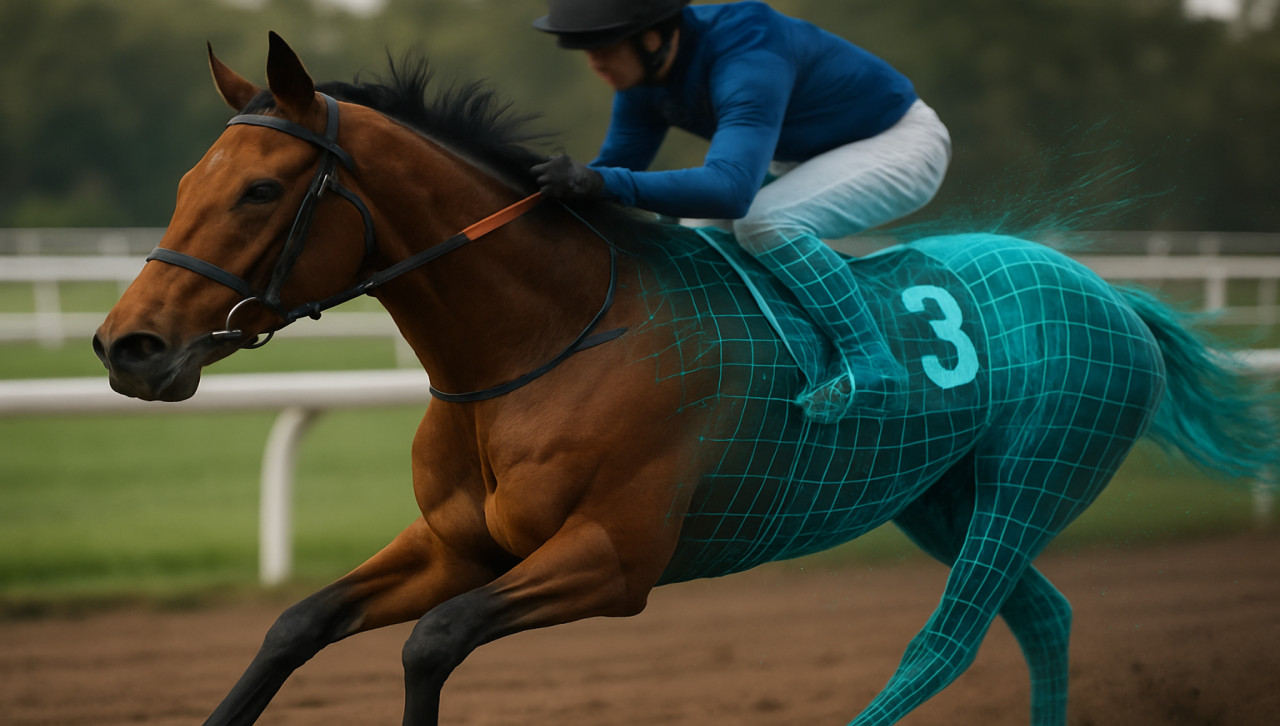
But, on a serious note, when the industry is facing a crisis that threatens the welfare of its animals, could this be the opportunity to integrate digital and online races into the experience?
Can we draw inspiration from the Covid-19 pandemic?
The infamous year of the global pandemic, 2020, can serve as inspiration for any such scenarios – which are always likely to be smaller in scale than Covid-19.
That year, the Virtual Grand National was watched by millions across the nation to replace the UK's biggest individual race on the calendar.
The Betting & Gaming Council also donated all profits to the NHS, raising £2.9m ($3.8m). This was the first time virtual sports were rolled out on a national scale. It received plenty of engagement – but, looking back, there was so little competition with the normal world effectively shut down.
That gives us less of a conclusion into how effective this would be on a consistent basis. But there was an audience for it.
Would virtual horseracing have to adapt?
If event organisers are going to offer virtual horseracing events consistently when live races are cancelled, there would have to be some changes to how the product is offered.
As weather patterns continue to fluctuate wildly, not just in the UK but around the world, this could create a perfect boost for virtual products
Recent studies have found that 82% of the British public (we must presume this is a very general public, not specifically a betting group) ignore any statistics when choosing their horse to bet on, and instead wager on the one that makes them laugh. While this is obviously a majority, studios would have to be careful of the remaining 18% that choose their horses due to their likelihood to win or past racing history.
For those who want to study form and data, operators may have to lean more into historical horseracing, which is popular in the US. This form of virtual racing is based on past data but hides the names of horses to keep the virtual/anonymous factor.
How to integrate real-life horseracing with virtual races
Nevertheless, there would still have to be some effort to substitute the expected race day experience with a virtual one.
This could be as simple as rendering a (somewhat) accurate depiction of the racecourse or including the horses by name and colour.
However, the largest hurdle would be creating a similar social atmosphere that would be found at the racecourse. For many, experiencing the races together with friends is what ‘makes’ it appealing, so operators would have to find a way to make friends feel like they are still at the race together.
This could be as simple as offering private digital rooms where people can see which horses their friends have bet on through the UI, as well as announcing which friend ‘won’ at the end of each race.
Could virtuals replace real-life horseracing?
Under normal circumstances, virtual horseracing is likely never going to come close to generating the same level of revenue as real-life horseracing, let alone eclipse it. The social aspect is the horseracing experience, and too much would be lost by transitioning to an iGaming equivalent.
But then an argument could be made for land-based casinos and the transition to iGaming. While not everyone visits racecourses to gamble, they instead go to socialise and have a fun day out with friends; the same can be said for many casual casino goers, too.
As weather patterns continue to fluctuate wildly, not just in the UK but around the world, this could create a perfect boost for virtual products. Virtual horseracing could find a niche in supporting the industry in times when meets are cancelled. While a digital experience would not be the same as visiting the course in person, digital substitutes could still be a way to connect with the customer when a physical visit is not possible.
There are also plenty of accessibility arguments for this, too, but that is a discussion for another day.
Earlier this month, Logifuture partnered with Betika to launch its 24/7 virtual football product in Kenya